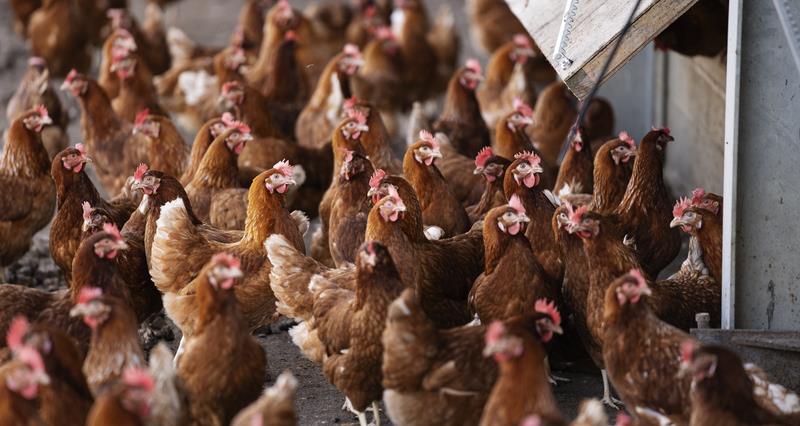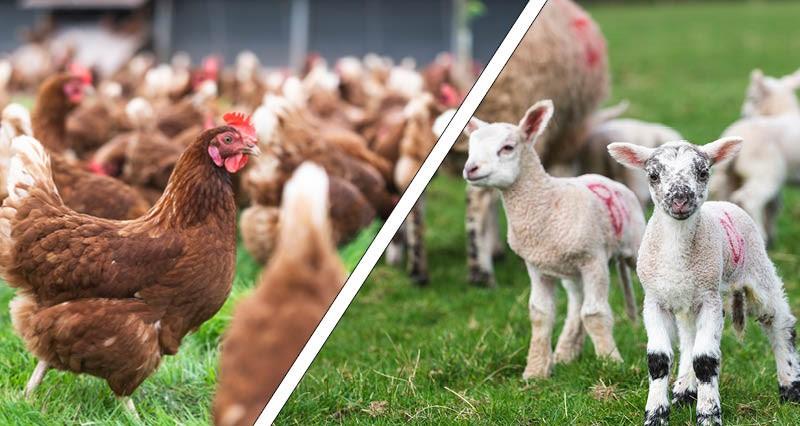
The government's proposals include the phasing out of colony cage systems across the laying hen sector by 2032, applicable to all producers in the UK.
The NFU has reiterated its disappointment that Defra's animal welfare strategy fails to acknowledge the important role enriched colony cage systems play in providing consumers with choice and access to an affordable source of protein.
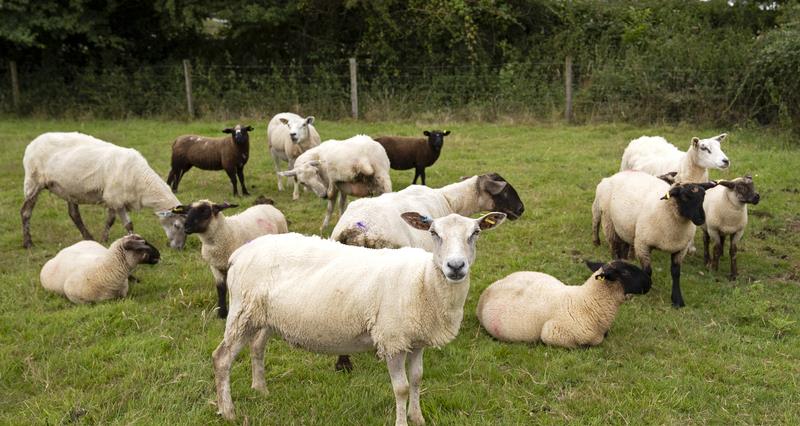
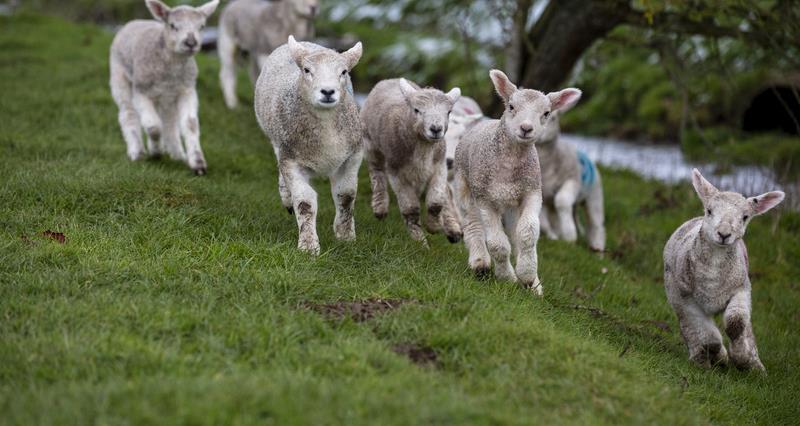
The government is also consulting on tightening restrictions for lamb castration and tail docking, a move which will spark disappointment among livestock keepers as they will fear restrictions to essential management practices that are vital to secure good lamb welfare for the life of the animal.
For management practices for lambs, the government has suggested greater use of pain relief and the consideration of alternative methods, which it has said farmers would get 'improved access to'.
“It [the government] must take steps to ensure consumers are protected from imported food that could be produced to lower standards.”
NFU President Tom Bradshaw
Animal welfare ‘top priority’
Responding to the news, NFU President Tom Bradshaw said: “Animal welfare is a top priority for poultry producers and livestock farmers, who already go beyond the bare minimum and work to strict legal and assurance scheme standards to care for their animals. Britain’s reputation for high standards is something the public values and rightly expects.
“If the government wants to raise domestic animal welfare standards further by phasing out colony cage systems across the laying hen sector and tightening restrictions on practices such as lamb castration and tail docking, then it must take steps to ensure consumers are protected from imported food that could be produced to lower standards, and that British farmers are not asked to compete with imports produced at those lower standards which would be illegal here.
“The NFU has long called for a set of core standards for food imported into the UK; it must meet the same production standards as asked of our farmers. It is what the British people expect and it’s time a system of core standards was properly established in UK law. Otherwise, we simply offshore production to jurisdictions we have no control over and expose the resilience of our domestic food system while at the same time undermining farmers.
“We will be discussing the details of these proposals with our members across all farming sectors to inform the NFU’s response and will be outlining the need for a full impact assessment on farm businesses, the wider supply chain and UK food security.”
Affected members will have the opportunity to feed into the NFU's response. Keep an eye on your sector pages on NFUonline for details on how you can have your say.
More on Defra's animal welfare strategy: