Caring for animals with suspected or confirmed bluetongue
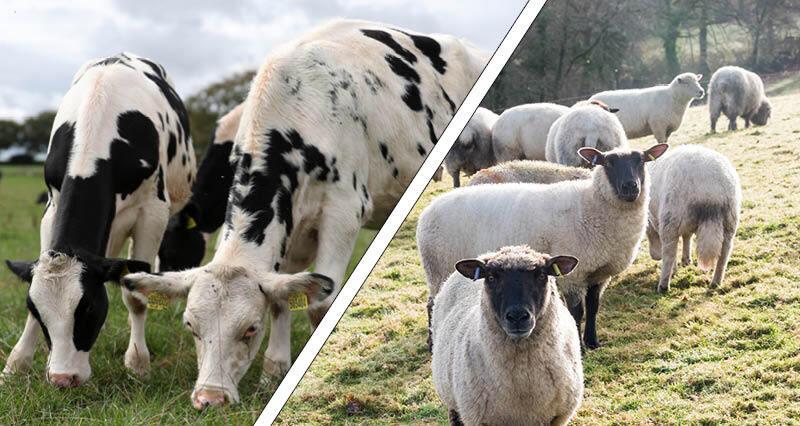
Bluetongue can have serious welfare and production impacts in sheep, cattle and other susceptible livestock. If you suspect an animal may be infected, early action can help support recovery. This guide outlines the signs to look for and the steps livestock farmers should take.
Key takeaways
- Spot symptoms early.
- Contact your vet promptly.
- Focus on hydration, feeding and welfare.
- Keep accurate records.
- Do not rely on insecticides.
- Get advice from vet in severe welfare cases.
1. Spot the signs early
Check sheep, cattle, goats, camelids and other susceptible animals closely.
Signs can include:
- Fever, dullness or lethargy.
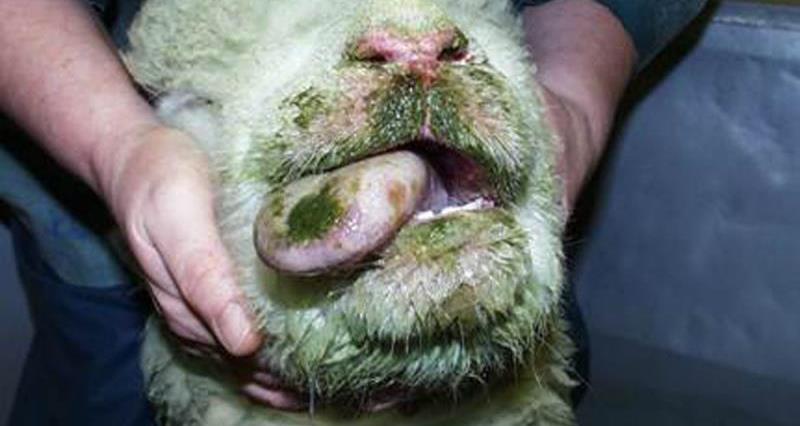
- Not eating (hollow-looking), drooling, or discharge from the eyes or mouth.
- Swelling of the head, lips, muzzle or tongue.
- Crusting, ulcers or sores around the nose and mouth.
- Lameness, stiffness or reluctance to move.
- Milk drop, abortion, stillbirths or dopey/weak/deformed newborns.
2. Isolate and keep animals comfortable
Move affected animals to a quiet, sheltered area with direct and easy access to fresh water, soft feed and shade.
Bluetongue is mainly spread by biting midges, not by direct animal-to-animal contact, but separating sick animals helps you monitor them, reduce stress and manage care.
3. Get veterinary advice as soon as possible
There is no specific antiviral treatment for BTV-3, so care focuses on nursing, pain relief and reducing inflammation where appropriate under veterinary direction.
Administration of pain relief must strictly be under veterinary guidance due to the risks of further kidney damage.
Early veterinary advice is important, especially for sheep, because severe BTV-3 can have high mortality and welfare decisions may need to be made promptly, eg, euthanasia.
4. Support eating and drinking
Sore mouths and fever can stop animals eating or drinking. Offer palatable, easy-to-eat feed (eg, soaked sugar beet/lamb creep), provide rumen function support through oral supplements/energy drenches and make sure water is close by.
Only consider oral drenching if you are confident and competent and have the appropriate equipment. Discuss this with your vet.
Animals that are not drinking, are unable to stand, or are rapidly deteriorating need urgent veterinary attention.
5. Reduce stress and handling
Keep handling to the minimum needed for welfare checks and treatment.
Avoid moving sick animals unless advised by your vet or required under licence, as movement of infected animals can spread disease and movement controls may apply in affected zones.
6. Reduce midge exposure where practical
Midges are most active during the high-risk season and can spread bluetongue between animals. Where possible, house vulnerable or sick animals in buildings that help keep midges out, particularly around dawn and dusk.
7. Do not rely on insecticides alone
Midge control is difficult.
AHDB advises that there is no field evidence that insecticides on animals reduce bluetongue transmission, and there are no products licensed specifically for Culicoides midge control.
Use any products only under veterinary advice.
8. Check pregnant animals and newborns
Bluetongue can affect pregnancy and may result in abortions, stillbirths or weak, small, deformed or blind calves and lambs.
Monitor pregnant animals, newborns and recently lambed or calved groups closely and seek veterinary advice if problems increase.
9. Keep good records
Record affected animals, signs seen, dates, deaths, abortions, treatments given and veterinary advice.
Good record keeping helps your vet, APHA and farm team make timely decisions.
10. Act quickly on welfare
If an animal is unable to rise, unable to drink, in severe pain, struggling to breathe, or not responding to care, contact your vet urgently.
Early euthanasia may be the kindest option in severe BTV-3 cases.