Bluetongue – vaccination best form of defence as virus continues to spread
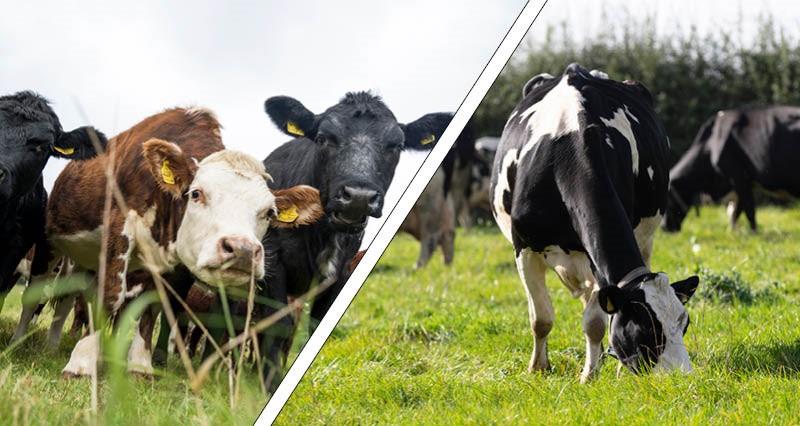
Livestock farmers are being urged to review their bluetongue defences and speak to their vets about vaccination as cases of BTV-3 continue to rise across England and Wales.
Nearly 1,700 confirmed cases have already been recorded in England and Wales during the current vector season, with 58 new cases confirmed in England in just one day (21 September). The South West, including Devon and Cornwall, is a particular hotspot for the disease, with cases also rising across Wales and the north of England.
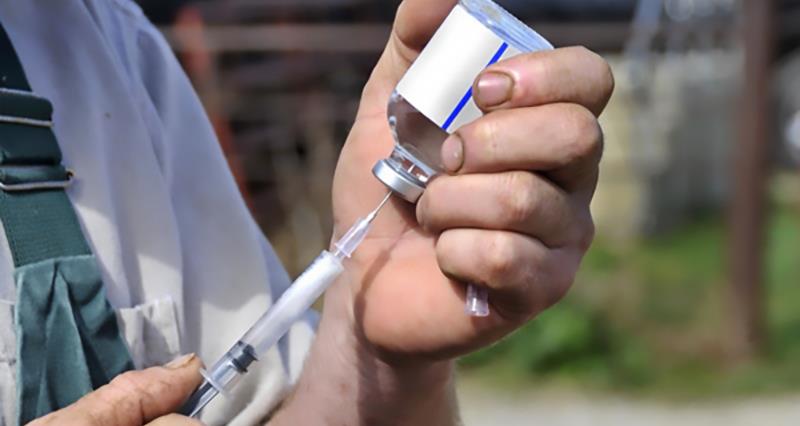
Vaccination offers protection against BTV-3
Vaccination remains the strongest defence available to livestock farmers who are battling the growing threat of the bluetongue virus serotype 3 (BTV-3) which is spreading at an alarming rate across the UK, the NFU has said.
The hot, dry weather experienced through the summer created favourable conditions for biting midges, the insects that spread BTV-3 (bluetongue).
Speaking in August when cases were starting to rise at an alarming rate, acting NFU Livestock Board Chair Clare Wise said: “The past few days have been a stark reminder that bluetongue poses a serious and growing threat to the UK livestock sector and it’s not going away any time soon.
“This disease can have serious consequences for cattle, sheep and other ruminants, affecting animal health, productivity, movement and trade, while also creating considerable stress and financial pressure for livestock farming businesses.”
Take steps to reduce exposure
Clare went on to explain: “As the disease continues to spread at an alarming rate, it’s important to assess the risks and consider all the tools available by speaking to the farm vet. Vaccination is proving to be the most effective shield against the disease, which is spread by biting midges, and may offer greater confidence and resilience as the industry navigates the challenges the disease presents.
"To reduce the risk, farmers are also moving high-risk or non-vaccinated stock away from wet, low-lying, or sheltered areas. They are also keeping vulnerable animals housed during dawn and dusk when midge activity peaks, all of which is added pressure on farmers and forage stocks during this challenging dry weather period.”
“Although many of you will have vaccinated your cows last year, topping up now and boosting the immunity is critical.”
NFU Dairy Board Chair Ian Harvey
NFU Dairy Board Chair Ian Harvey shared the impact BTV-3 has had on his own farm, saying: “I know many of our dairy farmer members are increasingly concerned about the impact bluetongue is having on herds and businesses. This is not just a wider industry issue for me; the virus reached my own farm two weeks ago, bringing home the very real challenges and uncertainty that dairy farmers across affected areas are facing.”
Top up to boost immunity
Ian said that even if cows were vaccinated last year, it is important to give booster vaccinations now to maintain and strengthen their immunity. “This disease is disruptive, unpredictable and emotionally draining”, he said. “But keep a close eye on stock, react to signs quickly and discuss the best course of action with your vet as a priority.
“Although many of you will have vaccinated your cows last year, topping up now and boosting the immunity is critical. Don’t wait for the maps to indicate the proximity of the virus, act now and secure vaccine when it becomes available.
"Even farms with strong biosecurity measures remain at risk. The impact goes far beyond animal health, with milk losses, fertility issues and additional testing all creating significant financial and emotional pressure.”
NFU calls for coordinated BTV-3 response
Ian went on to call for the industry collaboration to tackle the growing risk, saying: “As pressure mounts from the drought conditions, with many of you feeding winter forage and expensive supplementary feeds to your herds, we will continue to work together as an industry and with government to provide clear guidance, practical support and effective disease control measures.
“Protecting animal health and maintaining confidence across the dairy supply chain must remain a priority as we respond to this growing threat.”
Clare added: “A coordinated approach across the industry will give us the best chance of reducing the impact of bluetongue.
“The NFU is continuing to engage closely with Defra, the devolved administrations and industry partners to ensure our members concerns are being heard.”
Don't miss AHDB’s bluetongue webinars
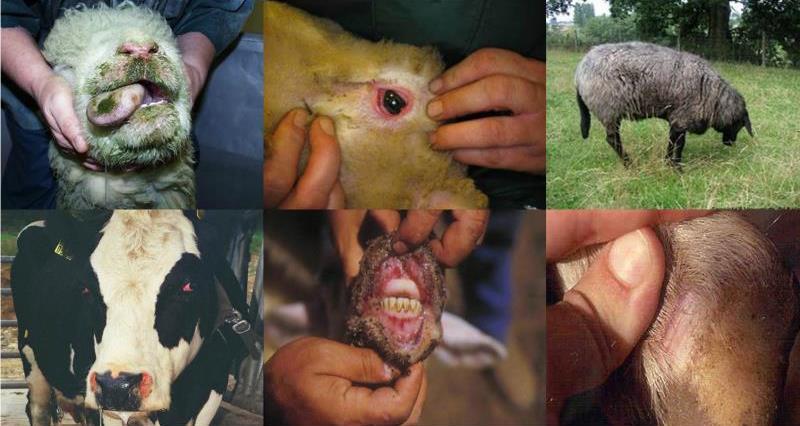
Watch the latest and previous webinars, which have covered topics such as the symptoms of BTV, the midge lifecycle and the impact of temperature on BTV transmission.
Watch the AHDB webinarsMore on bluetongue