The realities of bluetongue – NFU Dairy Board Chair on facing BTV-3 on farm


Ian Harvey
NFU national Dairy Board Chair
NFU Dairy Board Chair Ian Harvey has first-hand experience of dealing with bluetongue on farm. Here, Ian shares his experiences and asks fellow dairy producers to use the tools available to minimise the impact of BTV-3, and to support one another through these challenging times.
For many dairy farmers, bluetongue has gone from being a concern on the horizon to an immediate reality. It has rapidly developed into a significant issue, bringing uncertainty, disruption and anxiety for dairy businesses at a time when many are already managing considerable economic pressures.
This is not just a wider industry issue for me. The virus reached my own farm several weeks ago, giving me first hand experience and bringing home the very real challenges that accompany a disease outbreak.
That’s why the UK needs to be in a place where we can tackle emerging viruses head on – and for that farmers need full collaboration with vets, government, its agencies and industry partners to ensure farmers have the information and support they need to make informed decisions and protect the health and welfare of their animals.
Bluetongue has always felt like one of those diseases that happens “somewhere else” – usually in sheep, usually abroad, usually something we read about in the farming press rather than face in our own yards.
But the 2026 season has changed that. As I write this, there are now close to 500 confirmed cases of BTV-3 across the UK and many, many more not appearing on official stats
Watch again: NFU bluetongue webinar – latest situation and practical steps from experts
Signs and symptoms
Bluetongue is a strange enemy. It’s not spread by nose to nose contact or sloppy biosecurity – it’s carried by biting midges, tiny insects that don’t care about county boundaries or farm assurance schemes.
Once temperatures rise enough for the virus to replicate inside them, transmission takes off.
This year, midges became active on 31 March 2026, and by July the disease was moving fast, with the South West first in the firing line.
As dairy farmers, we’re used to managing what we can control: nutrition, genetics, housing, hygiene. Bluetongue reminds us that some threats drift in on the wind.
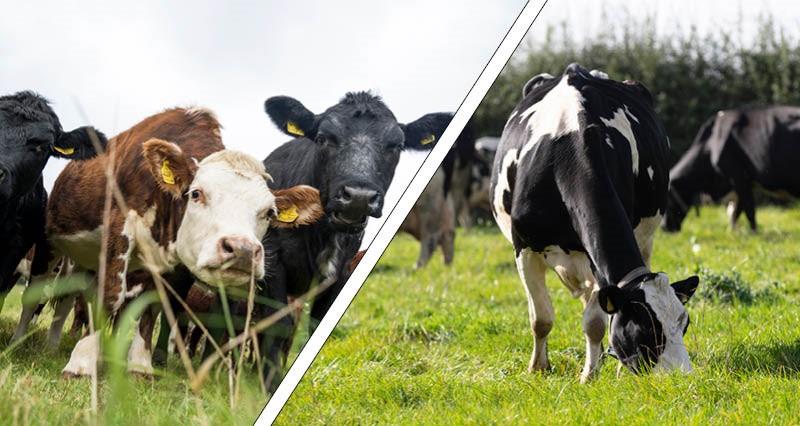
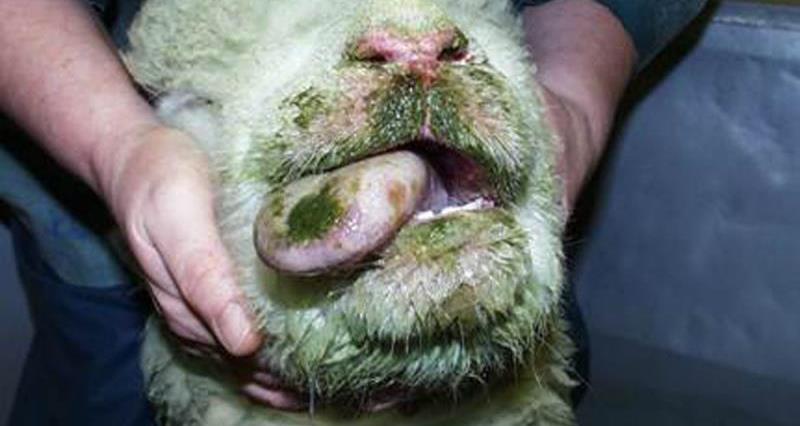
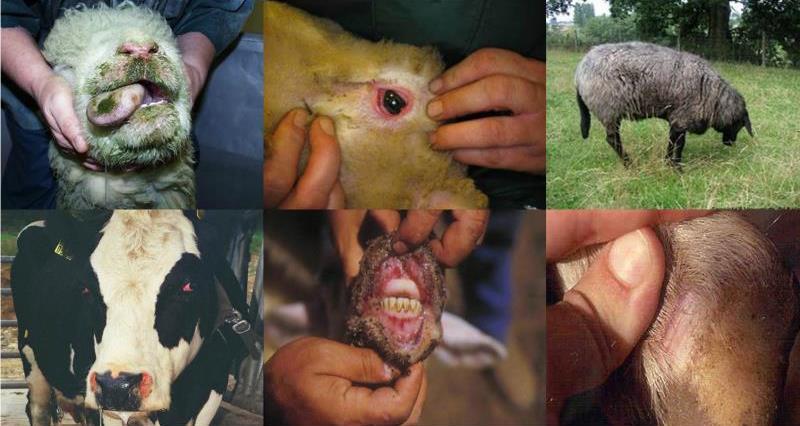
Sheep show the worst signs, but cattle are far from unaffected. The official list includes acute lameness, crusty erosions around the muzzle, nasal discharge, fever, milk drop, and even abortion or stillbirths.
On our farm in Cornwall, we have seen all of the above, but the first signs was a redness just above the hooves and a stiffness in walking.
This leads to a cow that’s off her feed for a day or two which then can take up to two weeks to recover production but at the moment, with prompt treatment with amoxicillin and anti-inflammatory, coupled with some reside of last years’ vaccinations, this period can be shortened to five days.
However, while some cattle show only mild signs, they can remain infectious for weeks – a silent risk within the herd.
Young stock (circa 12 months) do respond to treatment quicker – we have seen recovery within 12 hours. which is encouraging and these wouldn’t have been vaccinated in 2025.
“Farmers need full collaboration with vets, government, its agencies and industry partners to ensure farmers have the information and support they need to make informed decisions and protect the health and welfare of their animals.”
NFU Dairy Board Chair Ian Harvey
Far reaching impact
The emotional toll is real.
Watching a good cow unable to get up, or hobbling around the field, nostrils crusted, refusing feed, is upsetting.
The situation is particularly challenging because many dairy businesses operate within tightly managed production systems.
Decisions made months or even years ago on breeding, genetics and herd growth can suddenly become much harder to implement.
Farmers are now finding themselves reassessing plans, delaying movements and navigating additional administrative requirements, often at short notice.
Alongside that comes the emotional strain.
All dairy producers care deeply about their animals and take pride in maintaining high standards of health and welfare. Any disease threat creates concern, but the speed at which bluetongue has spread, combined with uncertainty about future restrictions, has added to the pressure many farming families are experiencing.
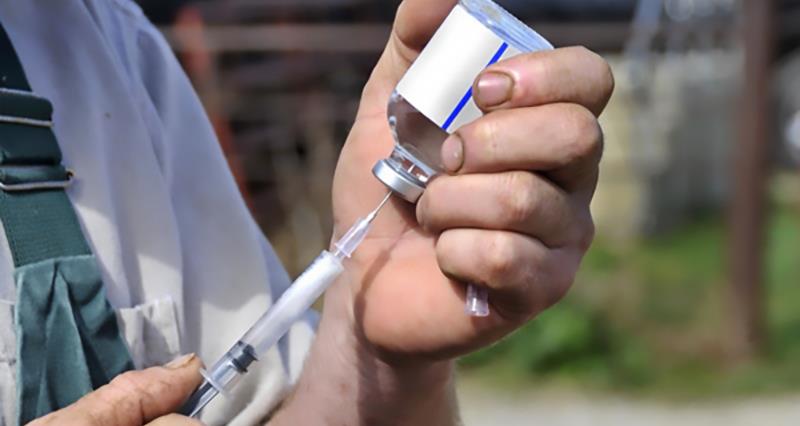
That is why it is essential we continue to focus on the tools available to help manage the disease effectively. One of the most important of those tools is vaccination.
Vaccinate to reduce impact
Vaccination is not a silver bullet. It will not remove every challenge associated with bluetongue overnight, nor will it eliminate the need for wider disease control measures. However, it represents one of the strongest defences available.
By helping reduce the impact of disease in susceptible animals, vaccination can play a critical role in protecting animal health and supporting business resilience.
There have been challenges in getting the number of vaccines needed out to vet practices. We know manufacturers are working extremely hard to increase supplies and make more doses available.
We now have the added challenge where the prevalence of the disease is acute, of deciding when best to vaccinate. This is where conversations with your vet are vital.
The dairy sector has a strong track record of embracing science and innovation when it comes to animal health. Farmers understand the importance of prevention and are accustomed to taking proactive steps to safeguard their herds.
Bluetongue vaccination should be viewed through that same lens.
Of course, the success of any vaccination strategy depends upon confidence, availability and clear communication.
Farmers need straightforward information about products, eligibility, timing and administration requirements.
They need practical guidance that helps them make informed decisions for their individual businesses.
Most importantly, they need certainty wherever possible in what remains a rapidly evolving situation.
We must also recognise that different regions and different farming systems may face varying levels of risk and impact.
A one-size-fits-all approach is rarely effective in agriculture. Disease control measures need to be practical, proportionate and informed by the realities of farming on the ground.
That is why ongoing dialogue between farmers and policymakers remains so important. Those making decisions need access to real-world feedback from dairy businesses experiencing the consequences of restrictions and control measures.
Likewise, producers need confidence that their concerns are being heard and reflected in policy decisions.
“Farmers are problem-solvers by nature. We adapt, we innovate and we support one another through difficult periods.”
Ian Harvey
Practical support is another critical part of the response
For dairy producers, managing bluetongue is not simply a matter of following guidance.
There are often additional costs, additional labour requirements and additional management burdens associated with disease mitigation.
These challenges can accumulate quickly, particularly for businesses already operating under tight margins.
Where support mechanisms can help reduce barriers to disease control, they should be explored. Encouraging vaccine uptake, improving access to information and ensuring efficient administration of disease management measures can all contribute positively to the sector's resilience.
Veterinary professionals will also remain central to our response. Farmers consistently place enormous value on the trusted advice provided by their vets.
As businesses assess vaccination options and navigate changing circumstances, veterinary expertise will continue to be indispensable.
Looking ahead, we must acknowledge that the factors influencing bluetongue are unlikely to disappear. Changes in weather patterns and disease dynamics mean the livestock sector increasingly faces challenges that were once considered less common or less widespread. That reality reinforces the importance of preparedness, surveillance and rapid response capabilities.
The UK's dairy farmers are incredibly resilient, but resilience should never be mistaken for invulnerability. Businesses need the right tools, information and support networks to adapt effectively. Strengthening those foundations today will help protect the industry against future animal health threats as well as the current challenge.
There is also a wider supply chain interest in ensuring bluetongue is managed successfully. Processors, retailers, livestock markets, hauliers and breeding specialists all depend upon a thriving and efficient dairy sector. Animal health underpins productivity, confidence and investment throughout the supply chain.
Determination to keep going
As someone whose own farm is now directly affected, I know the uncertainty many producers are feeling. Yet I also know the determination that exists across the dairy sector.
Farmers are problem-solvers by nature. We adapt, we innovate and we support one another through difficult periods.
Bluetongue is disruptive, unpredictable, and emotionally draining. But farmers are adapting – watching stock more closely, reporting signs quickly, and preparing for vaccination.
We don’t fear bluetongue, but we respect it. And with good science, strong communication, and practical support, we can manage it.
For now, we keep going – because that’s what dairy farmers do.
More from NFUonline:
Watch again: NFU bluetongue webinar – latest situation and practical steps from experts