Bluetongue vaccination: could it save your farm money?
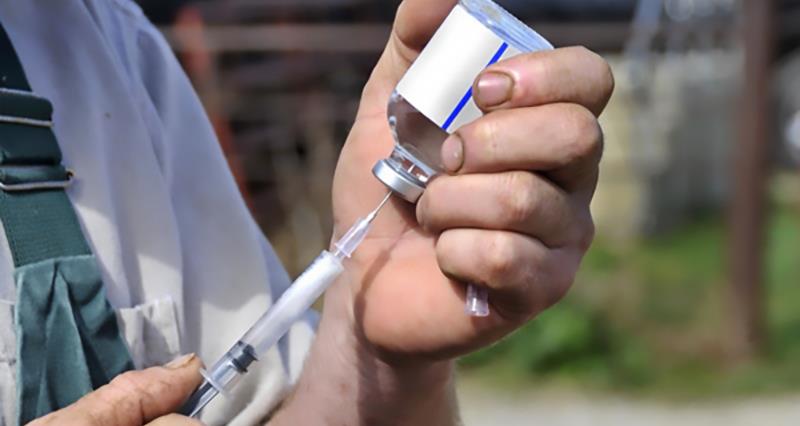
Vaccination comes with an upfront cost, but it could help prevent much greater losses from bluetongue. Use AHDB’s calculator and your own farm figures to assess the financial case, then discuss your options with your vet.
The BTV vaccination key message
A single 50-dose vaccine bottle costs roughly the same as the value of a finished lamb, if lost to BTV.
Bluetongue poses a current risk for livestock farms. AHDB’s 5 August 2026 webinar highlighted rapidly increasing BTV cases in sheep and cattle, with reports of more severe clinical signs and high mortality in sheep.
The simple calculation
A useful way to look at the decision is:
Potential saving = likely losses avoided minus the total cost of vaccination
AHDB’s BTV-3 vaccination finance calculator helps farmers enter their own figures, including stock numbers, vaccination costs and likely disease impacts, to estimate whether vaccination is financially worthwhile.
There are also helpful tools available for decision making on vaccination based on location, and a calculator for deciding if it is too late to vaccinate.
What costs should be included?
When working out the cost of vaccination, include:
- vaccine cost
- vet advice or prescription
- labour and handling time
- any extra gathering or disruption to normal work.
BTV-3 vaccines must be prescribed by a vet. Keepers must also record vaccinated animals and report vaccinations within the required timescale – Report your use of the bluetongue serotype 3 (BTV-3) vaccine - GOV.UK.
What losses could vaccination help avoid?
Bluetongue can create costs well beyond treatment. Potential losses include:
- animal deaths
- abortions, stillbirths or weak calves and lambs
- reduced fertility
- milk drop
- poorer growth or delayed finishing
- extra labour and veterinary care
- disruption to sales, movements or breeding plans.
AHDB lists clinical signs including fever, lameness, lethargy, milk drop, abortion, stillbirths and mouth or nose lesions.
Why small losses can make a big difference
Even one or two affected animals can outweigh the cost of vaccinating, especially where high-value breeding animals, stock bulls, in-calf heifers, finished cattle or valuable sheep are involved.
That is why using your own figures is important. The right answer will depend on stock value, disease risk, breeding timings, local situation and how much disruption your business could absorb.
What should farmers do now?
Use the AHDB’s BTV-3 vaccination finance calculator, then discuss the results with your vet. Focus on which groups are most at risk and where vaccination is most likely to protect animal welfare and business performance.
Vaccination should be viewed as a business protection decision, not just another animal health cost.