Bluetongue is no longer a distant risk anywhere in England and Wales.
BTV-3 cases have risen quickly this season, and warm weather has brought the risk period forward by creating favourable conditions for biting midges, the insects that spread the virus, to become active earlier than many farms expected.
Bluetongue is notifiable, so suspected cases must be reported immediately.
But surveillance depends heavily on farmers and vets spotting signs and raising the alarm.
Official testing and national rules matter, but they can’t replace active, on-farm prevention.
Treat bluetongue control as a management priority now, not something to consider once disease is nearby. Once infected midges are active locally, it becomes harder to vaccinate safely, since shared needles can spread infection between animals if vaccination starts too late.
Timing is everything: the virus spreads mainly through midges rather than animal-to-animal contact, but once midges are active, disease can move quickly, especially where susceptible animals are moved, mixed or exposed during peak activity.
Vaccination should sit at the centre of every farm’s plan
Speak to your vet about vaccine options, timing and suitability for your herd or flock, particularly for breeding animals, youngstock, higher-value animals, and any holding already in a hotspot area.
Vaccination isn’t a last resort. It’s one of the few tools that reduces the impact of infection before the virus reaches your holding. Vaccine protection is serotype-specific, so veterinary advice is essential to make sure you’re covered against the strain in circulation.
“With severe clinical signs and high mortality being reported in non-vaccinated sheep flocks, when you are speaking with your vet, assess the risks and consider all the tools available to help protect your livestock. Vaccination is still the best form of defence against the virus, which is spread by biting midges, and may offer greater confidence and resilience as the industry navigates the challenges the disease presents.”
NFU Vice-president Robyn Munt
Watch your stock closely
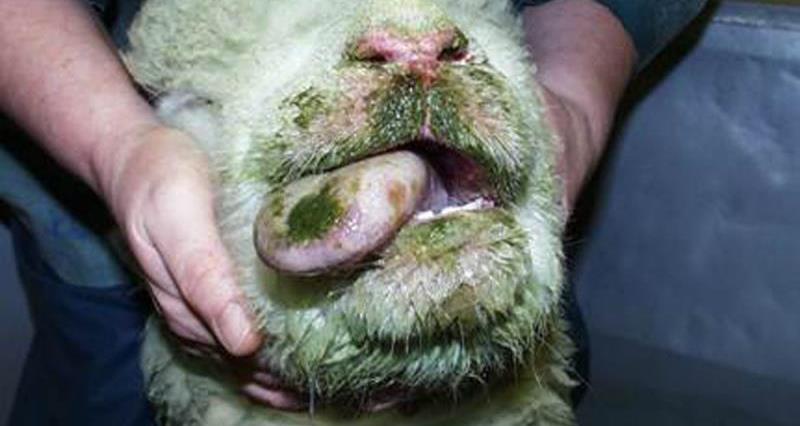
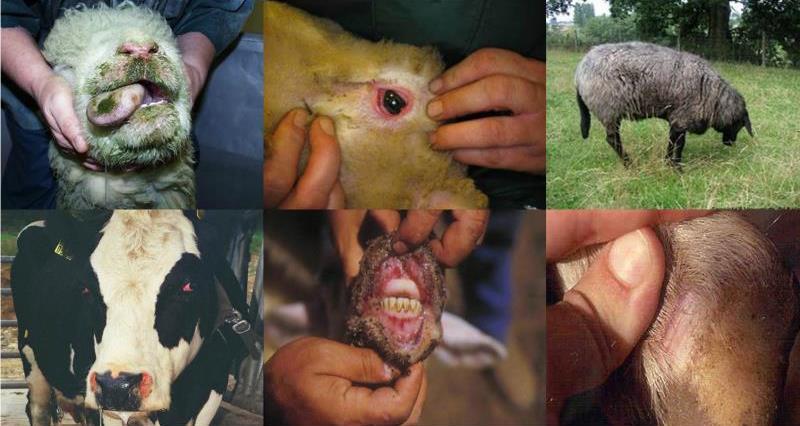
Check animals daily for fever, lameness, drooling, mouth or nose ulcers, facial swelling, eye discharge, milk drop, abortion, stillbirths, or weak and deformed newborns. Sheep tend to show more obvious signs, while cattle may show mild disease and act as a less visible source of infection.
Reduce midge exposure where you can
Avoid grazing high-risk stock in wet, sheltered areas at dawn and dusk, when midge activity peaks.
Consider housing vulnerable animals during peak risk periods and reduce standing water and muck where midges breed. Insecticides and repellents can reduce exposure and midge burden, but won’t remove the risk entirely.
Use licensed products only as advised by your vet.
Movement restrictions and trade rules have a role, but regional or national zones do less to limit spread than early, farm-level action. The message is simple: don’t wait.
Report suspected disease immediately, vaccinate where appropriate, tighten movement decisions, monitor stock daily and work with your vet. By the time disease is obvious locally, the midges may already have done their work.
Be prepared
| Action | Why it matters |
| Vaccinate where appropriate | Discuss vaccine choice, timing and target groups with your vet. |
| Report suspect signs immediately | Bluetongue is notifiable, and early reports help build the disease picture. |
| Review movements | Avoid unnecessary mixing and plan moves around current rules and risk. |
| Monitor stock daily | Look for fever, lameness, drooling, ulcers, swelling, abortions and weak new borns. |
| Reduce midge exposure | Midges target wet, sheltered areas, and are active during dawn and dusk. |
More from NFUonline

Sources used:
- Defra/APHA, “Bluetongue: latest situation”, GOV.UK, updated 29 July 2026.
- AHDB, “Bluetongue virus latest news”, including reporting advice, clinical signs and vaccination information.
- Welsh Government, “Bluetongue virus: current restrictions”, updated 23 July 2026.