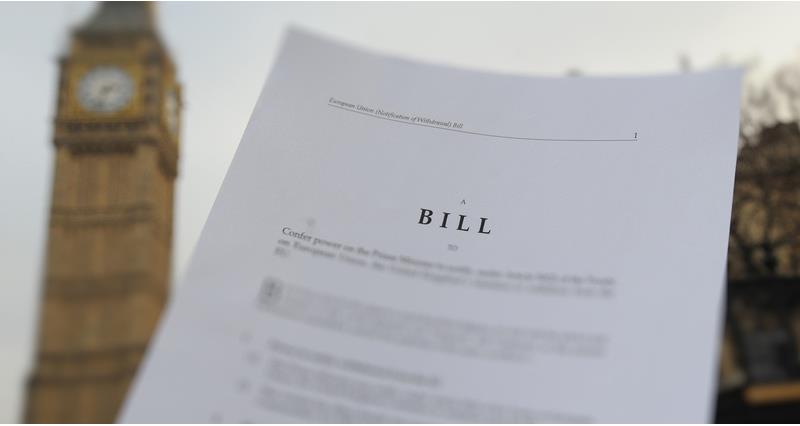
The government’s English Devolution and Community Empowerment Bill, which is currently going through Parliament, will deliver on its promise to expand the number of mayors across England.
It aims to transfer more powers and decision-making to local government and will increase mayoral powers. ‘Strategic authorities’ will be led by mayors with these increased powers, devolving powers away from Westminster.
‘Rural affairs’ was not initially listed as a core competency for the new mayors, an oversight that Liberal Democrat Peer Baroness Bakewell of Hardington Mandeville sought to correct through her amendment, Lords Amendment 2.
“This change will ensure the perspectives of rural communities are considered from the very beginning.”
NFU Vice-president Robyn Munt
The NFU lobbied MPs to back the amendment tabled by Baroness Bakewell and supported by the House of Lords. The change means that mayors will be able to appoint Rural Commissioners, giving rural communities across England a clear voice and ensuring they are represented in mayoral decisions.
NFU Vice-president Robyn Munt welcomed the news: “This change will ensure the perspectives of rural communities are considered from the very beginning and not treated as an afterthought as mayors across the country set their priorities.”
Amendment pushed through
When the Bill was first returned to the House of Commons, the government rejected the amendment and whipped Labour MPs to vote against it, stating that the existing competencies of the new strategic authorities already covered rural affairs.
The House of Lords, however, refused to back down and insisted on its amendment, setting the stage for a showdown with the government.
Following lobbying from the NFU and other stakeholders, the government backed down and accepted Lords Amendment 2. The government did add its own small change, arguing that the competency should be ‘rural affairs and coastal communities’. This is in addition to key responsibilities covering transport, housing and economic development.
The Lords sat late into the night and accepted the position put forward by the government.
Rural communities empowered
The NFU has welcomed the news that the amendment has been passed, with the Bill receiving Royal Assent today.
It will help ensure rural perspectives are built into discussions on mayoral priorities and projects from the start, rather than considered as an afterthought. Rural communities will now be able to fully engage with the devolution process.
NFU Vice-president Robyn Munt added: “We thank Baroness Bakewell for her determination in tabling and insisting on an amendment and will continue to work with government and elected mayors to ensure rural communities are properly listened to.”
More from NFUonline:

Watch again: Devolution and Local Government Re-organisation in Lancashire webinar