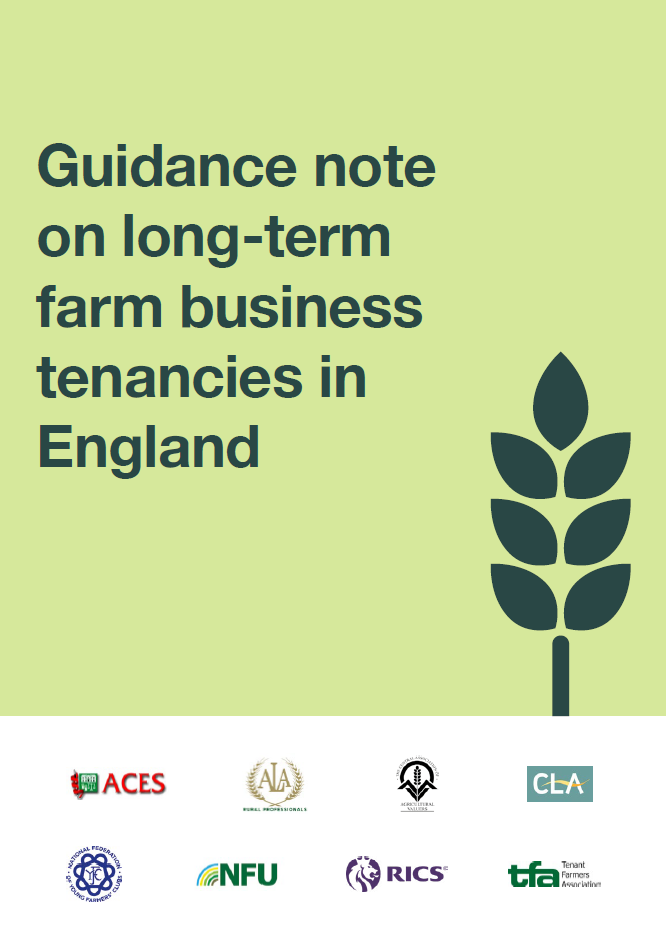
The Farm Tenancy Forum, which the NFU is a member of, has produced a guidance note on FBTs (long-term farm business tenancies) in England, setting out the benefits such tenancies can bring to both landlords and their tenants.
These benefits focus on security, stability, and the ability to implement long-term farming plans.
For tenants, long-term FBTs enable them to plan for the future with a higher degree of confidence, in turn allowing for more secure businesses and more sustainable farming practices.
Landlord benefits include a reliable long-term rental income and collaboration with the tenant in terms of agreeing a land management strategy for the holding.
The guidance helps both parties set clear expectations from the outset and will help build strong, productive landlord-tenant relationships.
Read the Farm Tenancy Forum guidance note on long-term farm business tenancies in England
Confidence to invest
NFU Vice-president Robyn Munt said: “As tenant farmers ourselves, I know how these types of agreements can provide the stability and confidence required to invest in farm businesses, and provide the security needed to participate effectively in Environmental Land Management schemes.
“Longer-term farm business tenancies also help improve relationships and build trust between tenants and landlords.
“Flexibility is key and why long-term agreements must sit alongside short-term tenancies or a variety of other arrangements, including one-year licences, to allow for new entrants to enter the industry and for where land is only required for a short period.”
Collaborative relationships
The Farm Tenancy Forum, set up by Defra in 2023 as one of the recommendations of the Rock Review, is a joint industry and Defra group with three core responsibilities to:
- Work with the government to ensure a thriving and collaborative farm tenancy sector.
- Explore all issues relating to the tenant farming sector in England.
- Provide ongoing engagement and feedback between Defra and the tenanted sector.
Part of it's role is to develop and disseminate industry codes of good practice, guidance and standards of conduct and behaviour that will be help encourage collaborative relationships and uptake, and access to new schemes by the tenanted sector.
“Flexibility is key and why long-term agreements must sit alongside short-term tenancies or a variety of other arrangements, including one-year licences, to allow for new entrants to enter the industry and for where land is only required for a short period.”
NFU Vice-president Robyn Munt
Code of Practice
In 2024 the NFU was involved with a sub group of the Farm Tenancy Forum in the drafting of the Agricultural Landlord and Tenant Code of Practice for England.
All tenants should read and understand the Code of Practice it is particularly important in improving better relations between Landlord and Tenant.
The Forum has now more recently been involved in the production of the latest publication, a guidance note on long-term farm business tenancies in England which sets out the benefits such tenancies can bring to both landlords and their tenants.
The forum meets quarterly and is regularly attended by the Farming Minister. The meetings provide forum members with government updates and the opportunity to feed back on how the tenanted sector is progressing.
It explores all issues relating to tenant farming and looks at possible solutions where barriers are apparent.