To start on a positive note, 2026 should see negotiations progress on a new SPS (sanitary and phyto-sanitary) agreement with the EU. This should facilitate smoother movement of planting material and plant products between the UK and the EU – reducing the cost and risks associated with border controls for incoming propagation material and improving export opportunities.
We will need to wait a little longer for implementation, and the NFU will be ensuring that the associated dynamic alignment processes serve the interest of British growers. We can recognise this as a step in the right direction.
Until then, there are still challenges with biosecurity, costs and delays to be addressed.
Competitive disadvantages
Enabling freer trade with Europe is both an opportunity and a challenge. British growers must be given every opportunity to compete on equal terms with their EU counterparts.
Our government needs to recognise its role and responsibility in making this possible.
As things stand, we enter 2026 with significant competitive disadvantages.
EU and devolved nations growers will benefit from a renewed Fruit and Vegetable Aid scheme – while in the UK the scheme will close for English growers with no obvious replacement. We have a unique and inappropriate tax on building greenhouses (in the form of biodiversity net gain).
“It is now time to see more commitment to addressing the specific, and sometimes inconveniently complex, challenges that our industry faces.”
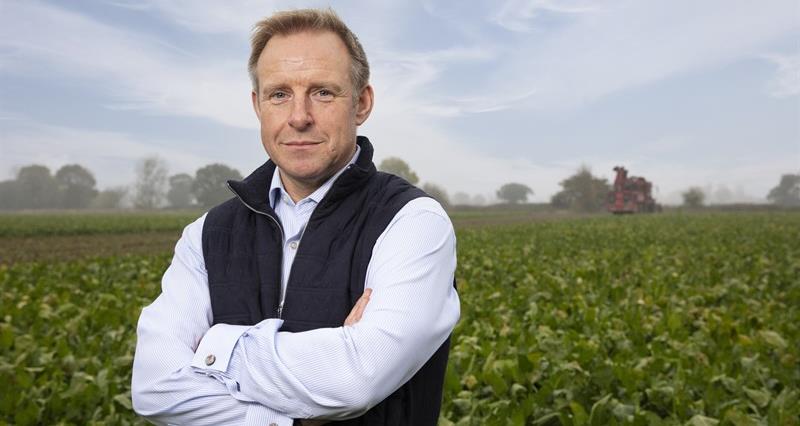
NFU Horticulture and Potatoes Board Chair Martin Emmett
We have escalating energy costs that the government is failing to mitigate through appropriate interventions such as the exemptions available in EII (Energy Intensive Industries) scheme. The list goes on.
More commitment
We have heard all the hyperbole around ‘food security is national security’, and seen a food strategy launched with a plethora of references to healthier diets and fresh fruit and vegetables, yet little substance underpinning the opportunities.
It is now time to see more commitment to addressing the specific, and sometimes inconveniently complex, challenges that our industry faces in addressing the national interest of boosting UK production.
My engagement with the Farming Minister on farm in the week of her appointment in September confirmed her interest.
I am hoping for a year of increased dialogue and more immediate action.