Bluetongue: Dairy Board Chair updates on the NFU’s lobbying work

Ian Harvey
NFU national Dairy Board Chair
NFU Dairy Board Chair Ian Harvey updates members on our current asks of government on bluetongue, including more accurate mapping and stronger national disease resilience.
Our current asks
- More accurate mapping – accounting for both confirmed and suspected cases of the disease.
- Stronger national disease resilience – government to support vaccine development and availability and improve stock resilience.
- Increased APHA capacity.
- Immediate support for fallen stock disposal costs.
The cases of bluetongue are continuing to rise, and the virus has not yet reached its peak for this year.
In dialogue with government
The NFU are in regular contact with both Defra and APHA to ensure they understand the immense pressures being faced by our members at this time. The intel shared between the NFU and these government bodies provides better coordination and the ability for the NFU to lobby for actions we need to see on behalf of our members.
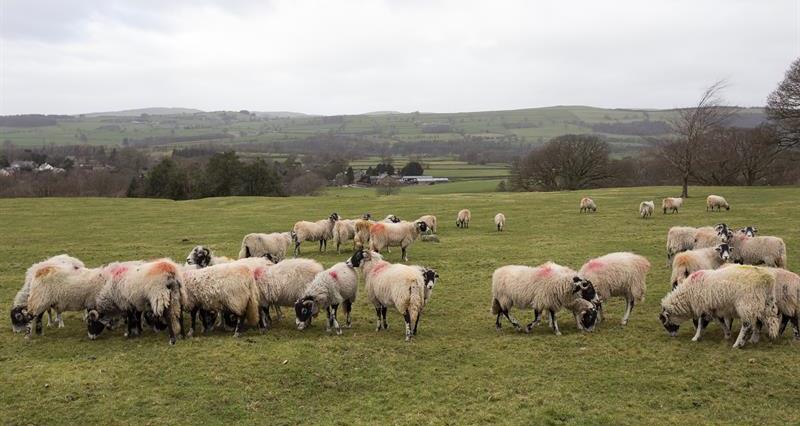
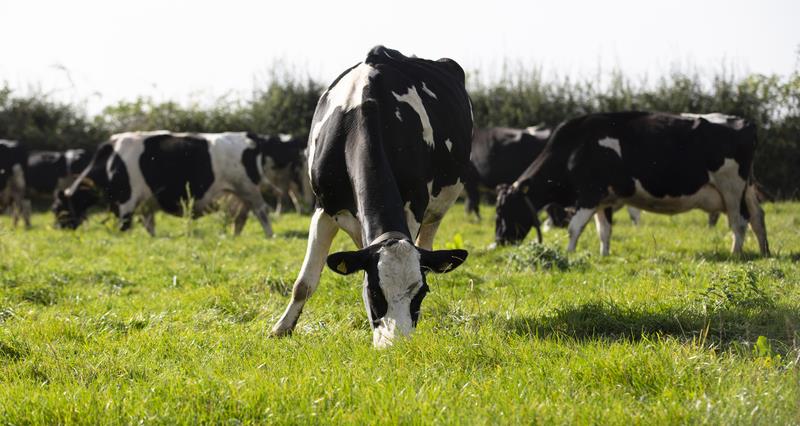
We know that the virus has had a severe impact on the sheep sector, but dairy cattle are far from unaffected with some reports from unvaccinated herds including cows unable to stand and, in severe cases, increased mortality. We also know that BTV-3 impacts milk yield; with vaccinated herds seeing around a 2-3 litre drop per animal and unvaccinated around 4-6 litres, coupled with the pressure members are under from what has already been a very difficult year, it has created a serious financial and emotional pressure on farm.
Dairy Board Chair on his personal experience
I have experienced this first hand, having had the unfortunate experience of BTV-3 within my herd.
Fortunately, we vaccinated so the symptoms were manageable: the first signs were a redness just above the hooves and a stiffness in walking. This then leads to a cow that’s off her feed for a day or two which then can take up to two weeks to recover production but with prompt treatment with amoxicillin and anti-inflammatory, this period for us was shortened to five days.
Current progress
We have heard your calls around testing and for the official APHA map to show both confirmed and suspected cases so you can track more accurately how the disease is spreading. This has been raised directly with government, and we hope to see some progress on this ask next week.
APHA have stated that they are going to start prioritising confirmation testing outside of the current south-west hotspot, so we are expecting the time lag around testing to continue.
The best form of defence is vaccination, and we are asking that government should work closely with vaccine manufacturers, veterinary bodies and industry to support vaccine development, availability and stock resilience.
If you haven’t yet vaccinated, please ensure you speak to your vet to put your order in; demand is vital for availability, particularly as we lead up to the spring of next year.
The NFU is asking for immediate support for fallen stock disposal costs, one that, thankfully, is not currently a major issue for the dairy sector, but the need for this support is vital for our fellow members in the sheep sector.
Stronger national disease resilience needed
This outbreak has emphasised even further the need for stronger national disease resilience, APHA capacity and vaccine availability. We will continue to raise these points with government.
On a final note, please know you are not alone in this, this is not a finger pointing exercise. We need to work together to ensure we can control BTV-3 as much as possible to reduce the impacts on our industry, our cows and our farmers.