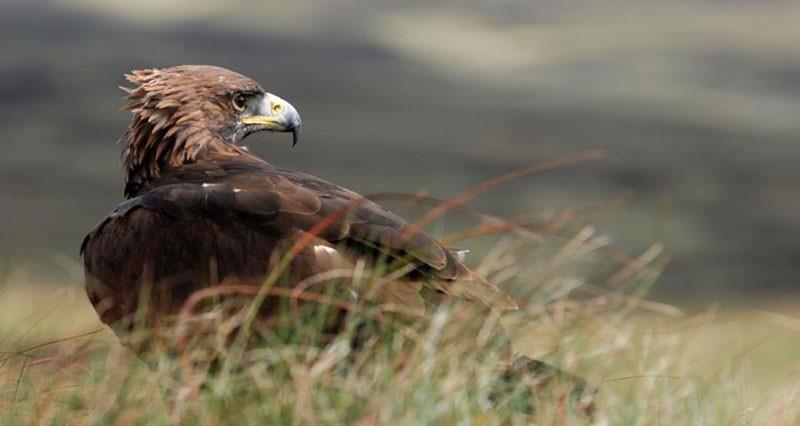
The survey was done following concern from NFU members and the wider farming community about the proposed reintroduction of White-tailed eagles and the impacts it will have on livestock welfare and the long-term future of upland farming.
The findings highlighted significant concern within the farming community about the consequences of re-introducing a large apex predator into working landscapes where sheep farming underpins local economies, environmental stewardship and cultural heritage.
Without robust evidence, properly funded mitigation measures and clear long term management plans, farmers fear the costs and consequences of reintroduction would fall disproportionately on them.
Farmers also highlighted the practical challenges of managing sheep in extensive upland farms, where close monitoring is often impossible, and warned that reintroduction could significantly increase labour demands, costs and mental wellbeing pressures.
NFU North Environment and Land Use Adviser Abigail Teward said: “It is extremely concerning that 58% of farmers who completed the survey were unaware of the project at all.
“This is particularly worrying given that a longstanding NFU position is that any reintroduction programme must involve early, meaningful and transparent consultation from organisations with the farming community.
“With 85% of respondents opposing reintroduction, farmers are clearly telling us they are deeply concerned about what this would mean for their animals, their livelihoods and the future of upland farming in Cumbria.
“These concerns are grounded in evidence gained from feedback from farmers in Scotland where White-tailed eagles have been reintroduced and other parts of the UK and should not be dismissed. Any decision must fully recognise the risks farmers believe they will be asked to shoulder.”
Serious reservations
NFU North Regional Board Chair William Maughan said “Farmers are not opposed to nature recovery, but it must work alongside productive agriculture, not undermine it.
“The survey shows serious reservations about how livestock welfare would be protected and who would bear the long term responsibility if problems arise.
“Farmers fear that without clear evidence, properly funded mitigation, and a credible long term plan, reintroduction would leave them bearing the costs and consequences.”
Without robust evidence, properly funded mitigation measures and clear long term management plans, farmers fear the costs and consequences of reintroduction would fall disproportionately on them.”
The survey findings will inform ongoing discussions with conservation bodies and policymakers.