The organic dairy conference – ‘What's next for Organic dairy?’ – brought together organic farmers, processors, feed specialists and wider industry professionals from across the supply chain for a day of insight, discussion and practical learning about organic dairy.
The morning saw a packed barn of attendees ready for a number of panels focusing on organic markets, technology and innovation, financial advice, consumer demand and market insight.
Ably chaired by NFU Dairy Board member, organic farmer and the Organic Roundtable Chair Sophie Gregory, the event attracted a wide range of high-calibre speakers including Muller CEO Rob Hutchinson, AHDB Chair Emily Norton and Oxbury Bank.
Making the transition
Organic cow’s dairy currently accounts for 4% of total milk volumes sold through retail in the UK and is worth £422million. Year-on-year, volumes are up 6.5% as demand continues to grow.
Organic farms are already implementing many of the sustainable and regenerative practices which buyers and consumers are increasingly asking for, and there was a strong discussion on how the sector can better market itself to ensure its standards and the benefits associated with choosing organic dairy are well known.
However, the importance of financial stability was also discussed, with the higher costs associated with organic standards, alongside the long transition period, making the decision to farm organically a long-term one which must be supported by the whole supply chain.
The importance of a strong business plan, management records, setting KPI’s and choosing the right milk contract for your business were also highlighted during the financial panel as important for creating a resilient, sustainable business.
Soil health
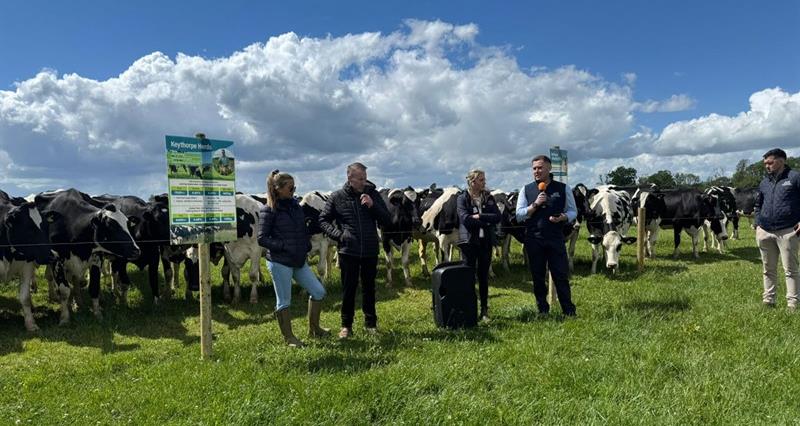
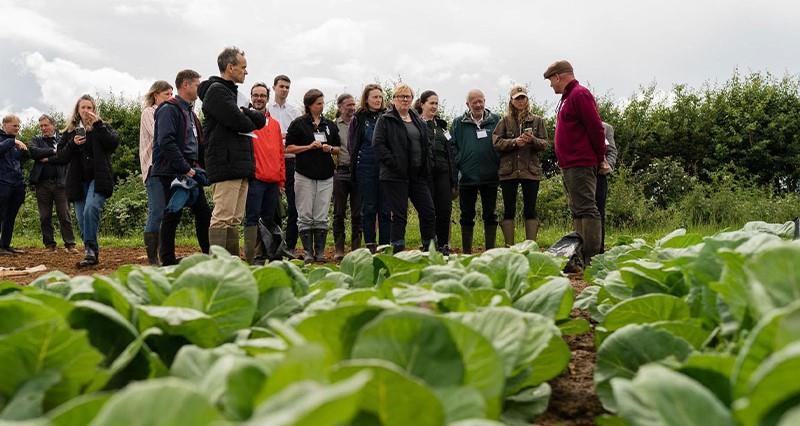
The afternoon session encouraged everyone to get out into the field and take a closer look at the soil, genetics and cropping on farm.
The soil element highlighted just how much impact improvements have had on overall farm performance, from cow health and production levels through to the long-term resilience of the business. It provided an insightful perspective on how improving soil health can help build a thriving and sustainable farming system.
There was a strong focus on the importance of roots – their depth, length and connectivity and how these influence soil structure, nutrient uptake and overall productivity.
The session clearly linked soil management to end production, prompting discussion around how improvements in soil health can contribute to increased milk yield.
Carbon foot printing was also considered, particularly in relation to soil conditions. For example, when soils are wet, is water effectively infiltrating, or is it leading to runoff and inefficiencies? This encouraged thinking around different scenarios and more innovative approaches to improve soil performance and farm capability.
Genetic choices
Genetics was another key topic of discussion, with an emphasis on the business selecting cows that best suit their farm system. This included a focus on breeding Holsteins and managing both autumn- and spring-calving systems.
The session highlighted how farms can make conscious genetic choices that align with their environment and overall management approach. Considerations such as the distances cows need to walk, and how this is influenced by body type, reinforced the importance of breeding cows that are functional, resilient and efficient within the system.
Demand for cull cows
The processing of cull cows was also discussed, including insights from processors on the differences between organic and conventional systems.
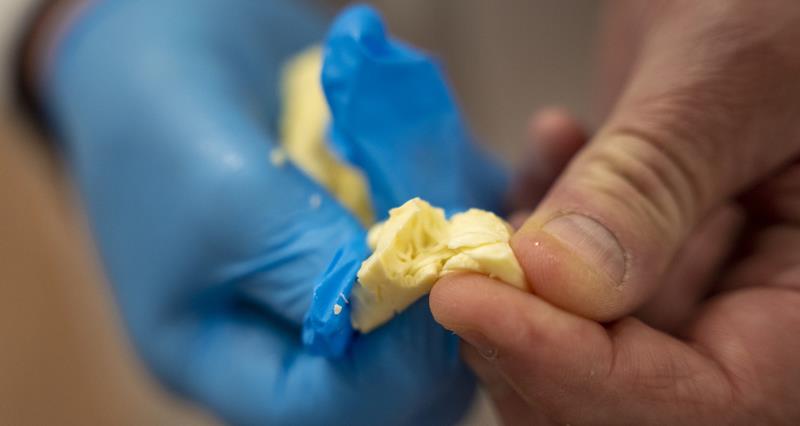
Organic cull cows were noted as often having yellower fat and may not always meet standard grading specifications.
However, there is still good demand for this product within European markets, particularly for mince and diced beef. This led to discussion around how the value of cull cows could be improved, particularly within the UK retail sector, and how they can be used more effectively within the supply chain.
Impact of crops on cow health
Seed and cropping formed the final part of the session, with a technical overview of different seed varieties, the roles they play and the times of year they are best utilised. A key message throughout was the direct impact of crops and forage on cow health, performance and efficiency.
There was a particular focus on growing high-protein crops to reduce reliance on bought-in feed.
Diet was identified as a major driver of performance, especially in relation to dry matter intake, with crops needing to be both palatable and easily consumed.
Different seed mixes were explored, identifying what works well within systems and where challenges may arise. Practical approaches to pest and weed management were also discussed, including the use of tools such as hoes and toppers to maintain crop quality.
Collaborative approach
Overall, the event offered attendees a huge range of information, linking soil, genetics and cropping to cow health, production and long-term farm resilience while keeping financial sustainability, consumer demand and innovation in mind.
It was clear throughout that taking both a whole-system and a whole-supply chain approach to organic is key, with each element working together to support thriving, resilient and efficient businesses.

Verity Richards
NFU chief dairy adviser
She spent three years working for the British Agriculture Bureau as a European policy adviser in Brussels, representing the UK Farming Unions through the Brexit transition and helping to build new trading relationships with the EU.
Re-joining the NFU's dairy team in the summer of 2022, Verity works closely with the National Dairy Board on areas such as exports and trade, air quality, farmer representation and helps to manage supply chain relationships.
She studied political science at Exeter University and grew up on a mixed arable and livestock farm on the Herefordshire border.

Cara Rhodes
NFU Food and Business Relationship Adviser
Cara’s role includes strategic engagement with major retailers, certification bodies, civil servants, and industry expert groups. Cara also works closely with NFU internal commodity boards to support the development of any policy positions.
From Herefordshire, Cara studied at Harper Adams University. Before joining the NFU, Cara spent six years at Haygrove in the sales and quoting department, supplying polytunnels and growing schemes to soft fruit growers across the UK and internationally.