Defra has published it's long-awaited bTB (bovine TB) strategy setting out a ‘clear, practical plan to achieve Officially Bovine TB-Free status in England by 2038, backed by an ambition to deploy a cattle vaccine by 2030’.
The NFU has welcomed the strategy's goal of building on the progress already made and has called for urgency in its delivery.
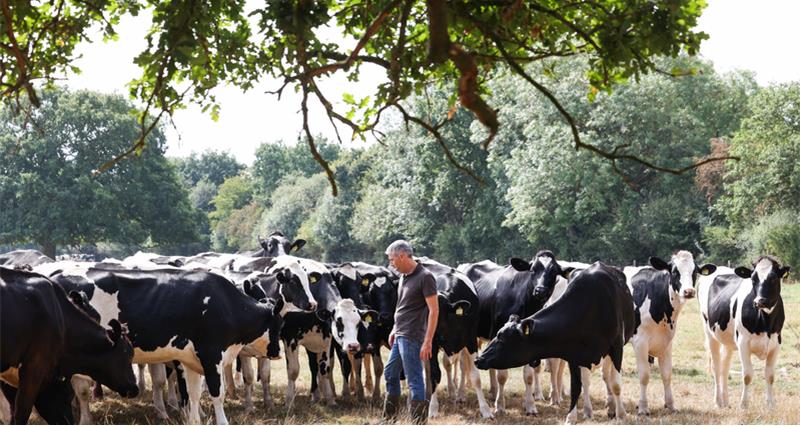
In December 2025, bTB in herds in England was at the lowest level since 2007, yet 20,500 cattle were still lost to the disease in 2025.
Every case places a huge burden on farming families – emotional and financial.
Farmers remain central to controlling and eradicating bTB.
Comprehensive suite of measures
The NFU in its role on the Strategy Refresh Steering Group, which engaged in the codesign process, strongly advocated for a comprehensive package of scientifically proven measures to tackle bTB, from better data and supplementary testing to targeted control of infection in wildlife.
Our asks included:
- Consideration of the model of governance for bTB in England.
- Improving industry access to data and supplementary testing.
- Evolving wildlife measures to control disease risk.
- Commitment to fair compensation for farmers who continue to be affected by the disease until it is eradicated.
- Enabling units that allow outputs for TB restricted animals.
“No single method can eradicate this disease – we need access to every tool which is scientifically proven to work, including very targeted wildlife control where needed. It’s by using all these measures together that we can achieve eradication.”
NFU Deputy President Paul Tompkins
There are many aspects of the strategy refresh which have delivered on NFU asks including the emphasis on governance through the creation of a Strategy Board and local delivery groups, as well as greater access to data to aid decision making.
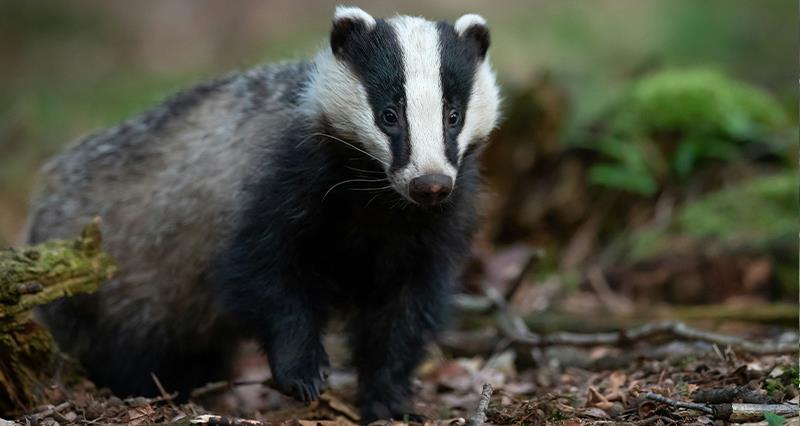
However, with government effectively ending wildlife control in England, cattle vaccination being delayed until at least 2030, and questions remaining about the practicality and cost-effectiveness of badger vaccination, there are concerns that the gap in viable management methods could undo hard-won progress.
‘Much more to do’
NFU Deputy President Paul Tompkins said it was “thanks to the collective efforts of farmers, vets and government” that England has seen a reduction in the number of cases of bTB.
“But there’s much more to do. TB continues to devastate farming families and their herds. That’s why this strategy is so important and we back its goal of building on the progress achieved so far.
“We now need a clear process and timeline for delivery, and some real urgency which has been lacking in recent years.”
Science and evidence must be at the core
The NFU has always maintained that science and evidence must be central to bTB strategy. APHA’s Birch paper, the Godfray review and the Down’s report – three peer reviewed studies conducted at scale – show the significance of wildlife control in helping control bTB.
“Using our voice on the Steering Group, we’ve been very clear that TB policy should be led by science and evidence, not politics,” Paul continued. “No single method can eradicate this disease – we need access to every tool which is scientifically proven to work, including very targeted wildlife control where needed. It’s by using all these measures together that we can achieve eradication.
“However, there are some areas within the strategy that still need further development, not least how TB will be controlled within the badger population and a focus on delivering an effective DIVA test. We should not be rolling out cattle vaccination without it.
Work must continue at pace
“This strategy is only the first step. I hope the ambition which underpins it is a sign of renewed energy when it comes to delivering real outcomes at pace, because any gap in our TB eradication arsenal risks undoing all the progress from the past decade.
“The NFU will continue to work with government and industry to further shape the strategy and drive forward our shared ambition – a world where both farmed and wild animals are TB free and can thrive.”
Sources: GOV.UK | Quarterly TB in cattle in Great Britain statistics notice: December 2025