“The deal will provide exciting opportunities for our farmers and growers.”
NFU President Tom Bradshaw
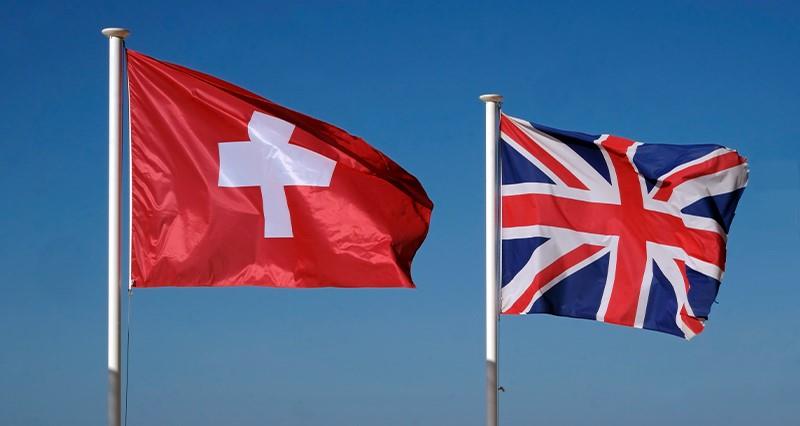
On 13 July 2026, the government announced that it had concluded negotiations with Switzerland on an upgrade to the existing FTA (Free Trade Agreement), which the UK had inherited when it left the EU.
Extensive NFU engagement, including a letter to the Minister for Trade, has helped secure unprecedented preferential treatment for British beef and sparkling wine, as well as several other key tariff reductions for livestock, dairy and horticulture.
NFU President Tom Bradshaw said: “This is a great example of a balanced deal. We appreciate the government’s efforts to secure competitive access to the Swiss market for UK farmers – something the NFU has called for since the very start of these negotiations.
“The deal will provide exciting opportunities for our farmers and growers. It’s actually the best access that Switzerland has ever given a trading partner on fresh boneless beef and sparkling wine.”
Since the UK started negotiating this agreement with Switzerland in 2022, the NFU has been lobbying for improved market access for agricultural products to ensure UK producers benefit from the deal.
The NFU first reached out to members to feed into discussions upon the launch of the government’s consultation on the UK’s current trading arrangements with Switzerland, calling on government to secure an ambitious deal and outlining members’ interests.
Since then, ten rounds of negotiations have taken place, with the NFU regularly engaging with government negotiators to ensure the deal created opportunities for British farmers and growers.
This culminated in a letter to the Minister for Trade Chris Bryant in June 2026 calling for government to secure a competitive foothold, particularly for beef, lamb and dairy.
Meat and dairy consumption remain high in Switzerland and securing competitive access for these products has been one of our key asks throughout the negotiations.
High standards maintained
Not only is the Swiss market close in proximity to the UK and high value – food prices are 73% above the EU average – it is also known for its high production and welfare standards.
There is nothing in this agreement that will compromise the UK’s high food standards and imports will have to meet UK food safety and biosecurity standards.
In March 2026, Switzerland and the EU agreed to establish a Common Food Safety Area administered on a principle of dynamic alignment.
This means that Switzerland simultaneously applies all relevant EU regulations, including future changes to those regulations, regarding agri-food rules in scope in its territory.
Consequently, under the forthcoming EU-UK SPS (Sanitary and Phytosanitary) agreement, the UK and Switzerland will both work to the EU rule book for sanitary and phytosanitary legislation and consequently Swiss standards will align with those expected of UK producers.
To find out more about the UK’s SPS negotiations with the EU and dynamic alignment, watch our webinar series: Watch again: Learn how aligning with the EU will affect your farming sector
What this means for sectors
While trading conditions for poultry meat, pork and eggs will not change under the terms of the agreement, the government have listened to the NFU’s calls and secured improved market access for beef, lamb, dairy and some horticultural products, as well as the potential to expand exports of sparkling wine to the country.
The government has not commented on any changes to the current market access conditions for sugar or sugar beet.
Find out what has been agreed for each of the sectors.
Livestock
The government has negotiated a 35% reduction in the duty applied to fresh boneless cuts of beef exported to Switzerland. This represents the most preferential market access terms that Switzerland has ever offered a trading partner on beef and places UK farmers at a competitive advantage over other global suppliers.
The improved access for British beef is especially welcome. In recent years, we have seen growth in Swiss imports of British beef, with average annual trade between 2023 and 2025 being valued at £3.2 million.
The government has secured an elimination of the in-quota duty for our lamb exports to Switzerland, meaning that the vast majority of our exports will be traded tariff free. This places our lamb producers at a competitive advantage relative to other global producers.
UK lamb exports to the country have increased and were valued at more than £5.5 million in 2025. The improved market access negotiated in this should help to facilitate further growth in these exports.
Swiss exports of lamb remain excluded from the FTA.
Dairy
While trade in many dairy products, including some cheeses including cheddar, is already liberalised between the UK and Switzerland, there will be improved market access for a select number of dairy products.
Tariffs will be reduced by up to 50% across some dairy product lines, including milk powder.
In return, Swiss producers will benefit from improved trading conditions for a limited number of dairy lines.
Ensuring that any market access concessions for Swiss dairy products were balanced with new opportunities for British exporters was a key NFU ask throughout the negotiations.
Horticulture
There have also been a small number of improved market access conditions negotiated for some British horticultural products.
The UK government has negotiated a 34% reduction on the tariff placed upon British exports of sparkling wine to Switzerland, meaning British winegrowers will have better access than our closest competitors to the Swiss market.
There will also be improved seasonal access for UK horticultural products, with tariffs falling as low as 0% on a wide range of products, including peas, carrots and broad beans.
What happens next?
Now that negotiations have concluded, the UK and Switzerland will finalise the legal text of the Free Trade Agreement and produce a legally binding treaty.
This process will be finalised by the signing of the completed treaty text over the next few months.
Following two report stages by the UK’s independent TAC (Trade and Agriculture Commission) and then the government, the deal will be subject to pre-ratification scrutiny procedures under the CRaG (Constitutional Reform and Governance) Act.
Any legislative changes required to give effect to the FTA will then need to be scrutinised and passed by Parliament before ratification of the agreement can take place.
The agreement becomes legally binding when both the UK and the Swiss have completed their ratification processes.