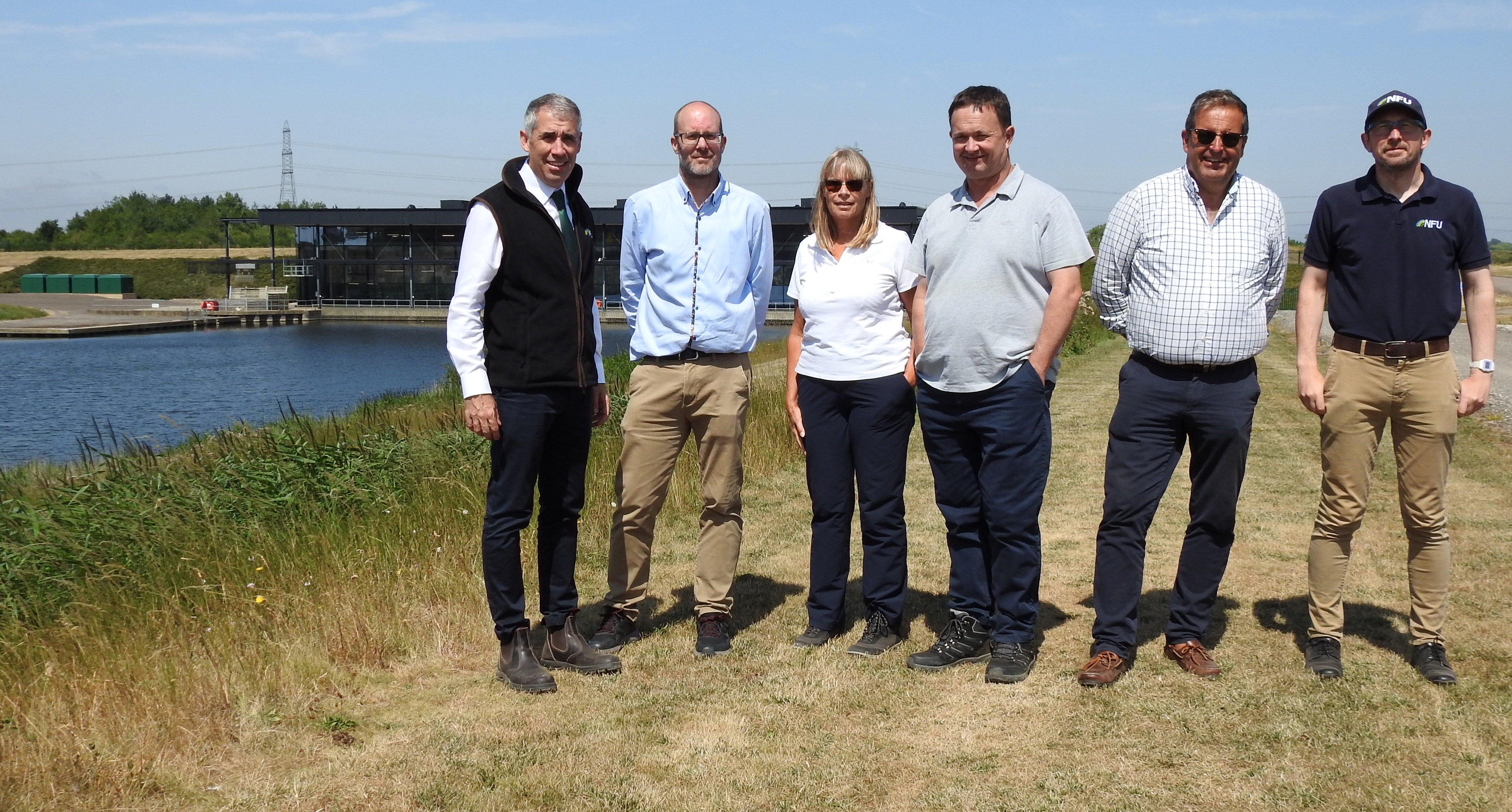
The day highlighted the challenges in a man-made system where the MLC (Middle Level Commissioners) have been managing water levels in the Fens since 1862.
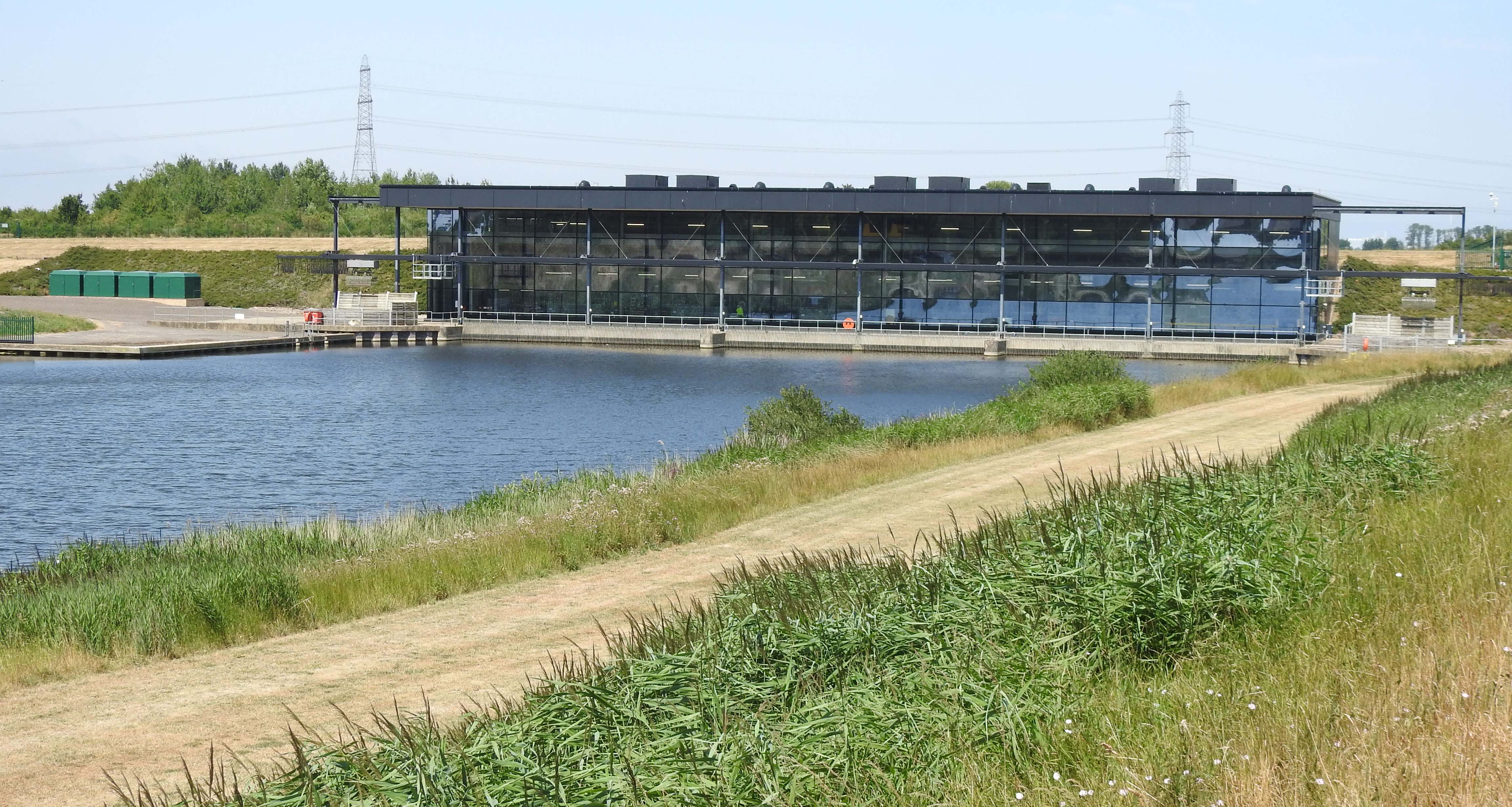
A tour of the modern St Germans pumping station, the largest in the UK, contrasted with other areas in the system that are still operated by hand.
MLC CEO Paul Burrows explained that, although the MLC is widely recognised for its drainage and flood protection responsibilities, it provides a vital water supply service for irrigated agriculture during dry periods, when the waterways effectively become a 170km linear reservoir.
He said it was important to realise how much active management is required, yet this water resource role is neither properly recognised in law nor supported through dedicated funding.
“This is completely out of sync with how government and society are now talking about the value of water and the importance of the water scarcity agenda,” he said.
“We have no direct legal duty to provide this water resource service, but if we didn’t, farmers couldn’t irrigate their crops in summer, the local natural environment would be damaged and our rivers would not be navigable.”
““The NFU is clear that homegrown food production must be treated as part of our nation’s critical infrastructure, and access to a secure water supply is a crucial element of that.”
NFU Deputy President Paul Tompkins
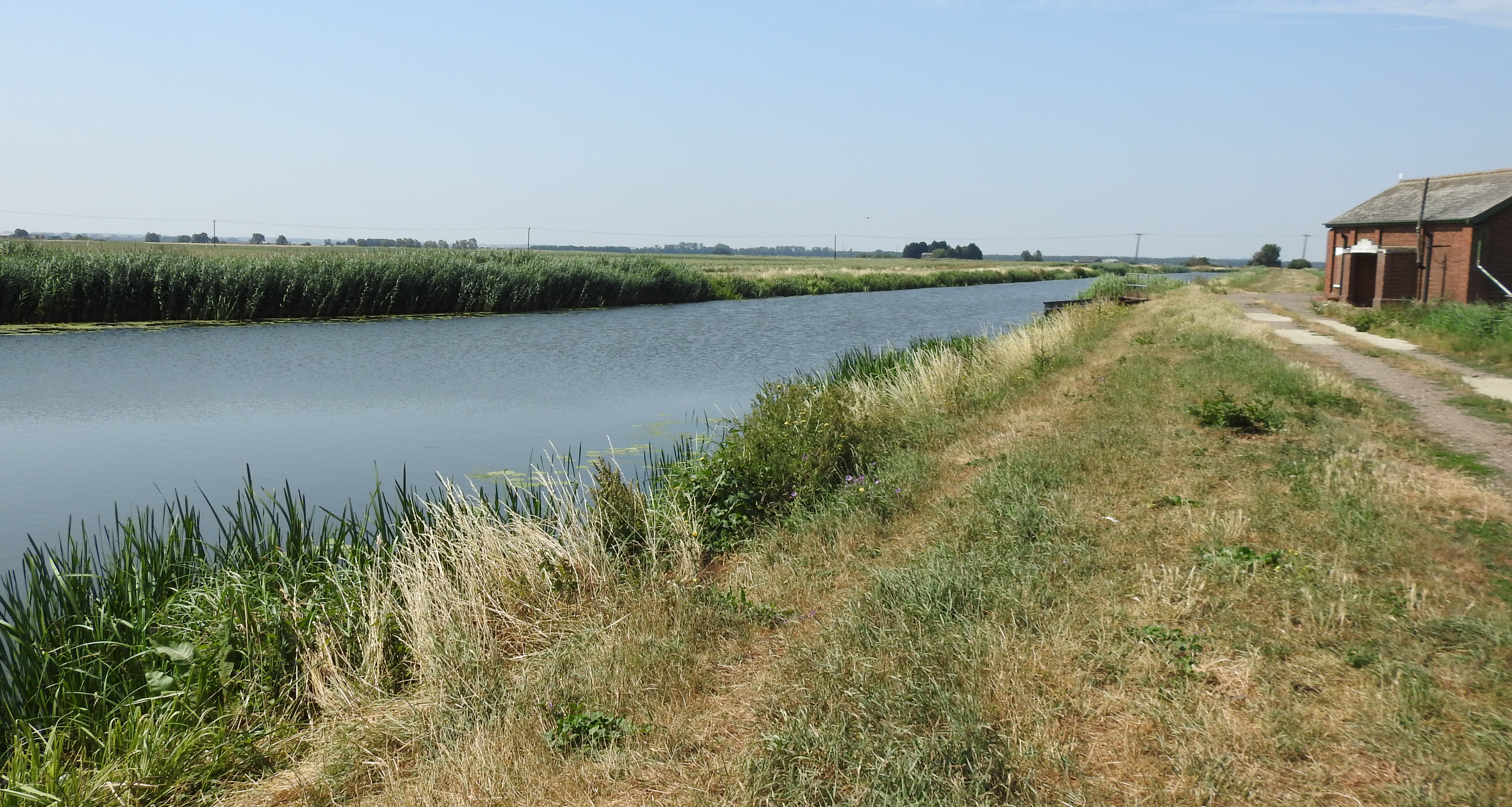
MLC Head of Water Level Management Jon Fenn set out how the MLC, an NFU member, worked closely with the Environment Agency and Anglian Water.
“We can’t make water but we can make the best use of it that we can,” he said.
Mr Tompkins was joined on the visit by NFU Cambridgeshire County Chair Alison Morris, NFU Council Representative Mat Smith and National Water Resources Specialist Mark Betson.
The day started at Stanground Lock in Peterborough, where water is drawn into the system from the River Nene.
The group then went to Bevill’s Leam Pumping Station, where they discussed the interrelationship and interdependence between the smaller Internal Drainage Boards (IDBs) and the MLC system.
After a stop to look at the site of the planned Fens Reservoir, the trip finished at St Germans Pumping Station, where discussions included the MLC’s ambition to become net zero for electricity.
Jon Fenn outlined how changes in farming practices are adding to the challenges.
“Twenty years ago, the water was mainly taken by small family farms, which didn’t work at weekends or at night.
“Now, we’re seeing large farm businesses specialising in certain irrigated crops and wanting water 24/7 at peak times. That is putting pressure on the system,” he said.
Lack of funding is a key concern, with no capital grants available for new infrastructure or the refurbishment of crucial assets linked to water resource management.
Much of the network is still operated by experienced staff rather than modern automated systems.
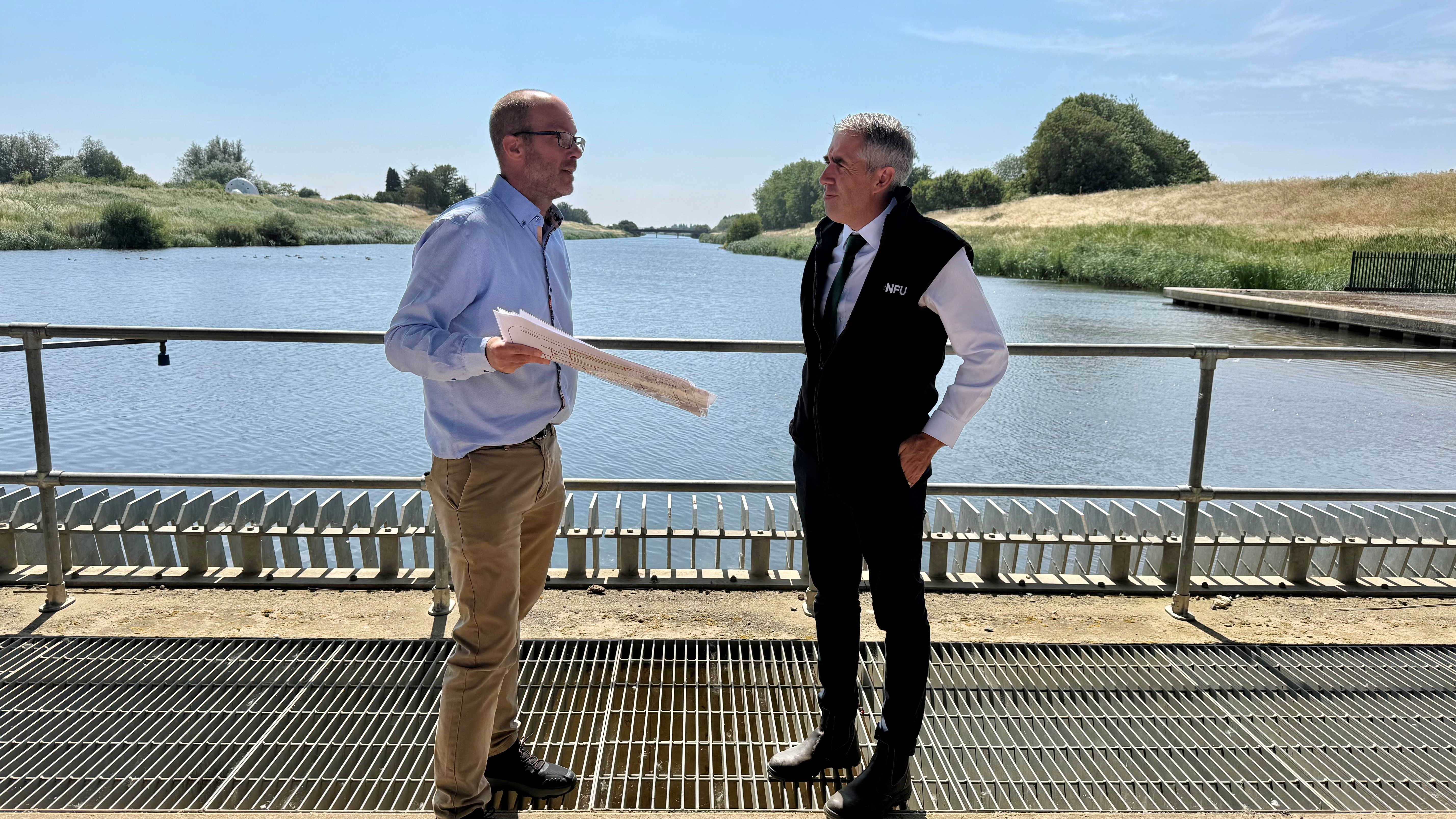
Mr Burrows highlighted the recent Fens 2100+ Case for Change report, which talked of the increasing pressure climate change is putting on the integrated network of tidal and main river defences protecting people, property and the environment of the Fens.
By 2040, 31% of this network is predicted to be beyond the end of its foreseeable design life.
The report says that investment of between £6 billion and £9.4 billion will be needed to protect the region and allow for regional growth, with half of this investment required within the next 40 years.
Paul Tompkins said: “This was a timely visit during a summer that’s seen record-breaking heatwaves and prolonged dry weather.
“It demonstrated how the Middle Level is increasingly important for today’s challenges of water security, food production, environmental management and climate resilience, yet its legislation, funding and infrastructure remain rooted in a drainage model from yesterday.
“The NFU is clear that homegrown food production must be treated as part of our nation’s critical infrastructure, and access to a secure water supply is a crucial element of that.
“We want to see wider recognition of the role of the MLC, and other IDBs, as water level managers, with adequate funding and investment so the system can continue supporting farming while meeting future water scarcity challenges.”