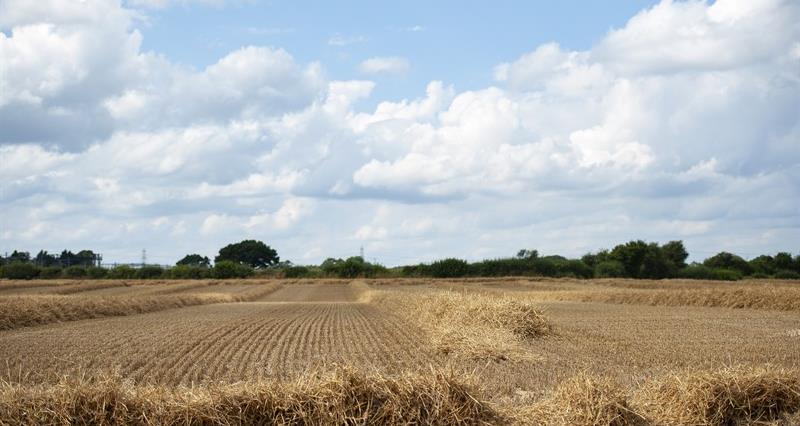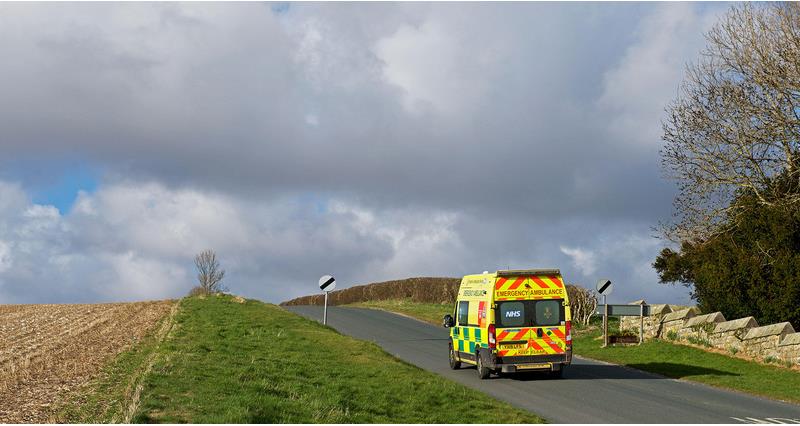
Agricultural workplaces and farms are usually in rural or isolated areas where ambulances may take longer to arrive. Having first-aid equipment available is part of health and safety requirements and demonstrates a duty of care to workers and visitors.
The main things you will need are:
Get the right first aid training
Feeling confident about taking the right action is crucial, and training courses can be free or low-cost.
Consider taking a basic first aid course, especially one that covers severe bleeding and trauma.
Farm-based courses
- Farmers Aid – from RABI
- EDUCATION – Free Training Available - YellowWellies.org
- First Farmer on Scene | Midlands Air Ambulance Charity
- Farmer Down | Dorset and Somerset Air Ambulance Charity
- First Farmer on Scene | Midlands Air Ambulance Charity
- First Aid – Lantra
- First Aid | Qualsafe
- Farming & Forestry First Aid – F3A
- Course Finder – UK Rural Skills
General courses
First aid kit – what you need
With the variety of incidents likely to occur on farm, your first aid kit needs to be able to respond to many different injuries and traumas.
First-aid kits for the workplace must comply with BS 8599-1:2019. Personal first aid kits should comply with BS 8599-3. It is important to remember that a farm is a workplace, so a suitable first aid kit is a legal requirement. If you are a self-employed worker, you are also required to ensure you have suitable equipment, to provide first aid to yourself while at work.
Due to the many working areas in agriculture, multiple first aid kits are recommended. For example, one in the house, one in each vehicle/tractor, one in main work areas such as barns or parlours.
Your main workplace first aid kit should include:
• Eye wash kits
• Sterile wound cleaning kits
• Skin closure strips
• Foil blankets
• Adhesive tape
• Triangular bandages
• Minor to moderate wound dressing kits
• Nitrile gloves
• Trauma shears/scissors
• Eye dressings
Kits need to be regularly reviewed to ensure items are not out of date, and items should be replaced immediately after their use.
Compact trauma kits
Smaller kits, such as IFAK (Individual First Aid Kit), are perfect for vehicles and quad bikes. These compact trauma kits are designed to treat life-threatening injuries, primarily severe bleeding and airway obstruction.
Individual First Aid Kits contain extra items such as:
- Tourniquets to control significant limb bleeding
- Chest seals to manage penetrative chest injuries
- Haemostatic dressings to promote rapid blood clotting
- Trauma dressing kits
- Whistle or signal light, or other means of attracting attention
- Splints
Kits should be kept in an easily accessible location. They should be near green and white first-aid signs and prominently displayed so they can be located quickly.
By law, you must inform employees about first-aid arrangements, including where First-Aid kits are kept.
All kits should be waterproof and dustproof, and checked regularly.
Kits should be kept in an easily accessible location. They should be near green and white first-aid signs and prominently displayed so they can be located quickly.
Expired or used items should be replaced like-for-like.
Include emergency contact numbers and locations with the kit or signage.
A What3Words location or OS map grid reference of the location can be helpful when calling emergency services.
Be prepared – what to do if someone becomes ill or injured on the farm
Firstly, maintain your own safety. Don’t put yourself at risk and make yourself a patient.
- If it is safe to do so, remove the risk, turn off machinery.
- Call for help: shout “HELP, HELP, HELP!” to get someone nearby to come and assist you.
- Call 999 and ask for the Ambulance Service. You will be put through to a call taker who will ask for:
- your location
- telephone number
- whether the patient is conscious and breathing.
- Depending on your answers, you will then be asked a series of triage questions.
- The call handler will then create the highest priority response for the most seriously ill and injured patients. They may even create a response involving specialist services such as your local air ambulance, the hazardous area response team, and other emergency services.
- The call taker will give you advice on delivering any further first aid that is needed, like CPR, bleeding control and cooling burns.
- You will be given advice over the telephone, so you don’t have to remember everything that you may learn on a first aid course, but it will help!
For minor injuries and illnesses, contact your local GP, 111 or access a Minor Injuries Unit or an Urgent Treatment Centre.
The NFU would like to thank Claire Baker, Specialist Practitioner – Critical Care, from Dorset & Somerset Air Ambulance for her expert advice and the help with this article.