SFI 2026 finalised guidance was published on 17 June 2026. It is now available for farmers to consider in advance of the first application window opening later in June.
If you have previously read the near-final version of this guidance, there have been a small number of changes made.
You can easily identify these changes in the change log by navigating to the base of the page and selecting ‘Show all updates’ beside the ‘Last updated’ timestamp by visiting: GOV.UK | Sustainable Farming Incentive 2026 (SFI26): scheme information
The further detail includes the 71 actions making up the 2026 offer, as well as additional details on the implementation of the application window, including the phased rollout of the application process. There is also additional detail about the anticipated length of Window 1, with it being planned to be open for two months or until the funding is allocated.
NFU consistently raised the need for members to know the budget allocation for Window 1, that has now been confirmed as £60 million.
As a reminder, two application windows will be running in 2026 for SFI. The first will open later in June to allow small farms, meaning those up to 50Ha in agricultural size, and/or those without an existing ELM revenue agreement, to apply. The second window will open in September for other eligible farmers.
Applicants will be restricted to one SFI26 application per farm business.
Further information, including a full breakdown of the changes for the new offer, can be found on our dedicated NFU page at: SFI – scheme guidance and information.
You can also track the NFU’s ongoing lobbying work on SFI via our timeline.
Further information on all of the announcements made at NFU conference can be found at: NFU26: What did the Defra Secretary announce at NFU Conference?
2. SFI 2026 application windows reminder
Following the publication of SFI guidance, information is now available regarding the application windows and how they will operate.
The details regarding Window 1 have begun to be shared, this includes details of the controlled rollout, the formal opening date and the support available to help small farms apply for the scheme.
Defra has confirmed that a small number of eligible farmers will be being invited to apply for Window 1 to test the application service – this will be taking place from roughly 18 June onwards.
This phased rollout is to address any final issues which may present themselves in the application process in advance of the full opening of Window 1.
Window 1 will then open in full from 30 June onwards. This is expected to be open for two months, but may close earlier if all of the allocated budget is allocated.
Defra will be publishing updates on how much of the budget has been allocated on the Defra Farming Blog – it intends to share updates when 25%, 50% and 75% of the funding has been allocated.
For Window 2, the eligibility remains for those who are not eligible to apply during Window 1. Defra has reiterated that Window 2 will open in September 2026 for all SFI eligible farmers and land managers.
Further information, including additional details regarding the application windows, can be found on our dedicated NFU page at: SFI – scheme guidance and information.
The key reminder here is to ensure you understand the purpose and function of both the annual declaration and the rotational annual declaration, as despite their similar sounding names, both declarations perform a distinct function. Without both, the continued management of an SFI agreement becomes stalled and payments may be delayed or agreements ended as the rules have not been met as a result.
Annual declaration: This declaration is your confirmation to the RPA that you have delivered against what was agreed during the agreement year coming to a close.
- Ensure you have the most recent copy of your agreement to hand to confirm the details of your annual declaration, especially if you have rotational actions which may have changed location since your first agreement year.
- Check the deadlines for when you need to submit.
- Managing multiple agreements: Where a business has multiple agreements in place, it will be important to ensure they are cross referenced with one another. Different schemes operate on different calendars; for example Countryside Stewardship operates on an annual calendar basis, January to December, while SFI does not for most agreements without a 1 January start date. In some cases, schemes can “overlap” with one another causing issues, particularly when dealing with rotational actions. It will be important to consult any other agreements that might be in place and ensure that these do not unintentionally create any blockers when dealing with scheme administration.
Rotational action declarations: This declaration confirms your intentions for the year ahead, establishing where rotational actions will be located for the forthcoming year.
- The first point to consider on the declaration is the location of the rotational actions.
- The second point is whether or not the area for that rotational action will increase or decrease as a result of the new location (please check your agreement to see if you can increase your area of rotational actions).
- Additionally, please refer to your SFI agreement to see what flexibilities are allowed for the increase or decrease in rotational actions for the coming year. Remember, there is a rule that states that at least 50% of the action area for year one continues in later years.
- Remember, these changes impact on the future total annual agreement value and quarterly payments.
Visit our SFI essential information page for all the key information on completing the annual and rotational declarations for SFI agreements.
4. ELMs capital grants claim reminder and update for 2026
If you have an existing capital grants agreement, make sure you have submitted your claim forms for any completed works.
- Capital grant agreements are for three years, throughout which a claimant can claim for completed works within this period. There are specific rules on partial claims, and these will be covered in the RPA guidance and your agreement document.
- It is important for claimants to read and ensure they understand the requirements when claiming, such as the specific rules over photographic evidence and additional details the RPA may need to see as evidence.
- A key point to consider is whether or not the works claimed for allow partial claims, as there are specific rules for some works which can only be claimed on completion.
- From a cashflow management perspective, the RPA aims to pay claims within 2 months of their submission, so this is worth bearing in mind when preparing to submit a claim, and when scheduling any further works within the three-year period.
- Further information on the Capital Grants offer, including any updates on exceptional circumstances which left a business unable to apply on specific parcels can be found on our Capital Grants essential information page. The RPA has started to contact those that fall into the exceptional circumstance category about what they need to consider.
2026 offer – at NFU Conference, Defra Secretary Emma Reynolds announced that capital grants would be returning in 2026 with additional funding. They will open for applications in July 2026, with a budget of £225 million, increasing from £150 million in 2025.
Further details can be found on our dedicated capital grants 2026 guidance page.
With the closure of the FETF 2025 offer for claims, except those with certain items who were given an extension due to supply chain difficulties, the majority of members will now be looking to their FETF 2026 application and be waiting on RPA’s decisions on successful applications. We expect decisions for FETF to land at the end of June onwards.
See our FETF26 essential information page for more information and watch our member-exclusive webinar: FETF 2026 explained.

- The ADOPT scheme is ongoing, and aims to promote on-farm trials of innovative technology and support members to adopt equipment they would otherwise be unable to, while also allowing for practical testing of novel solutions in a working farm environment.
- Other competitions also include the Farming Innovation Investor partnerships.
Our FIP page has all the latest information and deadlines.
Round 8 of the ADOPT scheme is currently open for applications and will close on 29 July at 11am.
For Round 8, the total amount available had increased from £100,000 to £200,000.
Visit our essential information page to stay up to date.
7. CS and ES claim window (late submissions until September)
2026 agreement holders will need to submit their agreement claims during this year's claim window.
- Agreement holders can submit their claims before 15 May to avoid any reductions; submissions after this date will incur a reduction.
- The claim window will stay open until 1 September for any remaining claims to be made – claims will not be accepted after this date.
- A new announcement was made outlining new support for poultry keepers. These visits will be for biosecurity advisory reviews. Further details are expected later this summer.
- The pathway has seen a number of developments and is now available for farmers with multiple species and multiple distinct flocks/herds of the same species within the same business. The initial animal health and welfare visit has been expanded to include a follow-up visit focusing on endemic diseases for cattle, sheep or pigs.
- A new element of the pathway was introduced in 2026, Poultry Biosecurity Reviews, covering Poultry keepers and supporting them in the prevention of Avian Influenza – find out more on our essential information page.
- Further information, including payment rates and eligibility criteria, can be found on our essential information page.
- For 2026, the delinked payment reference amount is expected to be reduced by 98% for the first £30,000 and 100% for any reference amount above this level. This means the maximum amount a farmer will receive is £600. This, and 2027 payments, will be issued as a single instalment from 1 August.
Visit our delinked payments essential information page to stay up to date.
10. Farming in Protected Landscapes
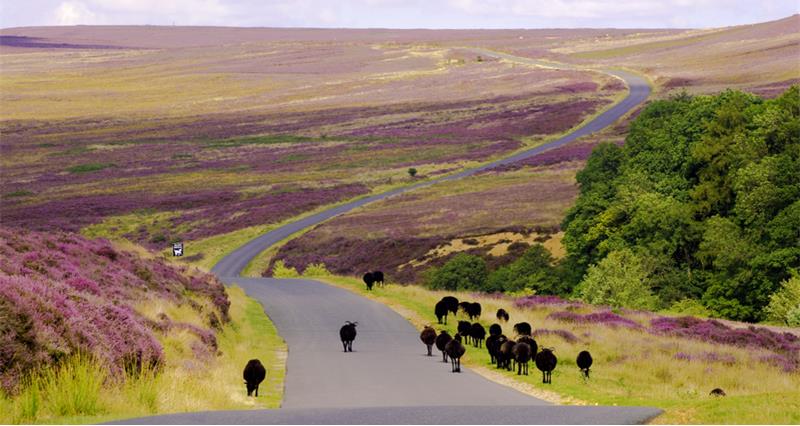
The FiPL (Farming in Protected Landscapes) programme continues to fund projects that:
- Support nature recovery.
- Mitigate against the impacts of climate change.
- Provide opportunities for people to discover, enjoy and understand the landscape and its cultural heritage.
- Protect or improving the quality and character of the landscape or place.
This scheme was originally scheduled to expire in March 2026, however the government has committed to extend the scheme for a further three years.
It will now run until March 2029, or until all the available funding is allocated.
Read our FiPL essential information page to stay up to date.
11. What to do if you're unhappy with an RPA decision

- Sometimes things do not go to plan when dealing with the RPA, whether it is a mistake, system error or a misunderstanding. The impact on members and their businesses can be significant, not only from a financial standpoint, but also from a mental health perspective as well.
- Submitting a complaint to the RPA is divided into two distinct categories which have different processes depending on whether they relate to a decision made by the RPA, or whether it relates to poor quality customer service.
- The NFU has guidance available on how to prepare an initial query, as well as further information on who to contact if you wish to raise a customer service complaint as well.
- The RPA has recently updated its complaints guidance for grant funding schemes; a new form is now available to capture the details for queries across a wide range of schemes, with a new centralised inbox to address these. Further information can be found on our dedicated guidance page.
Read our explainer on the RPA complaints and appeals process.