NFU calls for stronger import controls after Salmonella found in eggs from Ukraine
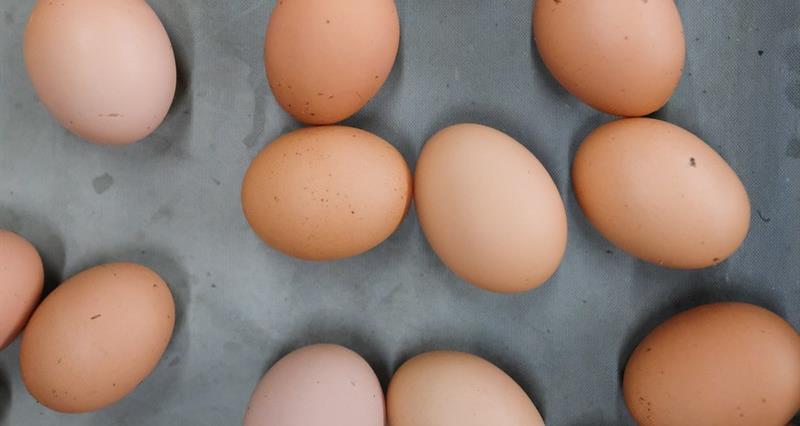
The NFU has renewed calls for imported food to meet the same standards as British produce after eggs supplied by one Ukrainian business were found to be contaminated with Salmonella Enteritidis.
The NFU is calling for stronger import controls and more effective border inspections following confirmation that eggs imported from one Ukrainian food business were contaminated with Salmonella Enteritidis.
The FSA (Food Standards Agency) has issued a Food Alert for Action instructing businesses to withdraw the affected eggs from the supply chain immediately and, where they have been sold at retail, recall them. Consumers who have bought affected eggs have been advised not to eat them and to dispose of them at home.
NFU Poultry Board Chair Will Raw said: “The NFU has been warning for more than a year about the risks associated with the significant increase in the volume of egg imports from overseas countries whose production standards are lower than ours, so confirmation of a link between Ukrainian eggs and cases of Salmonella in the UK is deeply concerning, though not entirely surprising.
“This is a stark reminder that imported food must be held to the same standards as British produce. We need stronger import controls, effective border inspections and a robust system of core production standards that applies equally to imports and domestic production.
“The public rightly expects the food they purchase to be safe, regardless of where it originates. Until assurances on standards for imported products are in place, consumers should remain vigilant and choose British to support high food safety, animal welfare and production standards.
“The NFU will continue pressing government and regulators to ensure food imports are properly scrutinised and that the reputation of the UK's world-leading egg sector is protected.”
Salmonella cases linked to imported eggs
The UK Health Security Agency found Salmonella Enteritidis in samples of eggs from one Ukrainian supplier.
Whole genome sequencing showed that the strain found in the eggs was genetically different from the strains linked to the separate, ongoing Salmonella outbreak investigation.
However, the strain found in the imported eggs was associated with 36 cases of Salmonella infection reported in England in 2026.
The affected eggs were supplied mainly through wholesalers and the catering supply chain, although some may also have been sold by smaller retailers. They were not sold by major supermarket chains, and the FSA has confirmed that eggs produced in the UK are not affected.
Businesses should check the FSA’s latest information and Food Alert for Action for details of the affected products and the action they should take.
Significant growth in Ukrainian egg imports
The NFU has repeatedly highlighted significant concerns regarding the scale and speed of the increase in egg imports from Ukraine.
In 2025, the UK imported more than 15,400 tonnes of Ukrainian eggs, over 19 times the volume imported in 2024.
From January to July 2026, every month saw the UK import more Ukrainian eggs than in each corresponding month in 2023, 2024 and 2025 combined. This makes it almost certain that the total volume imported in 2026 will be higher than the total recorded in 2025.
Until the much-needed assurances on standards for imported products can be made, consumers are reminded it is best practice to purchase UK hen eggs, as this ensures the products have been produced to high animal welfare and food safety standards.
The FSA considers eggs produced under the British lion code and Laid in Britain assurance schemes to present a very low risk of Salmonella. Good hygiene and food handling practices should always be followed as best practice.
When shopping or eating out, consumers can look or ask for the Union flag and ask whether eggs are sourced from Britain. The British Lion Code or Laid in Britain assurance schemes provide additional traceability and assurance that eggs have come from hens vaccinated against Salmonella.
The FSA advises catering businesses to source eggs from reputable suppliers that can demonstrate the traceability and provenance of their products. Its guidance states that, because of the risk of Salmonella, purchasing UK hen eggs is best practice.
Further information is available in the FSA guidance on the safe storage, handling and use of eggs for catering.