The partnership, which includes the NFU, has been forged as part of the OSR (oilseed rape) reboot initiative, led by United Oilseeds.
It has examined the evidence and compiled a top ten list of strategies to improve confidence in growing oilseed rape.
The reboot initiative has brought together 57 key players from across the industry to drive a sustainable boost for homegrown OSR (oilseed rape), including the NFU, AHDB, AIC and a number of processors and research institutions.
OSR plantings at their lowest
Average OSR yields in England have dropped from over 3.5t/ha, to 3.0t/ha over the past decade, coinciding with the ban on neonicotinoid seed treatments.
The ban, alongside resistance to alternative chemical controls, has led to greater establishment risks, and the resulting lower yields have seen many growers drop the crop entirely, leaving OSR plantings in the UK at their lowest since 1983.
Domestic production falls far below demand from the processors, who are supplementing supply with imports from countries across the world, including Ukraine, Australia and Uruguay, often where neonic seed treatments are still in use.
New guidance

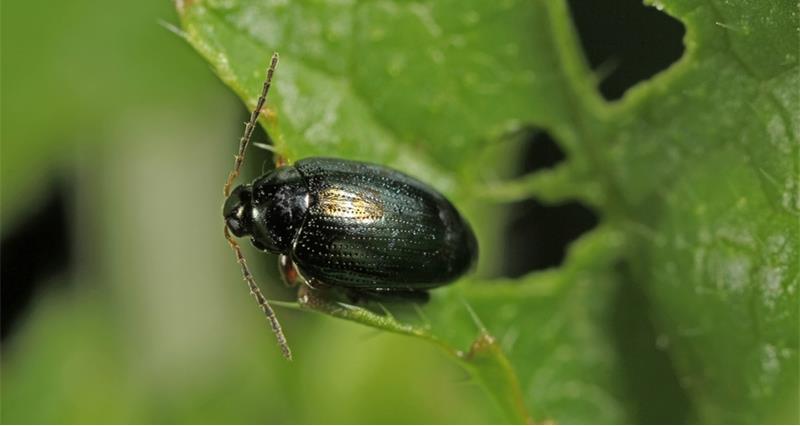
The industry OSR reboot initiative aims to advocate for policies that level the playing field, promote sustainable farming practices that alleviate the pressures of CSFB (cabbage stem flea beetle), and restoring the profitability and viability of the UK OSR crop.
The main objectives of the initiative are to restore UK OSR self-sufficiency, boost economic growth, reverse biodiversity declines and provide a level playing field for UK farming. Individual working groups have been established, focussing on agronomic, policy and breeding related solutions.
The OSR reboot initiative has recently issued updated guidance for growing OSR, published by AHDB. Put together by expert agronomists and researchers from across the industry, the new guidance reflects the latest findings from trial results and anecdotal evidence, covering aspects of CSFB management including:
- establishment tips
- seed choice
- nutrient management
- crop location
- the importance of soil moisture, and
- the use of companion cropping.
Below, we have highlighted the areas of the new OSR reboot guidance that focus on autumn establishment, but the full guidance can be found on: AHDB | Top 10 cabbage stem flea beetle management strategies for oilseed rape.
Ditch the date
Traditional sowing dates of late August/early September clash with the peak migration times of adult CSFB, making emerging plants especially susceptible to adult feeding. Instead, opt for early (early-mid August) or late (mid-September onwards) sowing dates.
Chase perfection at establishment
Strong establishment is crucial to improve plant tolerance to feeding damage, especially if opting for late sowing dates. Soil moisture is essential, along with ensuring good seed-to-soil contact. If possible, rolling twice (in directions 90 degrees to each other) can improve contact and retain soil moisture, as well as reducing potential slug activity.
If late sowing, choose seed of a vigorous variety and of good quality. Leaving stubble from the previous crop can encourage the presence of natural predators, such as spiders, which target adult beetles entering the crop.
Improve larval tolerance
The recommended seed rate of 50 to 60 seeds/m2 encourages larger and more vigorous plants through the spring, providing more tolerance to the feeding of CSFB larvae. A variety with early spring growth and high biomass can also support tolerance to larval feeding.