Defra encourages farmers to join user panel shaping its services
Farmers in England can join the department’s ‘Farming and Countryside user research panel’, where they will be asked to test prototypes, give feedback and help build services that work in practice. Research might include interviews, surveys or testing early versions of a service.
Defra is keen to hear from farmers with a range of experiences, including farmers who are neurodiverse, to make sure new tools and systems reflect the diversity of the farming community. Register your interest on GOV.UK.
Those on the research panel can expect to be contacted every few months with new research opportunities with sessions lasting between 30 and 75 minutes with farmers able to choose how often they want to take part.
Research opportunities include; naming the new farming portal, testing funding applications with upland farmers, and improving the nutrient management planning tool (NMPT).
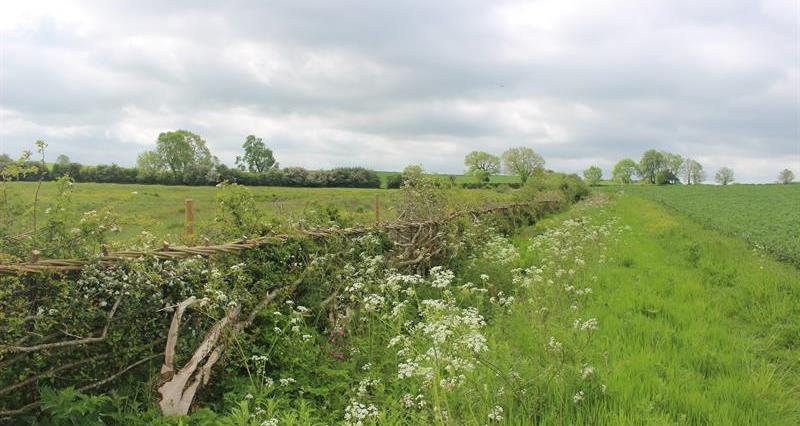
The SFI will pay farmers to adopt and maintain sustainable farming practices that can protect and enhance the natural environment alongside food production, and also support farm productivity, optimising the use of inputs and making better use of natural resources.
It contains actions that most farmers can undertake across the whole farmed landscape. This includes reducing inorganic fertiliser and pesticide use, taking care of our soils and improving farmland biodiversity, water quality, air quality and carbon sequestration.
For more information on SFI, visit our guidance at: SFI — scheme guidance and information.
Farmers have flexibility to choose the combination of actions that works for their farm. The SFI actions are less prescriptive (eg, removal of dates for actions to be undertaken, wider eligibility, removal of area restrictions) and allow farmers to decide how to achieve the action’s aims.
Applications have been suspended while Defra develops a ‘reformed and more targeted’ offer. More detail on this is expected to be published later this summer.
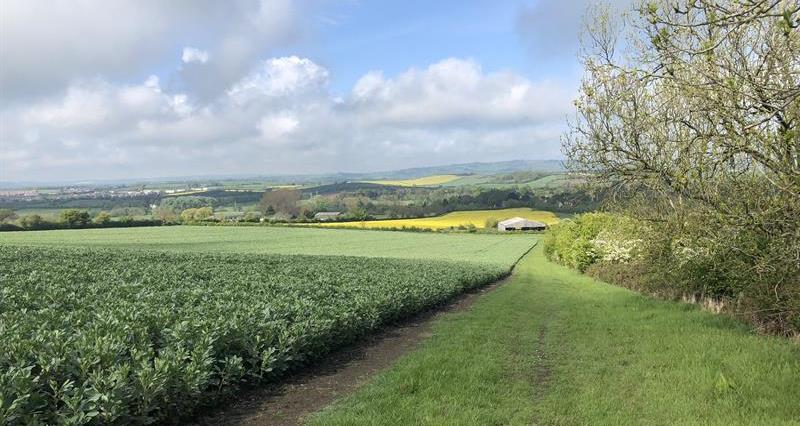
Countryside Stewardship provides financial incentives for farmers to look after and improve the environment. The Higher Tier agreements will be bespoke, developed with the input of Natural England or Forestry Commission advice.
Agreements will vary in length from 5 to 20 years.
Find out more by reading our guide to Countryside Stewardship: Information on Countryside Stewardship Higher Tier.
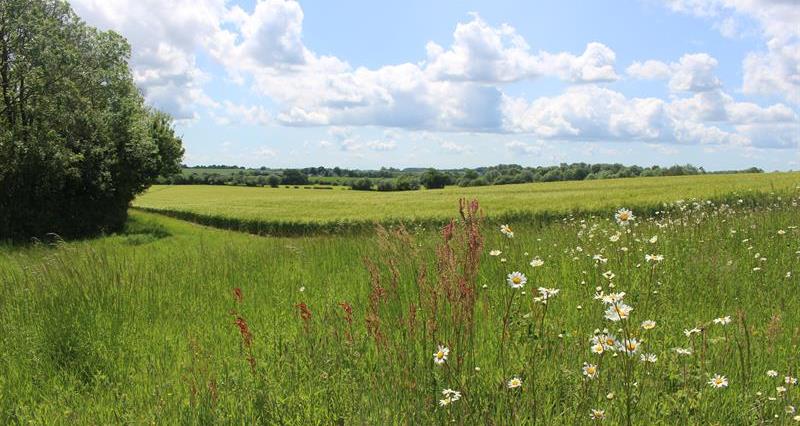
Landscape Recovery will pay landowners or managers who want to take a more radical and large-scale approach to producing environmental and climate outcomes through land use change and habitat and ecosystem restoration.
To date, there have been two calls for bids to develop landscape recovery projects. There will be a further round.
You can find out more by visiting: Everything you need to know about the Landscape Recovery scheme.
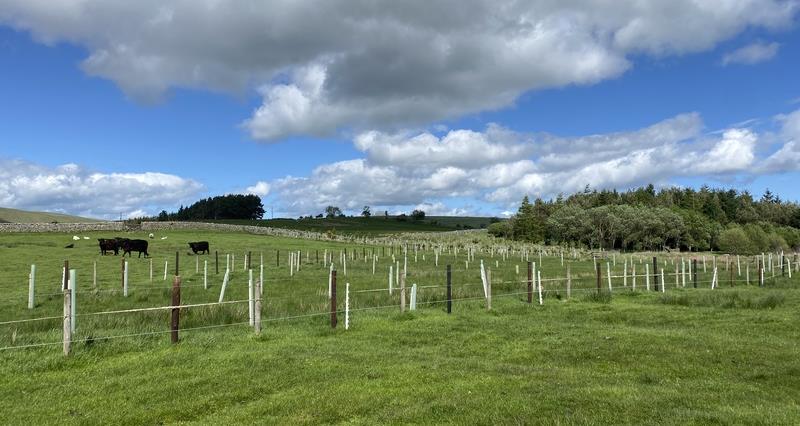
Capital grants offer funding for a wide range of projects from tree planting and flood prevention to improved slurry storage and water filtration.
There are 78 items available ranging from planting hedgerows for biodiversity, introducing natural flood management measures, and measures to improve water quality such as new livestock equipment.
Find out more on our page: ELMs capital grants – essential information
We've outlined key information and changes for those already in Environmental Stewardship, Countryside Stewardship and Higher Level Stewardship agreements.
Stay up to date with the latest developments and deadlines at: Key information for agri-environment scheme agreement holders
Defra aims to support private finance and is designing the ELM schemes, so they dovetail with private schemes and markets.
Currently private finance is allowed on SFI agreement land, subject to conditions.
Find out more at: Environmental markets – are they right for you?