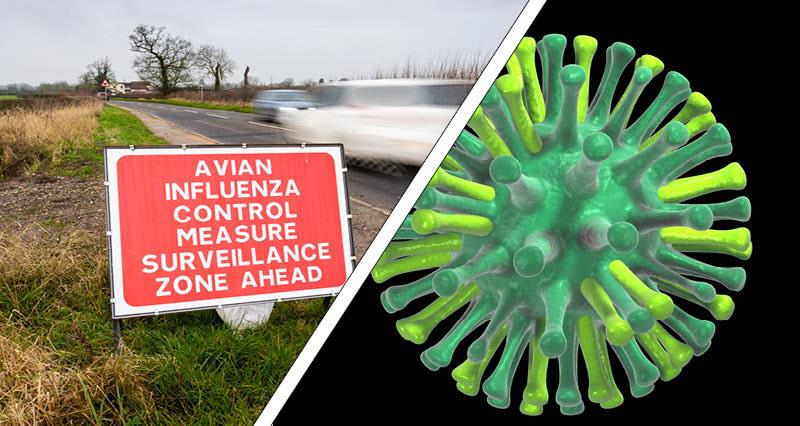
A GB-wide AIPZ (Avian Influenza Prevention Zone) has been lifted. The measures came into force across the whole of England in December 2024, Wales followed suit in January 2025 while a Scotland-wide AIPZ was declared in September 2025.
Risk not completely gone
NFU Poultry Board Chair Will Raw said: “Poultry farmers are continuing to work incredibly hard to minimise the threat of avian influenza (AI) and it is a huge relief that the risk of disease incursion has been reduced.
“Despite the AI Prevention Zones being lifted in GB, it’s important to note that the risk has not completely gone away. Low risk doesn't mean no risk so all poultry keepers must continue to maintain stringent biosecurity measures in order to protect the health and welfare of their birds.”
“Poultry farmers are continuing to work incredibly hard to minimise the threat of avian influenza (AI) and it is a huge relief that the risk of disease incursion has been reduced.”
NFU Poultry Board Chair Will Raw
Keepers should remain vigilant
UK Chief Veterinary Officer Christine Middlemiss said: “The evidence clearly shows that the risk of avian influenza to poultry across Great Britain has reduced, making this the right time to lift the Prevention Zones.
This has been possible because of the hard work of all bird keepers, who have upheld high biosecurity standards for many months. It remains vital that keepers remain vigilant and maintain high levels of biosecurity to keep flocks safe. Low risk does not mean no risk.”
Chief Veterinary Officer for Wales, Richard Irvine, said: “I am pleased the latest reduction in avian influenza risk means we are now able to lift the all-Wales Avian Influenza Prevention Zone. This is good news for our bird keepers, and I would like to thank the sector, who have worked hard and shown great vigilance through a sustained and challenging period.
“I also want to be very clear that Low risk does not mean no risk.
“Avian influenza remains a serious disease, and we know that conditions can change. I urge every bird keeper, no matter the size or type of flock, to keep protecting their birds – from bird flu and other diseases.
“Good hygiene practices are your first and most effective line of defence. Vigilance and prompt reporting of any suspicion of disease also remain absolutely vital.”
Previously announced measures
- 9 April 2026: mandatory housing measures were lifted.
- 13 November 2025: Welsh government implemented compulsory housing measures.
- 6 November 2025: National Avian Influenza mandatory housing order declared for England.
- 30 October 2025: Regional housing measures introduced across northern and parts of central and eastern England.
- 20 August 2025: Additional biosecurity measures introduced for game bird rearers and shoot operators.
- 15 May 2025: Mandatory housing measures lifted.
- 7 April 2025: Cumbria, County Durham, Northumberland and Tyneside also mandated to follow housing orders.
- 16 February 2025: Mandatory housing extended to cover
- 30 January 2025: Welsh government introduces an AIPZ across all of Wales.
- 25 January 2025: Mandatory housing orders declared in York, North Yorkshire and Shropshire. AIPZ extended to the whole of England.
- 23 December 2024: Defra declares mandatory housing measures in the East Riding of Yorkshire, City of Kingston upon Hull, Lincolnshire, Norfolk and Suffolk.
- 13 December 2024: AIPZ comes into force across parts of the East of England.
For more information on AI in England, visit:
- GOV.UK | Bird flu (avian influenza): latest situation in England
- GOV. UK | Risk levels and outbreak assessments
For more information on AI in Wales, visit:
If disease is suspected
If you suspect bird flu in poultry or other captive birds, you must report it immediately by calling:
- 03000 200 301 if you’re in England
- 03003 038 268 if you’re in Wales
- your local Field Services Office if you’re in Scotland
Bird flu is a notifiable disease in poultry and other captive birds. If you do not report it, you’re breaking the law.