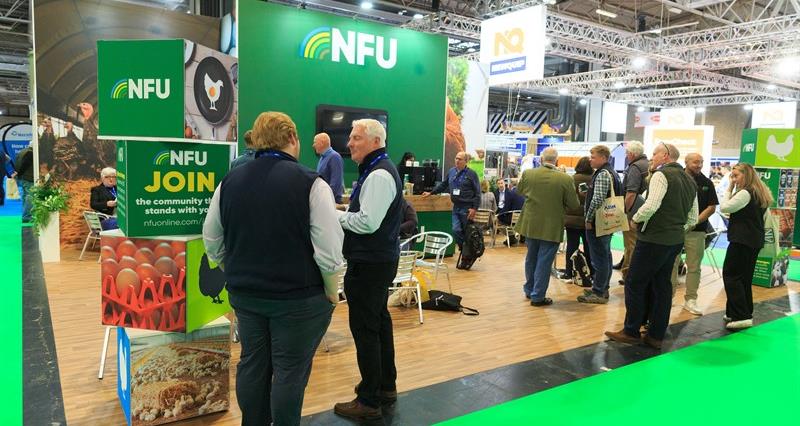
Demand for eggs and poultry meat is strong and growing – so there are plenty of opportunities in each sector. But there are considerable hurdles for all to overcome, according to speakers at the biennial British Pig and Poultry Fair.
Consumer demand for high-quality animal protein is rising – particularly where it is affordable and convenient – which plays to each sector’s advantage. But tightening animal welfare legislation in the UK, alongside restrictive planning policies, is throttling growth and opening the door to imports that wouldn’t meet domestic standards.
Educating consumers
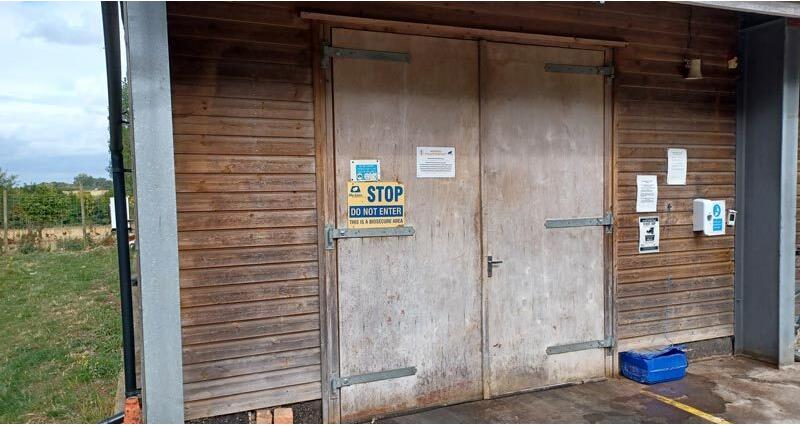
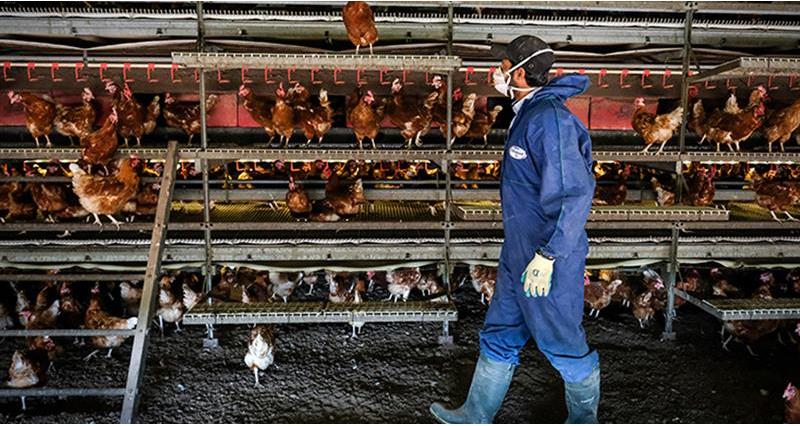
Producers raised concerns about the increase in activity from animal rights protesters as well as problems with securing planning permission for new poultry sheds. So what can the industry do to protect against covert operations and communicate their positive stories to the general public?
A couple of seminars at the British Pig and Poultry Fair tackled this very issue on 13-14 May, bringing together farmers, editors and communication experts in the pig and poultry sectors.
First and foremost, it’s vital to provide the highest welfare standards possible, and ensure staff buy into a high welfare ethos.
“Tell your workers that they are on camera 24/7,” advises Paul Kelly at Kelly Turkey Breeders. “But we have to accept that things can be ugly on farm, from feather pecking to killing and plucking – we have to do a better job of educating consumers about the realities of farming.”
Dealing with activists
If activists do infiltrate your farm and threaten an exposé, the first thing to do is acknowledge the potential issue, state that you take animal welfare extremely seriously, and that you’re investigating, says Amy Jackson at Oxtale Communications. “Saying nothing is a common mistake – if there isn’t any information forthcoming people will create their own information. People just want to know that you’re on it – that buys you time to ensure that what you then communicate is right.”
Red Tractor and the NFU can help with crafting a response, and it’s important to take professional advice, says Jo Miller at Red Tractor. “Have one point of contact and ensure everyone in the business is saying the same thing, or it calls your credibility into question.”
It’s also essential not to engage with the activists, warns Mr Kelly. Don’t invite them to a tour of your farm in the hope you can convince them it’s perfectly run. “Instead, engage with journalists and consumers – we’re opening up our farms even more this year. If we’re not willing to share what we do with consumers then we have to question why.”
NFU Poultry Board member Jo Hilditch, from Whittern Farms, Herefordshire, agrees. “We should be doing a lot more to promote how good we are. I’m proud to show people what we do.”
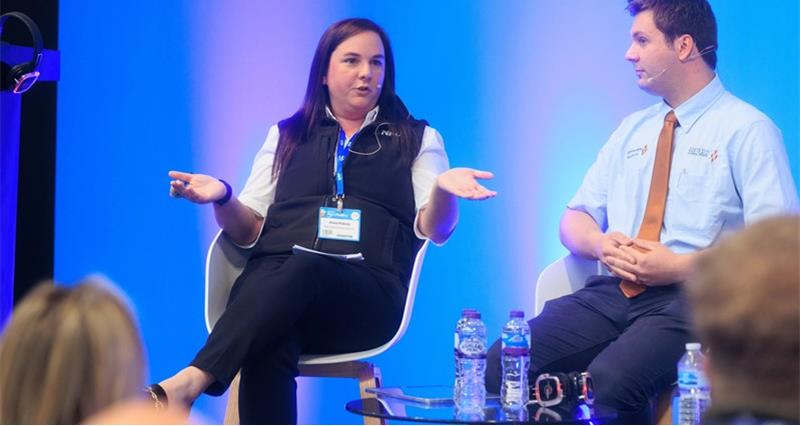
Above: NFU Chief Poultry Adviser Aimee Mahony speaking at the Egg outlook. Photograph: Tim Scrivener
Poultrymeat
Premier Nutrition’s Ralph Bishop chaired the Poultrymeat Outlook where NFU Poultry Board member Mark Gorton of Traditional Norfolk Poultry, David Neilson of Avara Foods and Sam Drummond from EC Drummond gave their insight into the years ahead.
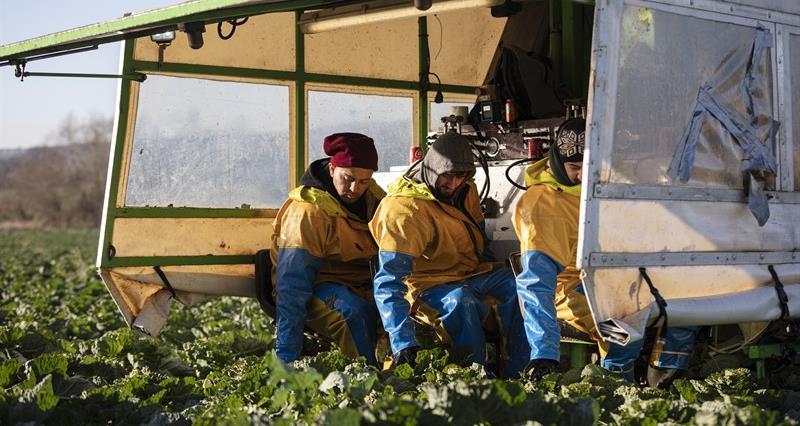
Mark has cracked his staffing problems by offering competitive salaries, encouraging progression and awarding bonuses, but it has taken time. He said: “The day after Brexit we could genuinely see people leaving our business.”
Many of his staff are now from Romania and Bulgaria and are long-term workers living in the UK rather than seasonal staff.
Sam spoke of the problems of attracting younger workers to the sector. He said younger staff did not like the 24/7 aspect of running a poultry business and he thought producers might have to employ more people on fewer hours to make the role more attractive to people looking for a greater work/life balance.
Planning
He has been struggling to get planning permission to build houses for managers on his farm as well as for the sheds.
Half of Mark’s poultry houses are mobile, so they are not subject to the same planning restrictions, but David and Sam talked of the difficulties they have had in securing planning permission for new sheds.
This led to difficult decisions about whether or not to invest in upgrading older housing and fears that the sector might struggle to meet demand for homegrown chicken.
David said: “We have to look after the houses we have got, but it’s a bit like Trigger’s broom.”
Mark shared his ongoing frustrations about the service sector and their reluctance to engage with producers about buying UK poultrymeat for schools, hospitals and prisons.
The market for premium turkeys was solid as people were less likely to skimp on the main Christmas meal, despite the cost of living crisis.
Looking to the future, the panel could see artificial intelligence helping to monitor the birds in the shed 24/7 to ensure that uniform size and weights of birds are delivered to the slaughterhouse for efficiency and welfare benefits.
Mark finished by saying the APHA AI vaccine trials were taking place on one of his farms. He said: “The world is watching us as it’s a worldwide problem. It’s not going to be an overnight success but, hopefully, it is the beginning of the end.”
Eggs
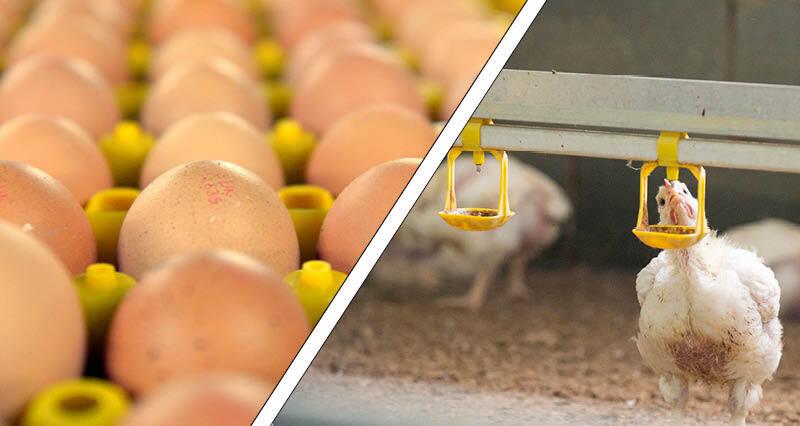
“Eggs are the poultry sector’s main opportunity for growth” may sound a bit predictable to a room full of egg producers, but the panellists at the Egg Outlook session spoke about it with such enthusiasm that you couldn’t not be intrigued by what was discussed.
Agricultural director at Noble Foods, Barney Kay, was particularly passionate, praising the growth of the global egg industry since 2019 and affirming that, if it wasn’t already obvious, “the main opportunity is growth”.
Indeed, global egg production has been steadily increasing for decades, and the latest FAO data suggests that production hit 100 million tonnes in 2024. Despite short-term disruptions caused by avian influenza outbreaks and periods of high input cost inflation, the global sector has remained resilient, with growth of 2.3% registered between 2022 and 2023.
Speaking about new production innovations, Barney said the areas of particular interest for the manufacturer are the food-to-go and convenience markets. Boiled eggs in pots have been popular with retailers, he explained, and liquid eggs are being marketed as a ‘store-cupboard essential’.
Regardless of what you are producing, “being confident in the story you tell” is what retailers are ultimately looking for, according to chief executive of the BEIC (British Egg Industry Council), Nick Allen.
25–34-year-olds driving demand
Nick agreed that consumer demand for eggs is strong. It is estimated that 27,500 eggs are consumed within the UK every minute. In terms of its trend-spotting work, the BEIC is keeping an eye on growth generated by 25–34-year-old consumers, who Nick explained are driving demand in the health and convenience markets by “creating new occasions” and using eggs in new recipes at home.
Also up for discussion was the improved interest in the organic egg sector and the rise of white bird flocks. On the former, panellists said that ‘organic’ makes up a small but promising section of the market (somewhere in the region of 2-4%), but that harmonisation with the EU, primarily achieved through a new SPS deal, will be a key watchout for organic producers.
Will Lea, of Country Fresh Pullets, who is also the vice-chair on the NFU National Poultry Board, explained that the demand for white bird flocks is increasing, as reflected in his own business operations. At present, 12% of his business is in white pullets and that figure is growing every year.
However, a word of caution was issued by Barney on the topic. He said that producing the volume of white pullets to meet current producer demand couldn’t be done instantly as genetics companies need time to respond.