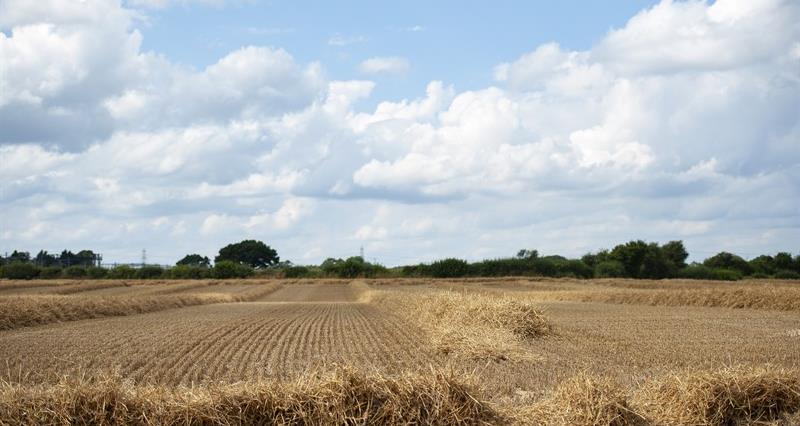
Some areas of the UK could see temperatures rise above 30°C, with the UK Health Security Agency issuing amber heat health alerts across large proportions of England.
There is specific GOV.UK guidance available for producers to follow in hot weather, and poultry welfare codes recommend following current government resources.
NFU Senior Veterinary Adviser, Claire White said:
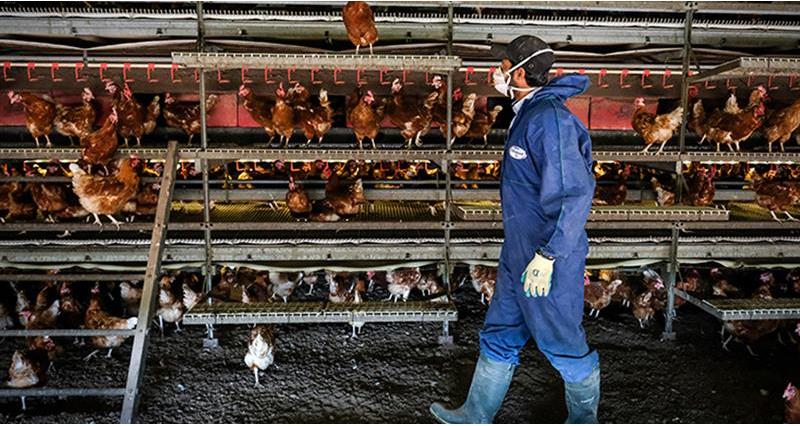
“With high temperatures forecasted, it is important for all poultry producers to ensure their ventilation systems are in working order and where fitted, popholes are fully utilised to increase air flow.
“The use of misting systems where possible may help reduce temperatures inside the poultry housing, but should be monitored to ensure humidity isn’t increased.
“Producers should be aware of the early signs of heat stress, which include lethargy, but also open-mouth breathing and holding wings away from the body.
“If unmanaged, heat stress can rapidly progress to weakness and death. Heat stress will also impact productivity in birds with reduced consumption which may, impact growth rates and egg production.
“Producers should be aware of the odour of increased ammonia and ensure CO2 meters are working. Birds suffering from high CO2 levels may appear drowsy and lethargic.
“Producers should liaise with their processor if birds are due to travel so that appropriate measures can be taken to maintain bird health and welfare during transport such as utilising reduced stocking rates and catching and loading during the coolest parts of the day.
“Appropriate facilities must also be provided for catchers.
“Vehicle drivers are trained and required to know how to maximise ventilation and cooling of birds during transport, including reduced stocking rates in certain modules and opening trailer curtains.
“It is an offence to transport, or cause the transport, of animals in conditions that may cause unnecessary suffering and those responsible may be subject to regulatory and enforcement action.”
Contact your vet
Contact your vet if you are concerned about heat stress or want to discuss further ways to mitigate or control the effects.
You can check the forecast in your area on the Met Office website
More information