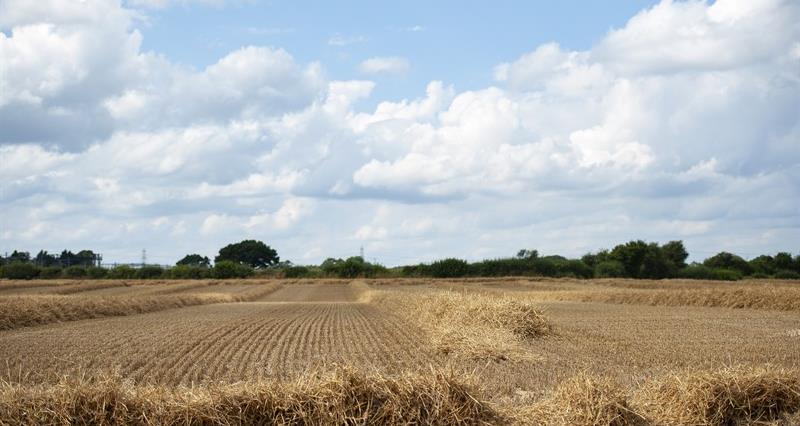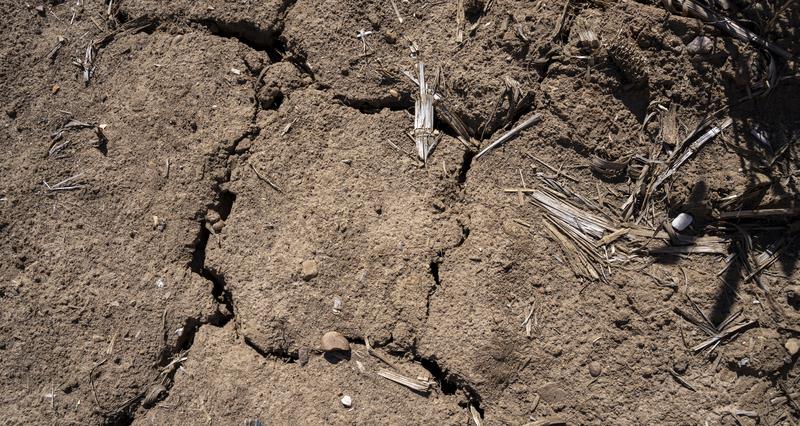
Soaring temperatures and raging wildfires across France and Spain have demonstrated the risks of relying too heavily on food imports.
To avoid becoming vulnerable to global food supply issues in the future, the NFU is clear that homegrown food production must be treated as part of our nation’s critical infrastructure. This includes ensuring access to water is secured to enable farmers to continue to produce food for the 70 million people of the UK.
It is calling for immediate actions to be taken to make growing the nation’s food easier and bolster water resilience now and in the future:
- Flexible abstraction licences to reflect our changing climate – so farmers can take and store water when it rains for use at times of shortage.
- Streamline the planning system – making it quicker and easier for farmers and growers to build water storage to prepare for future dry periods.
- Support investment in on-farm reservoirs – this could be provided by opening the Water Management Grant and/or by broadening the scope of the Annual Investment Allowance.
“We have taken food production for granted for too long; we must create a more resilient food system to feed the 29 million households across the country, and we can’t produce food without water.”
NFU President Tom Bradshaw
The NFU is also urging the government, EA (Environment Agency) and water companies to create a risk register for vulnerable business water users, giving critical farm businesses such as livestock, poultry and high-value horticulture access to water to support animal welfare and business viability.
In addition, continued improvement to local EA communications, including bringing together water companies and Water Abstraction Groups will help to provide clear, timely information on water levels, likely cessation notices, restriction timelines and when water may be available again.
Food production must be a priority
NFU President Tom Bradshaw said: "This is one of the most severe droughts many farmers and growers have lived through. Harvest yields are looking poor, farmers are struggling to access water to irrigate fruit and vegetables, and livestock farmers are having to use grass they cut this spring for their stores of winter feed for cattle as there's very little grass growing now.
“The picture is even worse when we look across Europe to many of the countries we import food from, with huge wildfires across France and Spain. While retailers are used to managing variations in global supply, we’re not going to be able to trade our way through this potential crisis.
“If this summer teaches us anything, it is that we must prioritise food production. We have taken food production for granted for too long; we must create a more resilient food system to feed the 29 million households across the country, and we can’t produce food without water. This means urgent action to bolster our water security and ensuring our food security is treated as a vital part of our nation’s critical infrastructure.
“Central to this will be fast tracking investment and planning changes meaning we can build new reservoirs on farm. We need a common sense approach to water use, with water access prioritised for livestock, particularly poultry and pigs. More flexible abstraction rules are also needed so farmers can access water for irrigation. This would enable us to grow more of the food we can and should produce here ourselves, especially fruit and vegetables.”