Drought 2026 – how the NFU is supporting farming sectors
Hear from our NFU national board chairs and see how the NFU is supporting each farming sector, follow the timeline of our work on drought and find practical hot weather advice.
Combinable crops: Calling for investment in innovation

Find more from combinable crops
- Are you prepared for hot weather?
- Hot weather guidance for farmers
- Harvest 2026 survey: share your yields as hot weather brings early harvest
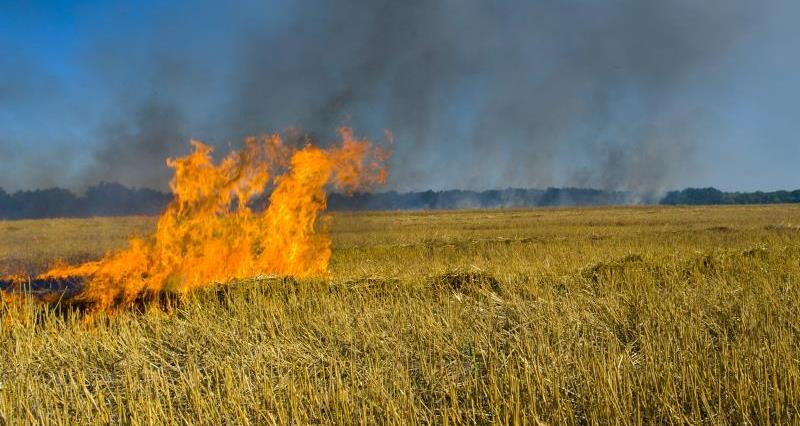
Combinable crops farmers are facing huge pressures on top of the drought conditions we are experiencing – production inflation and issues with a lack of transparency in the grain supply chain mean profits are being hit.
NFU Crops Board Chair Jamie Burrows said: “Farming is all about planning for the long-term but more frequent climate extremes makes this really hard and financially risky.
“While the outlook for harvest varies depending on crop, region and soil type, it’s clear that this year’s grain has been produced scarily close to, or even below, the cost of production.
“We are doing what we can to mitigate the risks on farm, but the government must work with industry on this.
“Most arable farmers can’t irrigate their crops, and that’s why we need investment in resilient crop varieties that are more able to withstand drought and disease and have greater yield resilience. This kind of innovation would help to deliver domestic food security and strengthen our resilience against a changing climate.
“Resilience also comes from a fair and transparent marketplace. This means government publishing its findings of the supply chain fairness review, delivering a Sector Growth Plan, ensuring that British growers aren’t disadvantaged as we realign with EU rules, and delaying the implementation of the carbon tax (CBAM) on fertiliser.”
Dairy: Calling for fair prices across the supply chain

Find more on dairy
It’s a difficult time for dairy farmers with issues stretching from higher feed costs caused by reduced grass growth, bluetongue pressures, and risks of winter feed shortages.
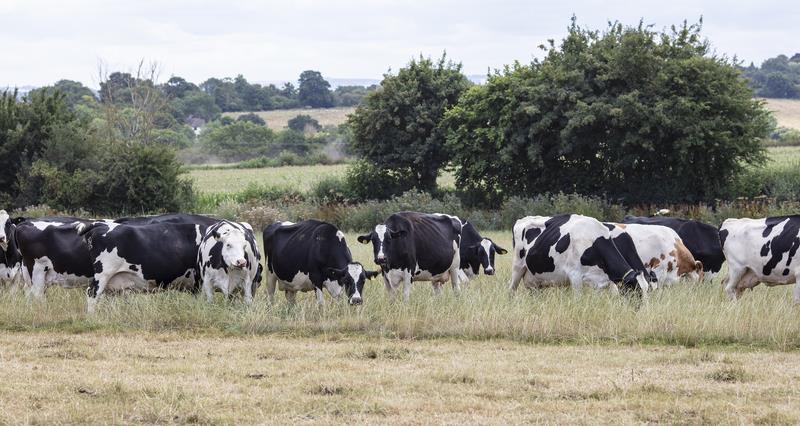
NFU Dairy Board Chair Ian Harvey said: “Our dairy farmer members are continuing to face huge pressures from the hot, dry weather which has severely restricted grass growth and diminished pasture quality.
“Many producers are now also having to contend with the bluetongue virus which is rapidly escalating across the country.
“To sustain production and safeguard animal welfare, many producers have been feeding winter forage and expensive supplementary feeds to their herds.
“If we do not see sustained rainfall in the coming weeks, these interventions could mean feed shortages and inflated farm costs this winter.
“While the sharp drop in milk volumes has rightfully driven the spot price upward, we are continuing to witness an unacceptable disparity in farmgate returns.
”While some farmers are receiving over 40ppl for their milk, other producers remain trapped on prices in the mid-20s—well below the cost of production.
“It is important that any increased returns in the dairy sector are shared fairly and transparently across the supply chain and prices move as agilely upwards as they did when tracking the market down.
“We are continuing to call on the whole of the supply chain to act responsibly to ensure we have resilient dairy farming businesses. That includes processors and retailers communicating clearly and fairly with their milk suppliers, complying with the new fair dealing’s legislation and adhering to open and transparent pricing structures.”
Horticulture and potatoes: Supporting growers through drought
Find more on horticulture
- “We can’t produce food without water,” NFU warns
- Drought and water restrictions – what farmers and growers need to know
- Hot weather guidance for farmers
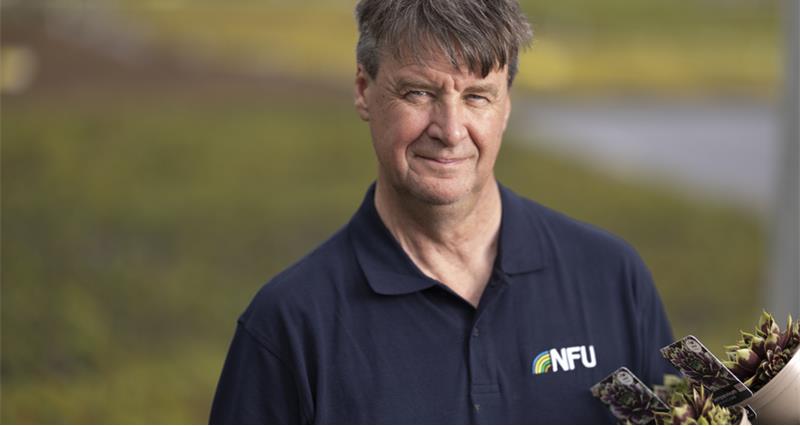
Growers are struggling with irrigation issues, strict water use limits and high stock losses. Simpler reservoir planning and more flexible abstraction licences would help growers invest with confidence and strengthen the resilience of British horticulture.
NFU Horticulture and Potatoes Board Chair Martin Emmett said: “The hot, dry weather is affecting regions and crops differently, with many growers reporting earlier harvests. Despite challenging conditions, they are working hard to maximise yields and maintain quality.
“The UK grows 56% of the vegetables we consume and only 14% of our fruit. Those figures are falling, leaving us increasingly reliant on imports from countries facing severe water shortages and rising temperatures.
“The government’s horticulture growth strategy presents a real opportunity to secure a reliable supply of fruit and vegetables and strengthen the UK’s food resilience through targeted policy actions.
“A more straightforward planning system for reservoirs, alongside greater flexibility in abstraction licenses, would give growers the confidence to invest, reduce our reliance on imports and help build a resilient, competitive and profitable British horticulture sector.”
Livestock: Helping livestock farmers manage feed and forage pressures

Find more on livestock
The NFU is urging livestock farmers to take practical steps to protect animal welfare as prolonged dry weather puts increasing strain on forage availability.
NFU Acting Livestock Board Chair Clare Wise said: “This prolonged spell of dry weather is placing enormous pressure on livestock farmers across the country who are working to produce the country’s food while maintaining high standards of animal welfare.
“The combination of low rainfall and sustained high temperatures has severely affected grass growth and forage supplies, leaving many farmers with no option but to use winter feed stocks to keep livestock fed, raising concerns about potential forage shortages later in the year.
“We encourage members to continue taking practical steps to protect livestock during periods of hot weather, including ensuring access to clean, cool drinking water, maintaining good ventilation in buildings, and avoiding transport during the hottest parts of the day.
“The NFU will be keeping in touch with members to help provide support during the challenges of forage provision going forward.”
NFU Sugar: Building resilience for sugar beet growers
Find more on sugar
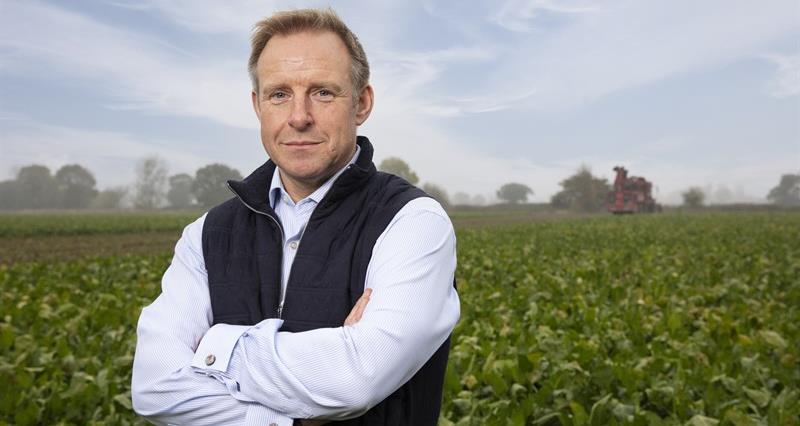
Likely yield losses in sugar beet are underlining the need for farming businesses to be better equipped to withstand increasingly frequent weather extremes.
NFU Sugar Board Chair Kit Papworth said: "Sugar beet is generally very resilient to extremes of weather but when it's this dry, the leaves of the crop wilt and the plant struggles to produce sugar. Plants are looking very stressed at the moment.
"While some may use irrigation, it isn't an option for most because it's too expensive compared to the price we get for the beet. It's likely we'll just have to endure yield loss this year.
"This is a double whammy for beet growers, most of whom will also be trying to produce arable crops which are in the same nasty situation.
“While options are limited to help growers protect their crop this year, it demonstrates the need to build financial resilience in the sector so businesses can better withstand these climate extremes, which are only becoming more common."
Poultry: Water security is a critical issue for poultry businesses

Find more on poultry
- Transporting livestock in hot weather
- Are you prepared for hot weather?
- Hot weather guidance for farmers
The NFU is calling for better protection for vulnerable business water users as drought conditions place increasing strain on poultry production.
NFU Poultry Board Chair Will Raw said: “Poultry farmers right across the country are feeling the effects of this extended period of dry weather, with many now operating in areas with drought conditions.
“Despite these ongoing challenges, we know our members are working hard to safeguard the welfare of their birds while continuing to produce food for the nation.
“Access to a reliable water supply is crucial for poultry production, underpinning everything from bird health and welfare to the smooth operation of the wider supply chain.
“We continue to call for government, the EA (Environment Agency) and water companies to create a risk register for vulnerable business water users, including those involved in poultry production.
“While businesses can implement their own mitigations, water supply remains crucial to maintaining high standards of animal welfare and supporting the viability of these businesses, especially during times of prolonged dry weather as we are seeing now.”