Severe drought declared in parts of England
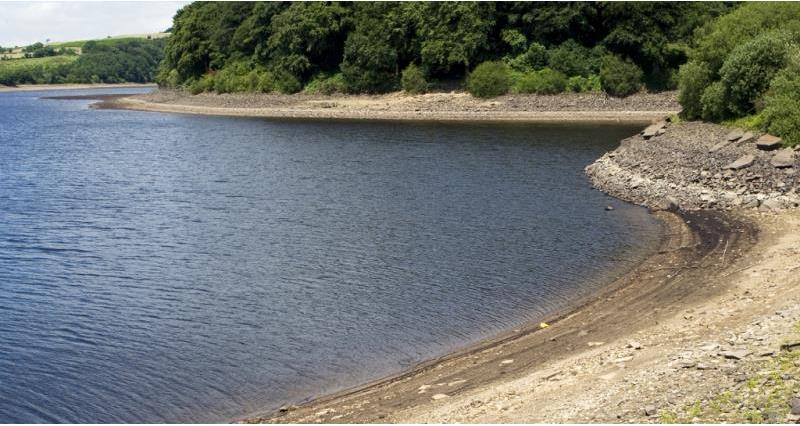
The National Drought Group met on 15 October, as parts of England moved into severe drought status – get the latest.
The NDG (National Drought Group) has moved to weekly meetings as drought conditions persist, despite the recent rainfall. It will take around 120% of average winter rainfall to return water resources to normal levels.
The NDG met on 15 October, as parts of Cornwall, Devon, Somerset and Sussex moved into severe drought status. There are continued concerns for reservoir refill for agriculture this winter and resilience for next year.
To support the sector, at the beginning of October the EA (Environment Agency) announced a new RPS (Regulatory Position Statement) that allows some farmers to begin filling existing water storage reservoirs earlier than usual, and changes which make it simpler for farmers to apply for longer-term abstraction licences.
These changes are a welcome step, following many months of campaigning by the NFU.
For more on the NFU’s role in shaping the response to drought, read: NFU Deputy President Paul Tompkins explores NFU wins on water
Drought status detail
78.4% of England is in drought status, with 3.2% in severe drought and the remainder under prolonged dry weather status. As a result, no part of England is deemed in “normal” status.
On 9 October, Yorkshire moved into drought status. Parts of Cornwall, Devon, Somerset and Sussex have moved into severe drought, with low reservoir levels and risks to public water supply a key concern. This is the first time a severe drought has been declared under the current classification system.
Following these announcements, the EA is set to increase compliance checks on abstracting businesses to ensure they are only taking permitted quantities of water. Local Resilience Forums have been stood up to provide support if required.
England received 65% of the long-term average rainfall in September, making it the sixth month this year that has recorded less than average rainfall.
Reservoir storage for England is currently at 54%, around 21% below average for the time of year.
Ten water companies have temporary use bans in place, affecting 30 million customers. Water companies continue to submit drought permits and orders.
Formal Section 57 restrictions remain in parts of East Anglia under 31 October.
To see the EA’s drought status map of England, visit: GOV.UK | Dry weather and drought in England: 2 to 8 October 2026 – Area drought status
“We are also asking everyone to use less water. That will leave more in our rivers and the environment, helping farmers and protecting wildlife and nature.”
Environment Agency Chief Executive Philip Duffy
Prospects
In most areas, 100% of long-term average rainfall between now and March will see a full recovery from water supply drought.
However, even under the EA’s ‘best estimate’ scenario, East Anglia and Devon and Cornwall could still be experiencing drought conditions until March.
In the most severe projections, large parts of England could move into severe drought if winter rainfall is significantly below average.
Drought is only over when rivers, groundwaters and reservoirs are back to normal levels.
Official drought status is primarily linked to public water supply pressures rather than agricultural drought.
The developing EL Niño is expected to bring wetter and more unsettled weather this autumn. Autumn rainfall is set to help top up water levels but could lead to flooding in some areas.
Water resources under immense pressure
Environment Agency Chief Executive Philip Duffy, who chaired the NDG, said: “Record-breaking summer heat and severe drought have put our water resources under immense pressure.
“Recovery depends on both rainfall and how much water we use. We cannot change the weather, but water companies can act now. We expect them to follow their drought plans and take the steps needed to secure public water supplies.
“We are also asking everyone to use less water. That will leave more in our rivers and the environment, helping farmers and protecting wildlife and nature.”
Advice for farmers
Hard soil conditions continue to challenge farmers, particularly where abstraction restrictions remain in place.
Farmers are advised to check ground and weather conditions before spreading organic manures, including slurry, to help protect rivers from pollution.
Visit our dry weather information page for the latest information and advice.
For more information, visit: GOV.UK | Dry weather and drought in England 2026: summary reports
For details on the latest NDG meeting, visit: GOV.UK | Government activates plan to protect consumers as severe drought declared in parts of England