While the majority of decision making takes place within Westminster, successive governments have acknowledged that more powers and responsibilities should be returned to local authorities. The aim is for local insight and knowledge to shape decisions, made more quickly and accurately by mayors and council leaders within their area.
Devolution is not static. It is an ongoing process, and different areas of England are moving at different speeds. Northern England, for example, engaged early with devolution and is now one of the most devolved areas in the country.
In most cases, a Combined Authority is created, drawing together several neighbouring councils.
These councils form the combined authority, with a cabinet made up of council leaders from each local authority.
The committee is headed by an elected mayor, who is ultimately responsible for the authority’s strategic direction.
Examples of combined authority mayors include Andy Burnham (Mayor of the Greater Manchester Combined Authority) and Kim McGuinness (Mayor of the North East Combined Authority).
What powers will combined authorities have?
Combined authorities are responsible for a defined set of areas, known as competencies. Under the Devolution and Community Empowerment Act 2026, these are:
- transport and local infrastructure
- skills and employment support
- housing and strategic planning
- economic development and regeneration
- the environment and climate change
- health, wellbeing and public service reform
- public safety
- rural and coastal communities
All of these matter, but the competencies most likely to affect members and their businesses are highlighted above.
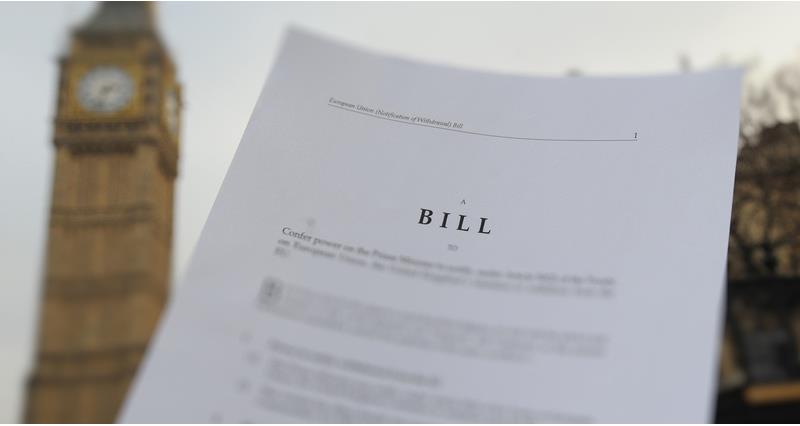
Each of these competencies carries both opportunity and risk, and it will be down to individual combined authorities to decide how best to use these powers. The NFU lobbied, alongside other organisations, to ensure rural communities were recognised in the legislation. Rural communities had only one mention in the initial government white paper, and the Bill in its early form was silent on the issue: NFU welcomes inclusion of rural affairs in new mayoral positions.
Which areas are moving first?
The Devolution Priority Programme covers the first six areas to go through the new standardised approach following the 2026 Act’s passing:
- Cumbria
- Cheshire and Warrington
- Norfolk and Suffolk
- Greater Essex
- Sussex and Brighton
- Hampshire and the Solent
Most of these areas will elect their first mayor in May 2028. Cumbria, and Cheshire and Warrington, will hold elections in 2027, to align with their existing election timetables.
Why this matters for members
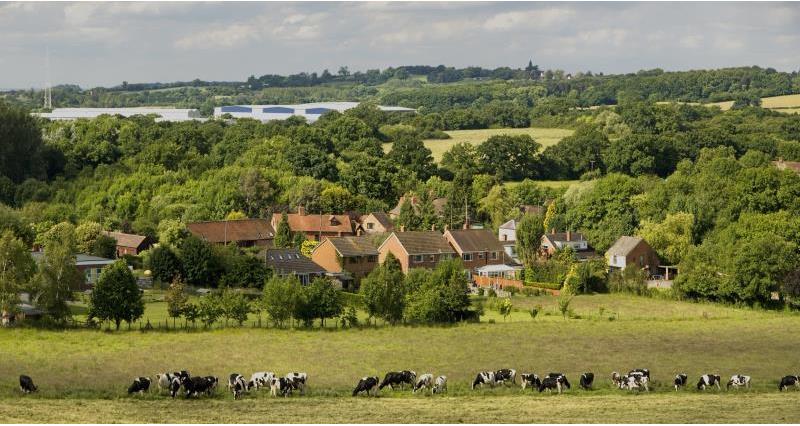
Devolution can feel like a remote concept, but through these competencies it is likely to affect members’ businesses in very different ways. Strategic authorities will hold responsibility across a range of areas, many of which could affect rural communities and rural businesses.
Given the existing pressures on local government finances across England, it is crucial that rural communities’ voices are heard, and that they receive a fair and proportional share of any funding, one that accounts for the higher cost of delivering services in harder-to-reach areas.
The NFU is working with MPs and local authorities to make sure members’ views are heard, and that the rural voice is not overlooked in this process.