Flood Action Week – a ‘timely reminder’ reminder for everyone to take action
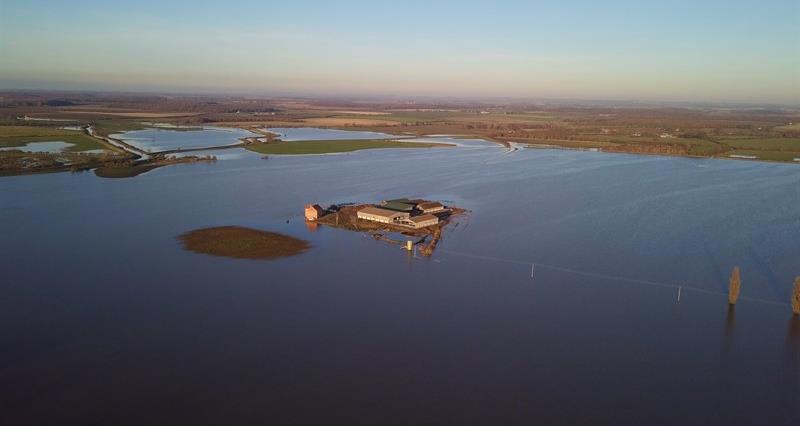
This Flood Action Week, the NFU is shining a spotlight on the flood risks facing farmers and the actions needed to address them.
Flood Action Week 2026 is taking place from 12-18 October. Run by the EA (Environment Agency) to target the winter flood season, its goal is to improve public awareness and preparedness.
The NFU is marking Flood Action Week by raising awareness of the risks farmers face and actions they take to help in times of flooding, as well as outlining our key asks.
The landscape across the UK has never looked more varied – with many areas still in drought and each farm, indeed each field, facing a unique set of challenges and obstacles, farmers must be able to adapt.
Whether that is to capture and store more water including excess water to use or receive compensation for hosting floodwater and implementing natural flood management measures on their land.
More support is also needed in terms of funding for flood defences and maintenance in rural areas.
NFU Deputy President Paul Tompkins said: “Over the past decade, farmers have reported a 78% increase in severe weather events, with 56% experiencing more flooding.
“With El Niño expected to increase the risk of flooding this winter, and the exceptionally dry summer affecting EA flood assets, Flood Action Week is a timely reminder to prepare.”
The EA have also launched a new online hub for flood action as part of the annual campaign. Visit: GOV.UK | Flood Action
Our asks on flooding
- Invest in rural flood resilience
- Fair agreements and payments
- Support affected landowners
“It [Flood Action Week] is an opportunity to recognise the vital role farms play in protecting homes by storing floodwater on their land.”
NFU Deputy President Paul Tompkins
Deputy President outlines what farmers need
Paul continued: “It [Flood Action Week] is an opportunity to recognise the vital role farms play in protecting homes by storing floodwater on their land. The EA should introduce a clear and accessible agreement process, with farmers fairly paid for providing this work.
“The agency must also publish an up-to-date assessment of its flood assets and make clear which assets it will not maintain.
“At the same time, to ensure excess water is not wasted, Defra should provide more detail on the Water Management Grant.
“Changes to the National Planning Policy Framework must also lead to more positive local planning decisions on farm water storage.”
Our asks on flooding
To build resilience against flooding, we need government to:
- Demonstrate the new FCERM (Flood and Coastal Erosion Risk Management) policy: Provide tangible examples of how the government’s revised funding rules (effective from April 2026) have been applied to optimise investment in maintaining existing rural defence assets and systems, enhancing their capacity to manage rainfall events, and enabling faster recovery from flooding. While the rules have potential to offer fairer protection to agricultural land, the budget limitations mean that there’s no guarantee that projects to achieve resilience in rural areas will receive funding.
- Commit to adopt the maintenance of flood and coastal risk management assets protocol: For the EA to formally adopt the protocol for the maintenance of flood and coastal risk management assets and its appendices when proposing to permanently cease maintenance of certain assets, ensuring appropriate consultation and subsequent support for landowners and other affected parties. In instances where finite funding forces the EA to withdraw maintenance of flood defences in certain areas, the formal adoption of the protocol, which lays out the procedure for a withdrawal, would ensure that this process is standardised, fair and collaborative.
- Establish a clear engagement and payment framework: Establish a transparent, accessible and collaborative process (including payment mechanisms) to secure early and meaningful landowner agreements for the implementation, management, and ongoing maintenance of flood storage areas and natural flood management measures.
- In its ‘Flood Resilience in England’ report, the Environmental Audit Committee recommended that Defra work with the EA and farming bodies to develop a standardised approach for compensating farmers who host floodwater or implement natural flood management measures, recognising this as a public good.
- Ensure there are adequate flood defences to protect critical infrastructure in rural areas and evacuate floodwater quickly.