Farming is a long-term business and growing crops requires long-term planning.
With abnormal weather events becoming more frequent and increasing volatility across the supply chain, growers are facing increased pressure to remain profitable and are having to work even harder to produce the food we eat.
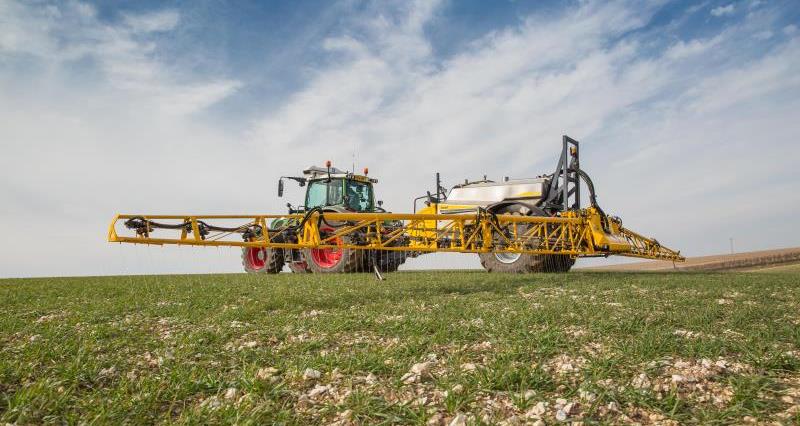
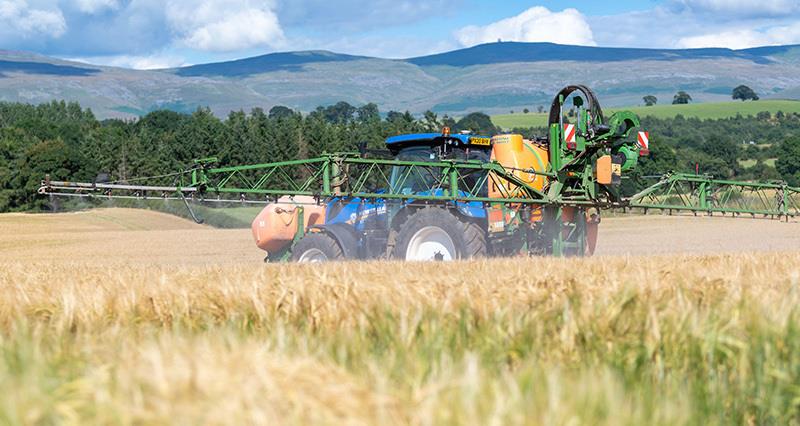
Plant protection products like glyphosate play a vital role throughout a crop’s growing season, as managing weeds is vital for the production of a viable crop. If they aren’t removed, weeds can have a significant impact on a plant’s performance and the amount and overall quality of grain that is produced.
Challenges with controlling weeds
The loss of other options for weed control means growers are facing increasing challenges in controlling weeds within their rotations. Removing them before the crop is established is becoming more and more important to the long-term viability of the sector.
“It’s important to also point out that glyphosate, and other plant protection products, undergo a very rigorous authorisation process to ensure they are safe to use.”
NFU Combinable Crops Board Chair Jamie Burrows
Before we even drill a field, we need a clean slate. Without it, the crop has to compete with weeds from day one, and that competition costs yield, quality and, ultimately, profitability.
Traditionally, ploughing was the way to achieve that clean slate, but glyphosate gives us an alternative that protects soil structure, reduces fuel use, and helps us manage workloads more efficiently.
Safe and secure supply of food
It’s important to also point out that glyphosate, and other plant protection products, undergo a very rigorous authorisation process to ensure they are safe to use. They are expensive to buy and are only used when and where they are really needed, in a very targeted and responsible way. As well as controlling weeds, the regulations are clear that plant protection products have a role in managing or checking growth of crop plants.
Glyphosate at harvest time
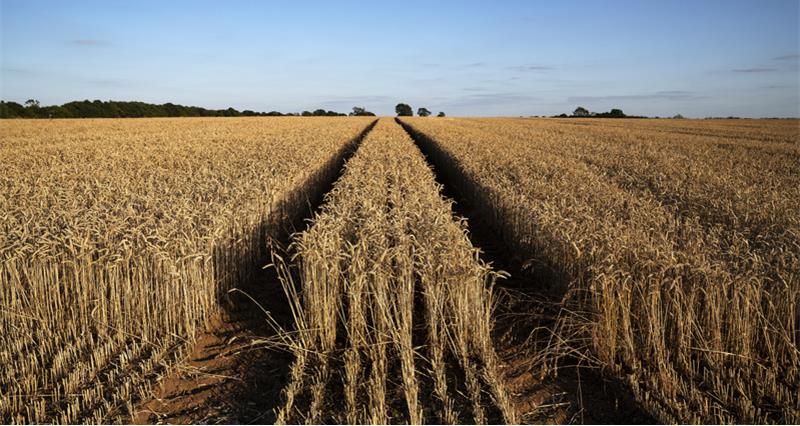
Glyphosate can also have a role to play in the run up to harvest. The UK climate often means a crop doesn’t ripen at the same rate across a field, or the grain is ripe but the straw is very green and high in moisture making harvesting difficult and expensive. That inconsistency can prevent harvest and affect grain quality.
Using glyphosate like this, within the recommended use and respecting label requirements, ensures that the crop is evenly ripe, allowing us to harvest efficiently, deliver grain that meets the needs of the supply chain, and contribute towards a safe and secure supply of high-quality, sustainable food.