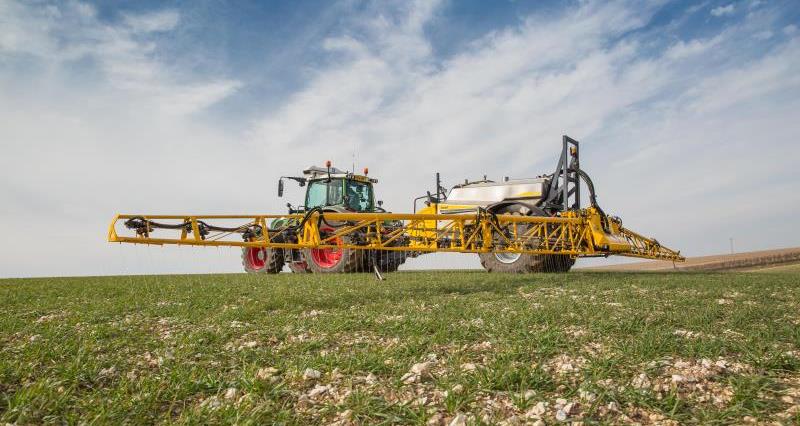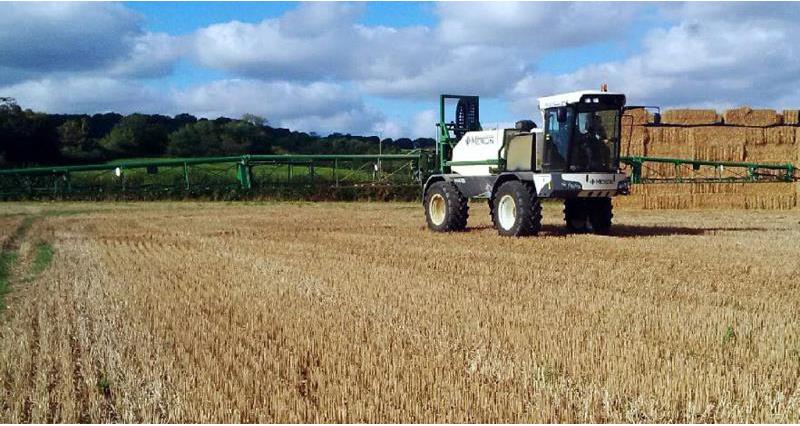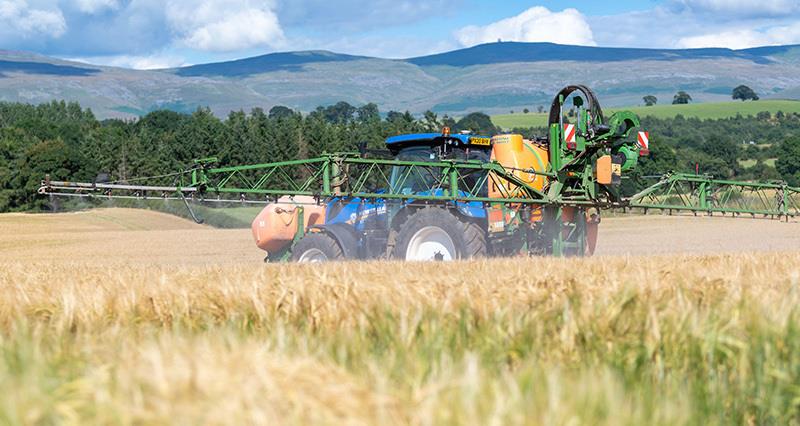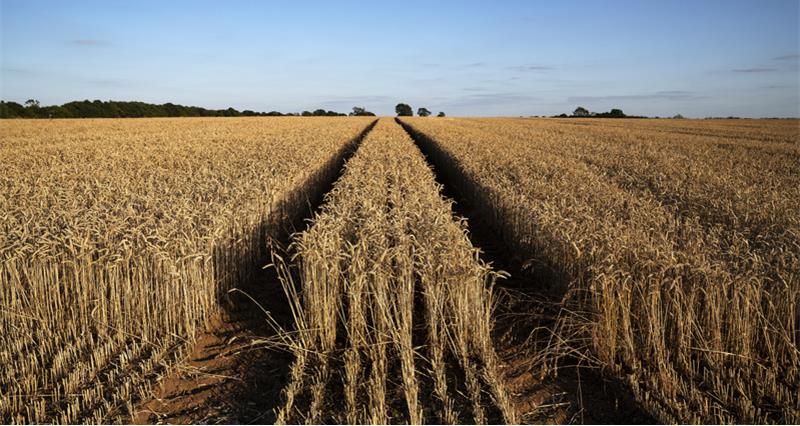
Glyphosate is used as a desiccant on some cereal and oilseed crops before harvest to prepare the crop for harvesting, remove weeds that are difficult to control at other times, reduce disease and the potential for natural contaminants to develop, and curb the number of weeds in the following season.
While the regulations allow plant protection products to be used to manage or check growth of crop plants, the EU banned the use of glyphosate in this way in 2023 and environmental groups are now calling on the government to use the UK government’s current negotiations with the EU as an opportunity to align with this decision.
“Glyphosate remains an essential tool for our farmers and growers.”
NFU Deputy President Paul Tompkins
The GB regulatory renewal assessment process for glyphosate is also underway and is being carried out by the HSE with a consultation expected to be published in the coming months.
Science and evidence-led approach
NFU Deputy President Paul Tompkins said: “Regulatory bodies around the world have consistently assessed the full weight of scientific evidence and found that glyphosate is safe when used responsibly.
“Extensive independent reviews, including thousands of pages of independent expert review, have concluded glyphosate’s safety and any residues found in food are well within strict safety limits. We therefore fully expect a UK review process later this year to renew its approval for a full 15 years.
“Glyphosate remains an essential tool for our farmers and growers and, with the UK’s maritime climate and increasingly unpredictable weather, is used on cereals to make harvesting easier, to control weeds, and reduce disease, and help produce sustainable and affordable food for all.”
The NFU has always lobbied for a debate on glyphosate to be led by science and evidence, and continues to make the case that the herbicide glyphosate and other PPPs (plant protection products) play a key role in effective crop protection, which is essential to food production in the UK.
Glyphosate is one of the most extensively studied pesticides in the world.
Between 2019 and 2023, the EU Member State Competent Authorities, the EFSA (European Food Safety Authority) and the ECHA (European Chemicals Agency), re-assessed all the science and evidence on glyphosate.
The assessment concluded that glyphosate is not a carcinogen and, under the conditions of approval and by following good agricultural practices, does not pose any harmful effects on human health and does not pose critical areas of concern regarding impact on the environment.