The role of bulk tank milk testing in tackling bTB
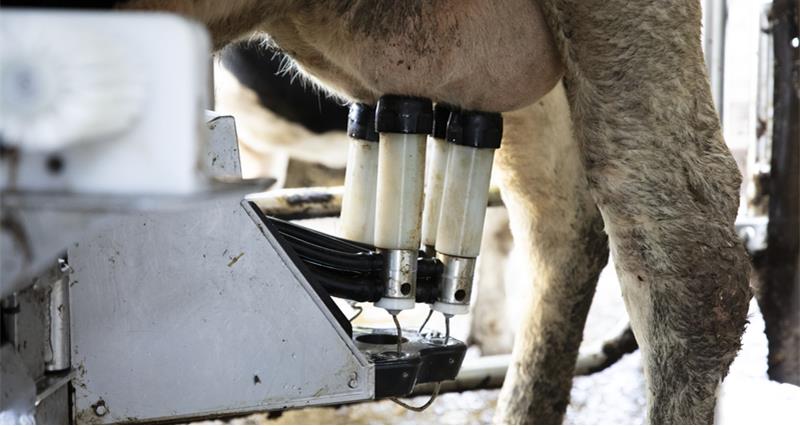
As new research highlights the potential of bulk tank milk antibody testing, the NFU is reminding policymakers that science and evidence must remain at the heart of the bTB strategy.
A major GB-wide study has provided fresh evidence that bulk tank milk antibody testing could help strengthen the fight against bTB (bovine tuberculosis) by identifying infection that may currently go undetected within dairy herds.
The study analysed samples from more than 5,000 dairy herds across England, Wales and Scotland, with 4,830 herds included in the final analysis.
The project was delivered through a collaboration between Synergy Farm Health, SRUC and National Milk Records, with support from milk processors, government agencies and Innovate UK funding. Read the full research at: Frontiers | Enferplex bTB study of bulk tank milk samples in GB dairy herds
“Although the study highlights under-detection in the current system, it does not detract from the progress that has been made nor supports dropping proven tools like the skin test or abattoir surveillance which will remain central to controlling the disease.”
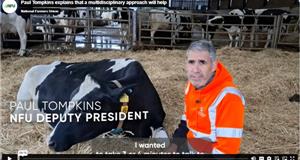
NFU Deputy President Paul Tompkins
Key findings
The study found the bulk tank milk test had a herd-level specificity of 99.2%, meaning false positives were rare. It also showed that 40% of herds under TB restriction tested positive despite reactor animals having been removed, suggesting some residual infection may remain undetected.
Almost one in five OTF (officially TB-free) herds recorded at least one positive bulk milk sample during the study period, indicating current surveillance may not identify all infection present within herds.
OTF herds that tested positive were also found to be between 1.5 and 1.9 times more likely to experience a TB breakdown within the following 13 months. In addition, purchasing cattle from EP-positive herds significantly increased the risk of future TB incidents, with some analyses indicating risks up to 2.8 times higher.
The study concluded that using antibody testing alongside existing skin testing could improve the detection of infected animals and help remove residual disease from herds more effectively.
Vet and RCVS specialist in cattle health and production and scientific director at SureFarm, Alastair Hayton, explains why the study findings are of such value:
“Despite decades of government led statutory testing for bTB, breakdowns continue and the evidence suggests that current surveillance and testing methods are failing to detect a proportion of infected livestock.”
“A consistently identified area of concern is that the presence of undetected residual infection within dairy herds is leading to disease spread through trade and movements, which shows the need for more sensitive and accessible diagnostic tests.
“Our findings all reinforce concerns that residual infection is contributing to ongoing disease transmission.
“We are working collaboratively with the industry to explore how bulk tank milk testing could be integrated into TB control strategies at a farm and industry level, without compromising the herd’s official bTB status.”
“This is important research which highlights the potential for bulk tank milk antibody testing to be a non-invasive additional tool to our existing bovine TB surveillance system.”
Deputy Chief Veterinary Officer Ele Brown
What does this mean for farmers?
The NFU has long called for farmers to have greater access to data and disease-control tools that support a more proactive approach to managing bTB.
While this study demonstrates the potential value of bulk tank milk testing, the NFU’s support is not limited to one testing technology. The union supports the development and use of any scientifically robust diagnostic test that can help identify infection earlier, reduce disease transmission and contribute to the long-term eradication of bTB.
New tests should complement, not replace, existing controls. The NFU believes farmers should have access to a range of effective testing options, alongside veterinary advice, to support better-informed herd management and disease control decisions.
“The NFU will work with government, vets and industry partners to decide how best to make use of new screening tools such as Enferplex and the option to integrate bulk tank milk antibody testing into practical, affordable and fair TB reduction plans for farmers. TB policy needs to evolve to enable the use of these emerging antibody tests.”
NFU Deputy President Paul Tompkins
Maintaining consumer confidence
The NFU is clear that the study does not indicate any additional risk to consumers from milk, milk products or beef.
Robust national surveillance systems, food safety controls and production standards remain in place to protect public health. The vast majority of milk consumed in the UK is pasteurised, and the Food Standards Agency continues to provide guidance and oversight across the dairy sector.
As government and industry consider the next steps, the NFU will continue to work with farmers, vets and policymakers to ensure new testing tools can be assessed and, where appropriate, incorporated into practical, affordable and effective bTB reduction strategies.
“We are working collaboratively with the industry to explore how bulk tank milk testing could be integrated into TB control strategies at a farm and industry level, without compromising the herd’s official bTB status.”
SureFarm Scientific Director Alastair Hayton
bTB strategy must be underpinned by science and evidence
NFU Deputy President Paul Tompkins said: “This study offers new insights on what many have long suspected – that due to the complex nature of the M.Bovis bacteria, some TB infection can remain in cattle herds, even after statutory control measures.
“Although the study highlights under-detection in the current system, it does not detract from the progress that has been made nor supports dropping proven tools like the skin test or abattoir surveillance which will remain central to controlling the disease.
“For far too long bTB has cast its shadow across the industry, damaging farming businesses and putting untold pressure on farmers, their families, and private vets. That’s why we need an effective bovine TB strategy underpinned by good policy decisions with science and evidence at its heart. This must include statutory skin testing, abattoir checks, wildlife measures, improved biosecurity and now potentially, regular bulk milk antibody screening, to support resilient and competitive dairy and beef sectors.
“The NFU will work with government, vets and industry partners to decide how best to make use of new screening tools such as Enferplex and the option to integrate bulk tank milk antibody testing into practical, affordable and fair TB reduction plans for farmers. TB policy needs to evolve to enable the use of these emerging antibody tests.”
Deputy Chief Veterinary Officer Ele Brown added: “This is important research which highlights the potential for bulk tank milk antibody testing to be a non-invasive additional tool to our existing bovine TB surveillance system.
“We will continue to assess the findings with our partners to understand how this approach could complement existing surveillance and support future TB control.”