Agri-food imports – how the NFU is engaging with the Trade Remedies Authority
Find out what the Trade Remedies Authority does and how the NFU has engaged with them over the recent increase of agri-food imports.
With rising concerns about the impact that increased agri-food imports into the GB market are having on British farmers and growers, the NFU has been engaging with the TRA (Trade Remedies Authority) to understand the work they do and how it may help our members facing increasing competition from imports.
What is the TRA?
The TRA (Trade Remedies Authority) is the independent UK body responsible for investigating whether imported goods are harming domestic industries through unfair practices. These can include anti-dumping investigations, examining if products are being sold at a lower price in the UK than in their domestic market; or subsidy investigations to inspect whether UK producers are being disadvantaged due to the payment of specific types of subsidies in an exporting country.
What does the TRA do?
In both cases, an investigation would aim to determine whether or not imported products were causing material injury to UK producers. If injury is found, the TRA can then recommend to the Secretary for Sate for Business, Innovation, Science and Trade that additional duties are applied to imports for a period of up to five years to protect UK producers.
The TRA can also launch a third type of investigation, known as a safeguard investigation. These examine whether safeguard measures are required to protect a specific domestic sector from a sudden, sharp, and unforeseen surge in imports. However, the bar for the implementation of safeguarding measures is higher than for anti-dumping or subsidy measures, with the TRA having to find evidence of serious injury to a domestic sector before safeguarding measures can be introduced.
If serious injury is found to occur, or if it can be demonstrated that there is a foreseeable and imminent threat of a serious injury occurring, then the TRA can recommend safeguarding measures. These measures apply to all imports of a specific good, regardless of what country they have been produced in.
Safeguarding measures can include additional duties on imported goods, or the introduction of a TRQ (Tariff Rate Quota) where imports over a specific quantity are subject to higher import tariffs. As for the subsidy and anti-dumping investigations, the measures taken in response to a safeguard investigation are temporary.
How has the NFU engaged with the TRA?
The NFU has met with the TRA a number of times in recent weeks to better understand their role and under what conditions it would be appropriate for sectors within British agriculture to seek a TRA investigation.
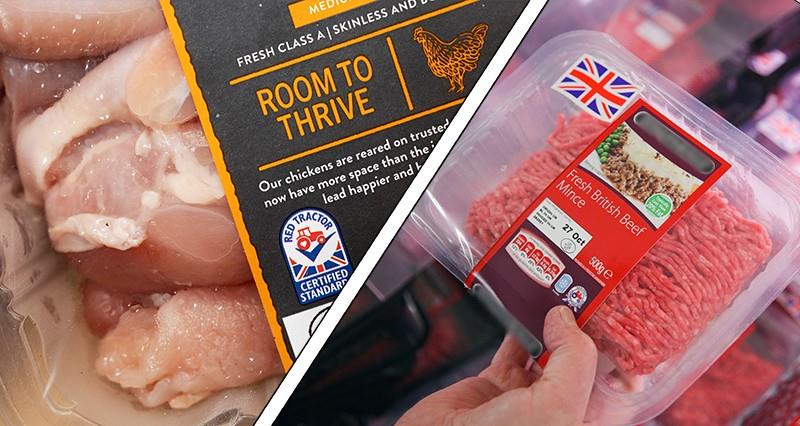
With poultry and egg producers competing with increasing volumes of imported products, particularly from Ukraine, and UK farmers facing the threat of an increase in imports of Brazilian beef and poultry meat, the NFU will continue to engage with the TRA to understand what, if any, action could be taken to better protect domestic producers.
As our understanding of the current situation continues to develop, the NFU will keep under review whether it may be appropriate to make an application for a TRA investigation and associated safeguarding measures to protect members’ businesses in the future.