Injurious weeds
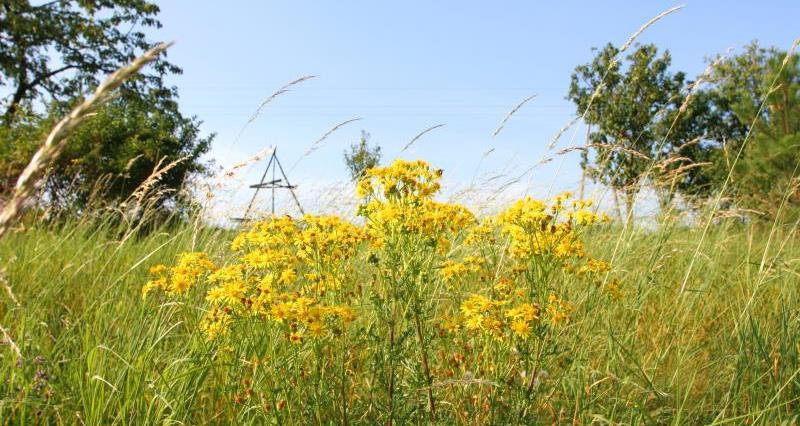
There are several species of ragwort in the UK; common ragwort is the most widespread and recognised. Although the plant does provide flowers for pollinating insects and food for caterpillars, common ragwort poses a real risk to animal health, with potentially fatal consequences if it is ingested by livestock. It is therefore listed in the Weeds Act 1959.
Five weeds are classified as ‘injurious’ under the Weeds Act 1959 – common ragwort (Senecio jacobaea), spear thistle (Cirsium vulgare), creeping or field thistle (Cirsium arvense), broad-leaved dock (Rumex obtusifolius) and curled dock (Rumex Crispus). It is not an offence to have common ragwort growing on land, however, if it presents a risk to livestock grazing and forage land it must be controlled.
Common ragwort management
Left unmanaged, a common ragwort problem is likely to become worse, as the species is highly vigorous. A single specimen can produce up to 150,000 seeds with a germination rate of up to 70%.
Managing and regularly checking grazing and forage land as well as bordering areas for common ragwort is important. If found it should be pulled, removed, and disposed of responsibly to remove the risk to livestock.
Common ragwort is a toxic plant, and suitable protective precautions must be taken when handling it. Cut and pulled common ragwort plants may still set seed and are toxic if ingested by livestock.
Where unmanaged common ragwort is present on areas bordering livestock grazing and forage land, farmers are advised to identify and resolve this directly with the landowner or manager.
In some cases, this may be on National Highways land. If common ragwort on National Highways land could spread to farmland and put livestock at risk, it can be reported by the landowner or manager to National Highways at: National Highways | Report a maintenance issue on our network.
Natural England guidance and complaints
If working with another landowner or manager to resolve a common ragwort issue doesn’t work, injurious weeds complaints can be made to Natural England between 1 April and 30 September. This is when the plant and any issues are easily identifiable. If valid, Natural England investigates the complaint and, if required, the landowner or occupier will need to take action to prevent its spread.
From 2026 onwards, Natural England has updated the guidance, requirements, and process for reporting injurious weeds to ensure the guidance is clear and it receives valid complaints.
To raise a complaint, a GOV.UK online form is available from 1 April until 30 September.
For common ragwort management complaints affecting agricultural land, Natural England can take action where you have provided evidence in the form that:
- The responsible landowner has failed to act despite asking them to remove the weeds. This evidence could include copies of letters or emails.
- Injurious weeds have spread widely onto your agricultural land, meaning there are more than 10 harmful weeds in one square metre. This evidence could include photos.
- The risk of spread to your land is extensive rather than localised, meaning at whole holding level or above. This evidence could include photos.
If the complaint is valid, and the weeds are considered high-risk, Natural England will write to the landowner or occupier asking them to remove the weeds by a specific date.
Landowners or occupiers are usually asked to clear the weeds within 28 days from the date of the letter. During June, July, August and September, landowners or occupiers will be asked to clear the weeds within 14 days. You can inform Natural England if the landowner or occupier has not cleared the weeds. You should do this within two weeks of the date specified. In these cases, Natural England will inspect the land.
The NFU will continue to engage with Natural England on these changes and the management of ragwort to ensure that farmers affected remain supported and any issues that may occur with the new process are addressed.
NFU action
Nationally and locally the NFU works with relevant stakeholders, such as local councils and National Highways, to raise members' concerns and advocate for the management of common ragwort which could present a risk to livestock.
Useful resources:
Below are several resources which may help with the identification and management of common ragwort or any of the other injurious weeds:
- A Defra leaflet helps with the identification of ragwort (and other injurious weeds).
- Defra guidance on how to stop ragwort from spreading including the Code of Practice to prevent the spread of ragwort.
- Guidance on how to make a complaint to Natural England about injurious weeds.