While much of the public conversation has focused on health outcomes for children, for farmers and growers, the review launched in April 2026 represents both a shift in demand and a clear opportunity to strengthen positions within public sector supply chains.
Renewed focus on nutrition and outcomes
The review aims to address not only child nutrition, but also wider issues such as behaviour, attendance and long-term health.
These priorities reflect a move toward whole-diet improvement rather than isolated interventions, with schools positioned as a key delivery point for long-term health change of the nation.
How the standards will change
To meet these objectives, the proposed measures include:
- Increasing the use of fibre-rich ingredients such as wholegrains, vegetables, fruit, beans and pulses.
- Increasing focus on water and milk consumption as preferable drinks.
- Restricting HFSS foods (high in fat, sugar and salt), including deep-fried products, confectionery, savoury snacks and processed meats.
- Ensuring menus meet cultural, religious and special educational needs requirements.
- Extending early years nutrition guidance into wider school settings.
- Introducing stronger accountability, including the appointment of a school food lead governor and mandatory publication of menus and policies.
This represents a tightening of standards alongside greater transparency, with schools expected to demonstrate compliance more clearly.
Implications for UK agriculture
For some time, there has been concern within the farming sector that a revision of school food standards would lead to reduced meat consumption and a shift toward heavily processed plant-based alternatives. This review suggests a different direction.
“This could benefit producers who are able to demonstrate provenance, welfare standards and sustainability credentials.”
NFU Food Business Unit Senior Adviser Jenny Varnam
Growth in fibre demand
The emphasis on fibre intake presents a clear opportunity for UK growers. Increased use of vegetables, fruit, beans and pulses across meals and snacks could significantly boost demand for domestically produced crops.
Farmers and producer groups may wish to engage more closely with local authorities and caterers to build resilient, local supply chains into schools. There is also potential to influence menu development and snack provisioning, ensuring British produce is embedded early in procurement planning.
Dairy demand and breakfast provision
The removal of fruit juices and sugar-sweetened drinks, combined with the expansion of breakfast clubs, could drive increased demand for milk. Schools will be limited to serving water, milk (including plant-based alternatives), sugar-free drinks, tea and coffee.
For dairy producers, this represents a valuable market opportunity, and a chance to educate young consumers on the high nutritional density and quality that dairy delivers.
“There is scope to strengthen the relationship between agriculture and education more broadly.”
NFU Food Business Unit Senior Adviser Jenny Varnam
Shift in meat procurement
While HFSS restrictions will limit processed meat products, there is no indication of an overall reduction in meat consumption. Instead, the focus moves toward quality.
Schools will be expected to provide pulses, meat or poultry as protein sources at least three times per week, opening the door for higher-quality, traceable British meat to play a central role. This could benefit producers who are able to demonstrate provenance, welfare standards and sustainability credentials.
The missing piece: procurement and curriculum reforms
Despite the opportunities outlined, one notable omission from the review is a clear commitment to local procurement and food curriculum reform.
The government has clearly stated its ambition for 50% of public sector food to be locally and sustainably sourced. Without alignment between standards and procurement policy, there is a risk that these ambitions will not be fully realised.
The NFU has been engaging with Defra in this area and is advocating towards:
- Reviewing procurement standards to support domestic sourcing.
- Simplifying supply chain access for SMEs and local producers.
- Expanding the use of dynamic procurement systems.
- Improving transparency and reporting on food sourcing in schools.
For farmers, access to public sector markets often remains complex. Any reforms that reduce barriers and improve clarity could unlock significant opportunities.
Building stronger links between farms and schools
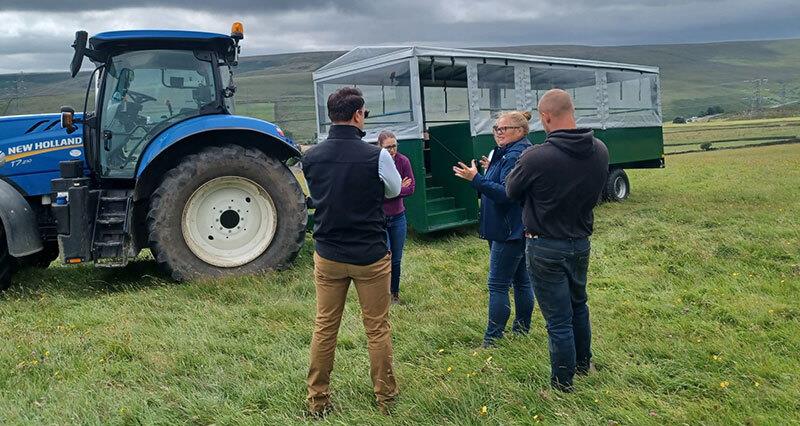
Beyond supply, there is scope to strengthen the relationship between agriculture and education more broadly. Local sourcing can provide not only fresh, traceable food, but also opportunities for schools to engage with farming through educational partnerships.
This could include farm visits, curriculum-linked learning, and greater awareness of food production – helping to connect children with the origins of their food and support long-term behavioural change.
What happens next?
Consultations will conclude in September 2026, with trials across the 26/27 academic year, to launch in September 2027. The NFU will continue to link into the process and push the need for policy changes to provide practical opportunities for our members.