For Great Britain, dynamic alignment with EU rules will represent a significant change in how legislation covered by the agreement is developed and passed.
Since the UK’s withdrawal from the European Union, domestic governments, both in Westminster and the devolved administrations, have controlled the regulations governing agricultural production and trade in Great Britain.
Within the forthcoming SPS agreement, it is expected that regulations on sanitary and phytosanitary standards, food safety, general consumer protection rules applicable to the production, the distribution and consumption of agri-food products, the regulation of live animals and pesticides, the rules on organics and marketing standards applicable to specific sectors or products will all be subject to dynamic alignment. Find out more about dynamic alignment.
The importance of maximising influence
The NFU wants the UK Government’s contribution to the EU decision-shaping process to be meaningful and for the government to already be gearing up its technical experts, scientists, diplomats, negotiators and regulators to prepare now, in order to retake their seats at the table and to influence rules that are currently in the EU decision-making ‘pipeline’.
The NFU believes that, given the size of the UK agri-food economy and potential contribution to EU rule-making, the UK should have access to all the Commission-level EU Committees and Working Parties within the scope of the Common Understanding on the same basis as Member States, whilst noting that it will not be possible for the UK to vote in these Committees.
In addition, in the field of PPP active substance approval, we would welcome the UK being able to act as a recognised rapporteur ‘member state’ and for HSE to be recognised as a ‘competent authority’, able to evaluate active substance dossiers, and make a significant contribution to the EU regulatory work, as it did before Brexit.
There is also a need for UK stakeholders to have access to the policy development processes that representatives of EU member states have (for example, full access to Commission advisory meetings and forums) in respect of the scope of the Common Understanding.
Maximising this influence is critical to ensuring that the interests and needs of British farmers and growers are reflected in future EU regulations, which will be subject to dynamic alignment and therefore apply to domestic producers.
Sufficient and variable transition ‘implementation’ period
It is not unusual to agree on transitional arrangements for the entry into force of international agreements. For instance, when the UK and the EU agreed the Withdrawal Agreement, they included a transition period that began on the date the UK formally left the EU (31 January 2020) and lasted until 31 December 2020.
Similarly, the proposed EU-Switzerland agreement builds in a 2-year transition from its entry into force, with the exception of rules around PPPs (plant protection products).
It is therefore reasonable to assume that the UK-EU SPS agreement will include transitional arrangements to give both parties the time to implement the agreed legal provisions.
The agricultural sectors have been impacted differently by Brexit, and since then, they have registered varying degrees of regulatory divergence. This context influences the sectors’ views on the length of any such transition period. For instance, the horticulture sector’s priority is to remove friction at the GB border, especially for imports of key inputs (eg, plant propagation material and plants for planting).
From a wider plant health perspective, the NFU wishes for the UK Government to negotiate a suitable transition period, which in effect enables the post 1 January 2021 GB diverged positions on PPPs and MRLs (Maximum Residue Level) to be retained, ideally until such point when the GB position is superseded by new EU decisions made while the UK is part of the ‘decision-shaping’ process.
We believe that the UK Government should negotiate a pragmatic, phased approach to implementation.
It is critical that the industry has sufficient time for adjustment, while not unduly delaying the unlocking of potential benefits.
This could be achieved through a variable-pace transitional arrangement with different commencement dates for dynamic alignment, depending on the degree of divergence and the time needed to prepare. For example, there are things we want to move forward now (remove friction at the border), while there are other dossiers that will require more time (continued use of UK-approved PPP actives).
Ministers have indicated that the government wishes to implement the agreement by mid-2027. This will likely require significant volumes of legislation to be laid in Parliament prior to the end of 2026.
The NFU is concerned that this self-imposed timeline risks holding the UK Government hostage to fortune within the negotiation process and does not leave enough time for businesses to align with EU legislation, especially in areas where there has been significant divergence.
The voice of British farming in Brussels and London
Throughout this negotiation process and under its expected implementation, the NFU will remain the voice of British farming, advocating for the interests of our members across England and Wales.
Our international trade team continues to have detailed engagement with the UK Government, while BAB (British Agriculture Bureau), the NFU’s office in Brussels continues to lobby the European Union directly on issues relevant to British agriculture.
More on the UK-EU SPS negotiations

UK-EU trade negotiations – how aligning with the EU will affect your business
Negotiations have begun between the UK and EU on a common SPS (Sanitary and Phytosanitary) area to reduce agri-food trade barriers by aligning with the EU on certain areas of regulation. Keep track of the negotiations on this page and see how the NFU is working to influence them on your behalf.
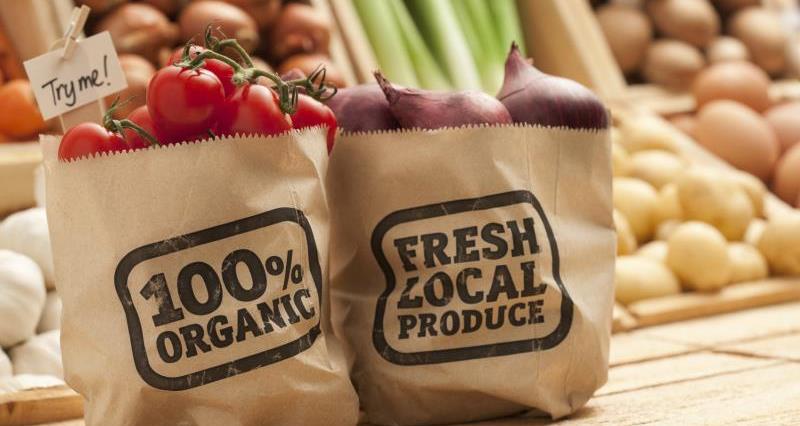
UK-EU SPS negotiations: Organics
GB will likely be expected to fully harmonise its regulations with the EU’s organic standards, including the adoption of any future amendments or updates.
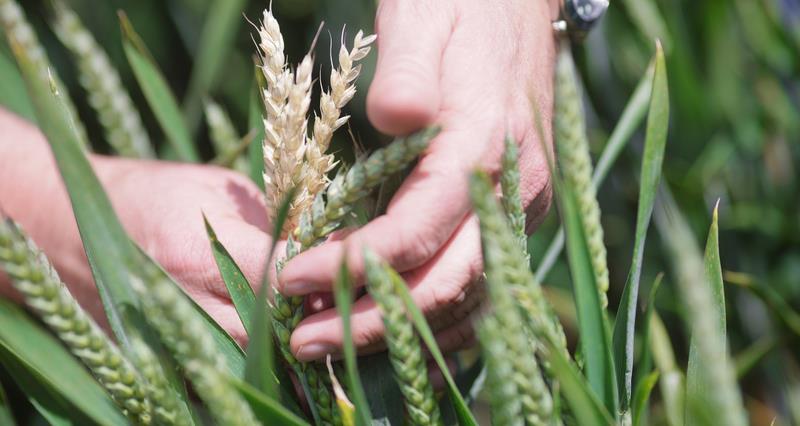
UK-EU SPS negotiations: Precision breeding
The UK now regulates crops produced using precision breeding differently from the EU, where such plants are still covered by GM rules.

UK-EU SPS negotiations: Timeline of the NFU's work
Keep track of our lobbying work as negotiations between the UK and EU on an SPS (Sanitary and Phytosanitary) agreement progress.
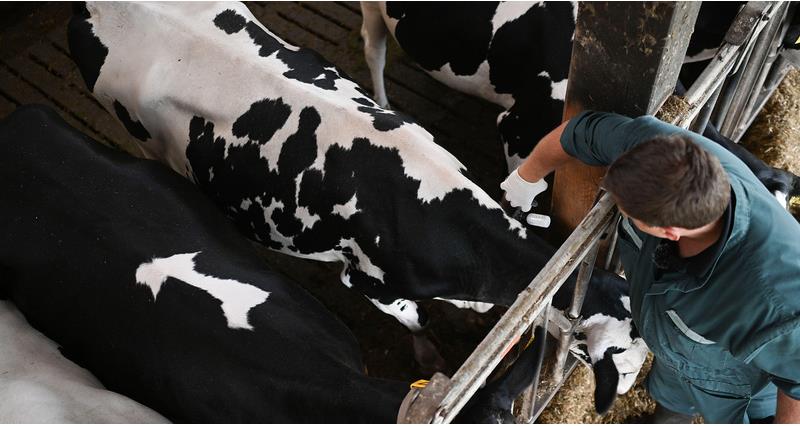
UK-EU SPS negotiations: Animal health
The NFU is aware of two issues which could impact upon wider animal health in Great Britain under dynamic alignment that we are lobbying the government on.
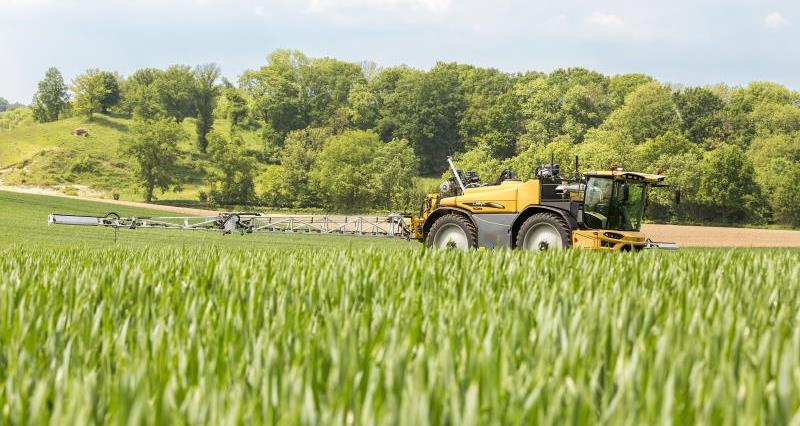
UK-EU SPS negotiations: Plant health
Some GB MRL trading standards have diverged from the EU MRLs. Aligning with the EU would likely have impacts on MRLs, glyphosate use and PPP authorisations.