Reports of shortages of farm vets are particularly visible in the media at present and, from speaking with NFU members, it’s clear these reports aren’t sensationalism.
These shortages are having a significant, detrimental impact on businesses, and members are reporting concerns of consolidation and contraction of farm vet services across England and Wales.
While there is a myriad of factors behind the shortages – from pay concerns to demanding workloads – that must be addressed by the sector’s regulators and key players, there is one issue that I believe livestock farmers can help resolve.
What farmers can do
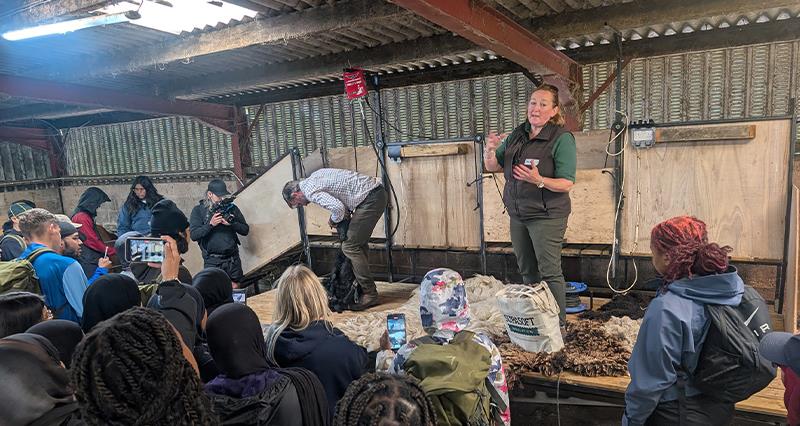
As you may already be aware, veterinary students can undertake practical experience, known as EMS (extramural studies), during the first stages of their training; often described as the ‘pre-clinical’ phase.
Experience at this stage is expected to focus on animal husbandry and understanding of farming businesses.
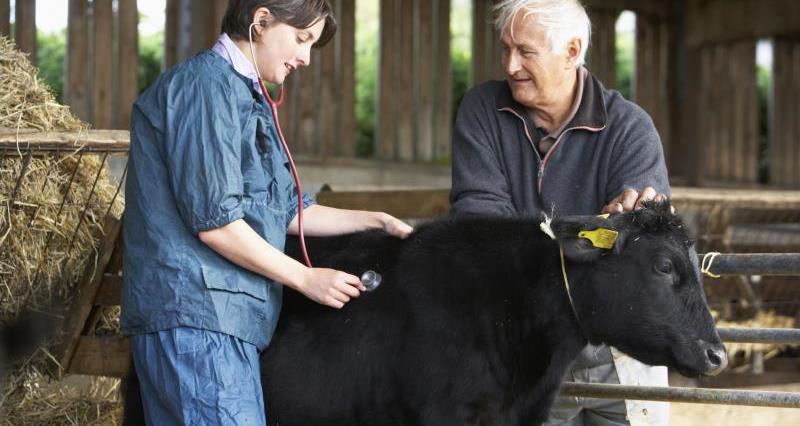
In the later ‘clinical’ training phase, they will revisit farm animal practice through structured university teaching and will have the opportunity to undertake clinical experience in farm animal vet practices as part of their EMS.

NFU urges rethink over vet school closure threat
The NFU is concerned to learn of recommendations in December by The University of Cambridge to close its vet teaching course imminently. The NFU believes this will only exacerbate shortages and has written in support of maintaining such a vital resource.
While it is still a mandatory condition for enrolment to the RCVS (Royal College of Veterinary Surgeons), the UK regulator of vets, for students to undertake teaching in farm animal disciplines, it is no longer a universal requirement to complete animal husbandry EMS on farms, or clinical EMS in farm practices.
Therefore, those students not wishing to pursue a career in farm animal medicine can, from the early stages of their training, opt out of most farm-oriented experiences.
This is a concerning development in the story of farm vet shortages. A growing number of students now have increasingly limited exposure to farmers and agriculture. Inevitably, these students are less likely to understand or advocate for British agriculture and are even less likely to consider a career pathway that involves farm animal veterinary practice.
However, as they say, where there is a challenge, there is an opportunity. There is an opportunity for farmers to intervene, to break this troubling feedback loop, by supporting positive farm placement experiences. This in turn will help to facilitate greater awareness of farm animal health and welfare policy in our vets’ formative stages of training.
Having a positive experience
We know from testimony that if vets are able to get out on farm, and have a positive experience while they’re there, then it creates a win-win situation for both student and farmer.
The student gets practical experience of working with livestock, and in the process (hopefully) develops an interest in the agricultural sector – or at the very least, dispels any negative preconceptions that may have put them off choosing a career in farm animal medicine.
The farmer sees the practical benefits of their animals having more time with veterinary professionals and develops their own understanding of the vet’s role in maintaining their business. An overwhelming majority of NFU members involved in facilitating vet placements report how much they value the experience and appreciate its significance in the training of vets.
When we’re talking about placements, the key word here is ‘positive’.
Recent studies of student experiences have highlighted how crucial it is for early experiences of agriculture and farms to be ‘positive and constructive’.
An important aspect of this is the provision of good quality placements, where mutual expectations are managed, and where students from all backgrounds feel comfortable.
NFU support
The NFU is working with individual vet schools and the Vet Schools Council to strengthen relationships between placement providers and the universities; ensuring that students are able to find the right farm experience to suit their needs.
Working with regional teams, the NFU will soon be developing further resources for farmers who provide placement experiences, supporting positive experiences all round. This work is, of course, allied with the existing NFU initiatives of Being One NFU and the AgriFuture programme, which welcome individuals from all backgrounds.
For farmers who want to do their bit to encourage more people into farm animal medicine, they should look out for regional NFU events on supporting farm vet student placements in early 2026 and make use of the planned resources, which will be available through NFUonline and regional NFU teams.
Let’s be clear, this is not a quick fix to the sector’s training problems. As I said before, there are other factors at play. For instance, several recent government enquiries have highlighted the need to update the legislation that governs veterinary practise, making it more relevant to the present and future needs of animal keepers.
There will be considerations for how the profession can best serve farmers, and how the next generation of vets can be trained, recruited and retained. The NFU will stay closely involved in these efforts, when securing the future of the profession has never been more important.
The NFU will also continue to engage with industry on these issues. As the NFU’s Senior Veterinary Adviser, I’m involved in outreach activities with UK vet schools; greatly increasing the visibility of British farming and NFU activities in animal health and welfare policy.
The NFU will also continue work on areas of shared interest with the British Veterinary Association and its specialist divisions, and the RCVS, particularly on legislative reform and the impacts of recruitment and retention of vets on resilience to animal disease threats.
Supporting the next generation of vets
While work is being done in the classrooms and boardrooms, there is work to be done on farm.
Farmers play an often-unseen role in facilitating the training of vet students and therefore can support the next generation of farm vets. In turn, this supports the future of animal agriculture; at a time when exotic disease challenges, and the impact of health and welfare on sustainability and productivity are in sharp focus.
The veterinary profession, like agriculture, is under pressure to adapt to changing expectations. Fortuitously, the opportunity to work together to address challenges may bring about shared benefits, mutual understanding and better conditions for all.