Defra has confirmed a case of FMD (foot-and-mouth disease) in cattle in Lesvos, Greece.
The UK Government has applied restrictions on certain Greek commercial imports to Great Britain.
Commercial imports of milk, colostrum and their products including feta and yoghurt are only permitted where the products have undergone the required heat treatment and are accompanied by the mandatory health certificate.
There are currently no cases of FMD in the UK.
Risk level
The risk of FMD entering the UK is currently assessed as low. Get more detail at: GOV.UK | Foot and mouth disease - Risk levels and outbreak assessments
Reporting suspected FMD
FMD is a notifiable animal disease. Suspected cases must be reported immediately. Failure to do so is an offence.
- England – call the Defra Rural Services Helpline on 03000 200 301.
- Wales – contact 0300 303 8268.
- Scotland – contact your local Field Services Office.
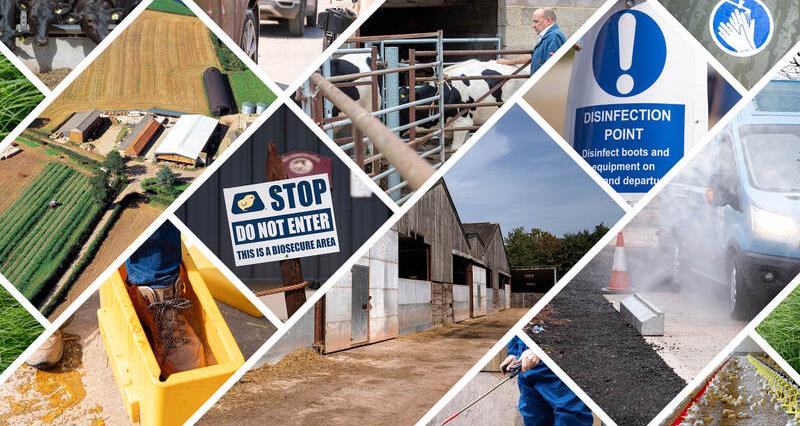
FMD can spread very quickly, therefore it is vital that suspected cases are reported immediately, and that keepers practice good biosecurity. This includes following Defra guidance on importing goods and taking precautions with visitors and when travelling to countries affected by FMD.
Signs and symptoms
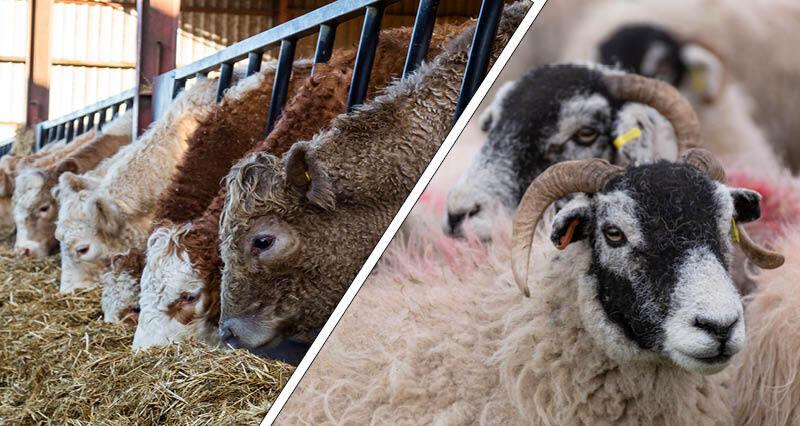
FMD affects cloven-hoofed animals, including cattle, sheep, pigs, goats and deer. It is spread through all excretions and secretions of infected animals, such as particles in the breath, saliva, milk, semen, urine, faeces and fluid from blisters.
The virus can also be spread through:
- The breath of infected animals, which can travel large distances
- Contaminated pens and buildings
- Contaminated vehicles, clothing and footwear
- Contaminated feed, water and equipment
- Raw or improperly cooked contaminated animal products fed to susceptible animals
The virus can be present in secretions up to four days before clinical signs of the disease are detected. Blistering is the typical clinical sign and can appear on the nose, tongue, lips, in the mouth, between toes, above the hooves, teats and pressure points. Other signs include:
- Fever
- Lameness
- Drooling
- Depression
- Loss of appetite
- Loss of weight
- Drop in milk production
- High youngstock mortality
Animals that recover may act as carriers of the disease.
For more information on the signs and symptoms of FMD, visit: GOV.UK | Foot and mouth disease: how to spot and report it
Further information is also available from: AHDB | Foot and mouth disease