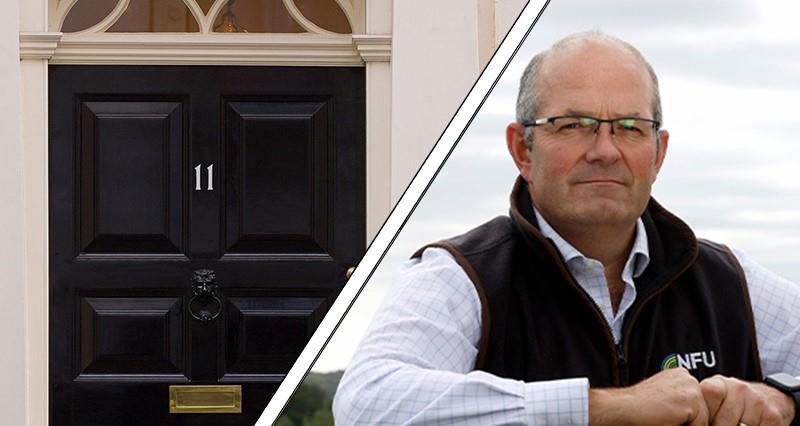
‘Confidence is the missing ingredient’ ahead of the Budget, says NFU President
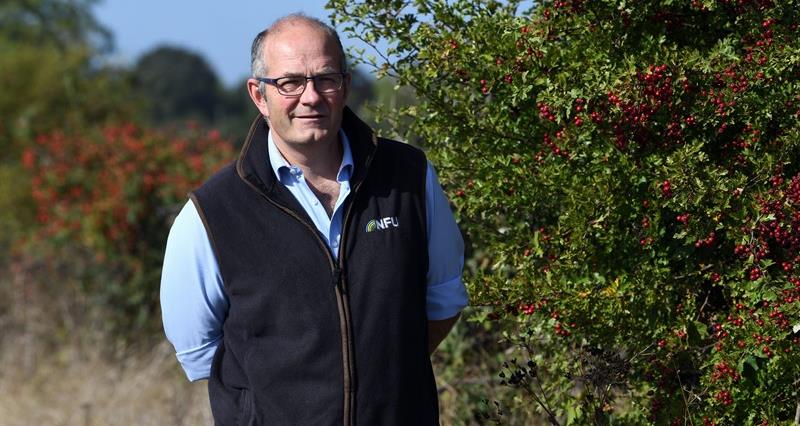
Photograph: Warren Page

Tom Bradshaw
NFU President
The Budget offers a chance to boost confidence across UK agriculture. In this blog, NFU President Tom Bradshaw explains why increasing the Annual Investment Allowance should be a key priority for the Chancellor.
The Government wants growth. British farmers are ready to deliver it. The question is whether ministers are prepared to remove the barriers standing in their way.
It goes without saying that changes to IHT (inheritance tax) in the 2024 Budget, which created uproar, have broken confidence and are penalising investment in the very infrastructure which underpins food production, because if farmers increase their assets, they increase their tax liability.
Reversing these changes is the first significant step the Chancellor could take.
However, there is also a wider concern. Currently, the UK is producing significantly less food than it was 30 years ago. A recent NFU report painted a stark picture of falling production, with self-sufficiency down in 10 out of 11 everyday foods.
At a time of geopolitical volatility and climate extremes has there been a more important time to reverse these declines?
‘Confidence is the missing ingredient’
Across the country, farming businesses are developing plans to boost productivity, improve energy efficiency, strengthen environmental performance and increase domestic food production, but the missing ingredient is confidence.
The problem is not a lack of ambition. It is a tax system that too often penalises long-term investment rather than encourages it.
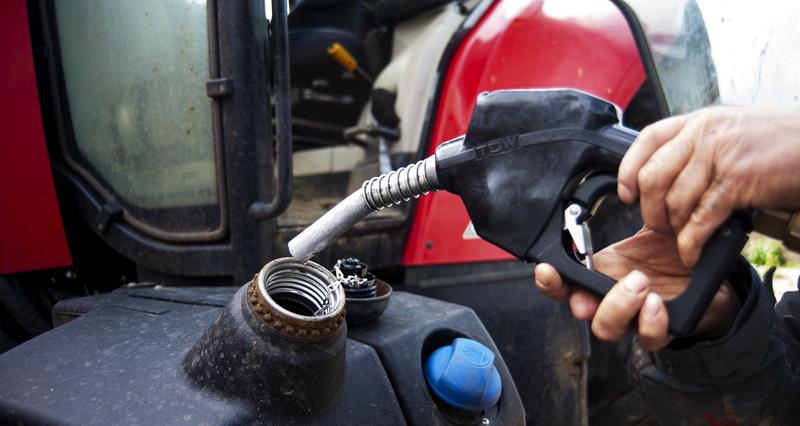
That is why the NFU is urging the Chancellor, at the Budget, to increase the AIA (Annual Investment Allowance) from £1 million to at least £5 million and extend its scope to include structures and buildings.
The current AIA only allows businesses to deduct qualifying investment in plant and machinery from taxable profits. No doubt, it has been an important tool for encouraging investment, but farming is different from many other sectors.

Some of the most vital investments we make are not in machinery alone. They are in housing for animals, grain stores, water infrastructure, packing facilities, renewable energy installations and other farm buildings that support food production.
Under the current system, many of these investments receive tax relief only slowly over time, making ambitious projects harder to justify and finance.
At a moment when UK food security, climate resilience and economic growth are all supposedly national priorities, that approach makes no sense.
“Alongside defence and energy, food production must be part of our critical national infrastructure.”
NFU President Tom Bradshaw
Farming needs a different approach to investment
Successive governments have sleepwalked into making it harder to produce food at home, leaving Britain increasingly reliant on imports produced to standards that would be illegal here.
The consequences can be seen in farming businesses across the country.
One story reflects a national challenge
Take Dorset egg producer Tim Gelfs. He operates two farms and currently uses two 8,000-bird units, one of which is rented from another farmer.
There is strong local demand for eggs, with an established market seeking additional supply. Customers include farm shops, restaurants, care homes and a local egg packer – all keeping the local economy afloat.
Tim wants to expand egg production on the farm, giving the business greater security and supporting long-term family investment.
The proposed expansion would require around £2 million of investment in new buildings and improved infrastructure. This would also help improve bird welfare through measures such as cooling or misting systems.
Yet such developments require substantial capital. Extending the AIA to include buildings and structures would transform the investment case. Instead of spending years waiting to realise the tax benefits, farming businesses like Tim’s could reinvest more quickly in infrastructure that boosts productivity and strengthens the resilience of domestic food production.
“Give Britain’s farmers the tools to invest and they will repay that confidence many times over through higher productivity, stronger economic growth, greater resilience and enhanced food security.”
NFU President Tom Bradshaw
Investing in food security and growth
The same principle applies right across the UK farming industry.
Arable growers want to invest in grain storage that reduces waste and improves market opportunities.
Horticultural businesses need glasshouses, polytunnels and packing facilities to increase home-grown fruit and vegetable production.
Livestock producers require modern housing that improves welfare and efficiency.
Farmers in areas impacted by drought want reservoirs and water storage systems that protect production during increasingly volatile weather.
These are not luxury investments. They are the foundations of a competitive, sustainable and resilient food and farming system.
Critically, they also deliver wider public benefits. Every pound invested on farm helps strengthen local supply chains, creates demand for rural contractors and manufacturers, and supports jobs in local economies.
This is precisely the sort of private-sector investment the government says it wants to unlock.
A Budget that backs British farming
UK food security should also be part of the equation. Increasing domestic food production is not only an economic objective; it is a strategic necessity. Alongside Defence and Energy, food production must be part of our critical national infrastructure.
A commitment by the Chancellor to overturn IHT and raise the AIA to at least £5 million and extend it to buildings and structures would send a powerful signal that the government backs British farming and understands the realities of modern food production.
Give Britain’s farmers the tools to invest and they will repay that confidence many times over through higher productivity, stronger economic growth, greater resilience and enhanced food security.
The question is no longer whether Britain can afford to make this change. It is whether it can afford not to.