NFU’s road to the Budget 2026 – timeline of our work
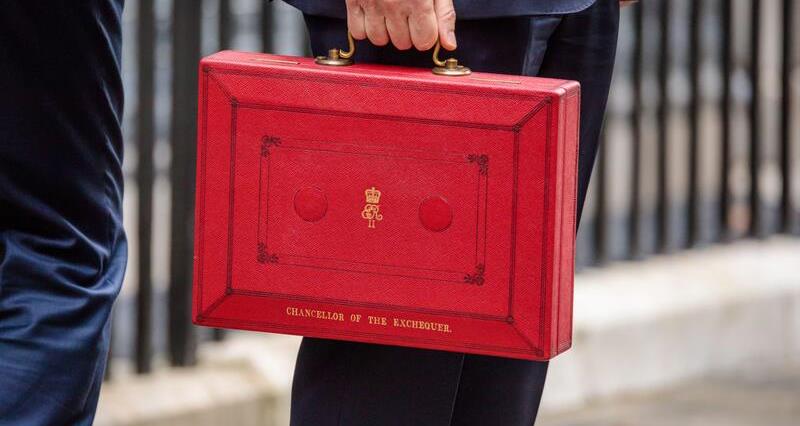
On 28 October, the Chancellor of the Exchequer, John Healey MP, will have delivered his first Autumn Budget since he was put in post in July.
Speculation on what the chancellor will announce has been rife, and it is difficult to predict with any degree of precision what he will announce to the House of Commons. It comes at a time of higher spending, increased borrowing costs, and geopolitical turmoil.
In its most simple terms, the purpose of the budget is for the Government to set out its plans for the economy, taxation and spending.
Importantly, and broadly, the Budget will not set out how each governmental department will be spending the funding they are allocated – such as Defra's spending on SFI and ELMs.
The NFU has spent the year making a clear, evidence-based case for farming. Our timeline shows the key campaigns, research and lobbying activity that support our Budget asks and will drive change for British agriculture.
Making the case for farming
The Budget provides the opportunity for the NFU to lobby on behalf of our members for tax policies that will deliver tangible results on your farm, which we have been doing over the summer.
To see more of our work on the Budget:
The NFU has been making the case for a tax regime that supports farming businesses to invest and grow, and to help weather some of the challenges that have been thrown up this year.
Like we do every year, the NFU made our official submission to the Treasury in September. We have been landing asks on Inheritance Tax, Annual Investment Allowances, and the Carbon Border Adjustment Mechanism (CBAM) tax.
How Budget measures become law
Importantly, and broadly, the Budget will not set out how each governmental department will be spending the funding they are allocated.
Some tax changes announced will take effect immediately. This is usually on excise duties on things like tobacco. Most of the changes, however, need to be given legal effect through a Finance Bill.
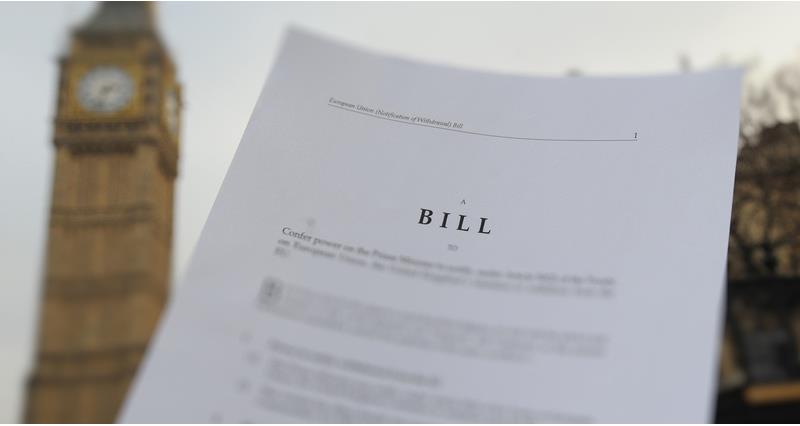
The Finance Bill must have its first debate in Parliament – called its Second Reading – within 30 days of the Budget, and must become law within seven months.
Typically, the Finance Bill will be passed – and thus become the Finance Act – before the start of the new financial year, so that any new tax rates are implementable.
Importantly, and broadly, the Budget will not set out how each governmental department will be spending the funding they are allocated.
What it means for members
On Budget Day, the NFU will be following closely what is announced and will provide members with an update for what it means for them.
NFU’s road to the Budget 2026 timeline
Government announces tariff cuts as part of Budget package
Twenty-four hours before the Budget, Chancellor John Healey has announced a series of tariff cuts including the tariff on fertilisers in a bid to help farmers.
The NFU believes that the benefit to farm businesses of any tariff removal is likely to be minimal.
Any savings will depend on whether it is passed down the supply chain and whether the products covered reflect those actually used by UK agriculture.
The majority of countries we import from already did not have a tariff applied, including EU countries, Egypt and Algeria.
NFU President Tom Bradshaw said: “Unfortunately, the fertiliser tariff reductions being talked about today are unlikely to make a meaningful difference to farm businesses or household food bills.
“As we have said repeatedly, strengthening domestic food production is the best way to improve food security and cost of living pressures.”

NFU Combinable Crops Board Member explains our CBAM Budget ask
NFU Combinable Crops Board Member and Regional Vice-chair (East) Matt Redman explains why a 12-month delay for fertiliser is needed by farmers.
The NFU continues to call on the government to ensure the CBAM (Carbon Border Adjustment Mechanism) does not leave British food producers at a competitive disadvantage against imports.
To watch the full social media video, visit our Facebook post.
NFU's Budget asks raised by MPs in Opposition Day Debate
A number of our Budget asks were raised by MPs from across the political divide during the Support for Farmers Opposition Day debate.
These included:
- Labour MP Josh Newbury highlighting the NFU’s call for Treasury-backed loans to help farm businesses facing acute pressures.
- Liberal Democrat MP Olly Glover (Didcot and Wantage) calling on the government to increase the Annual Investment Allowance to at least £5 million, address the impact of CBAM and introduce a temporary programme of interest-free farm crisis loans.
- Labour MP Markus Campbell-Savours (Penrith and Solway) calling for “the end of the family farm tax”, while Robbie Moore called for the restoration of 100% APR (agricultural property relief) and BPR (business property relief).

NFU shares what crisis loans would mean for a potato farm
Lincolnshire farmer Steph explains what crisis loans would mean for her potato farm.
The NFU continues to call on the government to provide short-term loans and introduce a fallen stock scheme, giving farmers the breathing space to recover and plan for the year ahead.
To watch the full social media video, visit our Facebook post.
NFU Midlands spotlights farming asks at pre-Budget MP meetings
NFU members from across the Midlands region have spent the weeks leading up to the 2026 Budget highlighting key industry asks with Labour MPs.
Members and staff joined forces in a series of meetings with their local politicians and stakeholders, pressing on the need for action from the government in the impending Budget to back up supportive words.
Read the NFU Midlands Budget action page for more information and details of the MP meetings held.

NFU South team puts Budget asks on MPs agenda
Ahead of the Budget, NFU South members and staff have been meeting MPs, councillors and other stakeholders to raise awareness of the serious challenges facing farm businesses.
Members have also made numerous media appearances to highlight what farmers would like to see in the Budget.
Read the NFU South Budget action page for more information and details of the MP meetings held.
Photograph: NFU South members with Anna Sabine MP
NFU North calls for action to back up words in 2026 Budget
NFU North has urged the Chancellor to use the Budget to reduce the cost of producing food, restore farm business confidence and strengthen Britain's good security.
At recent meetings with MPs, councillors and stakeholders, NFU North has highlighted the contribution that farming makes to the economy of the region and outlined what support is needed.
Read the NFU North Budget action page for more information and details of the MP meetings held.

NFU President meets with government advisers
With one week to go until the Budget announcement, NFU President Tom Bradshaw met with government advisers at No. 10 Downing Street.
Tom pushed our asks including on the Annual Investment Allowance, red diesel and a full reversal of the Family Farm Tax.

Record diesel prices strengthen case for farming support at Budget
The NFU is urging the government to use the upcoming Budget to ease pressure on farm businesses as record diesel prices add to an already challenging year for British food production.
UK diesel was averaging a record £2.00 per litre at the time of writing, driven by disruption to global energy supplies and continuing conflict in the Middle East.
As a significant and unavoidable cost for farming, food production and the wider supply chain, the price hike reinforces the NFU’s Budget asks and highlights the importance of domestic food-production resilience.
NFU Deputy President Paul Tompkins said: “As fuel prices rise again due to geopolitical events, so does the financial strain for British farm businesses.”

NFU shares what inheritance tax means for one family farm
Staffordshire farmer Joe shares how the government's proposed inheritance tax changes could affect his family farm and future plans.
The NFU continues to call on the government to reverse the changes, restore confidence and address farmers' concerns about the long-term viability of family farming businesses.
To watch the full social media video, visit our Facebook post.
NFU East seeks Budget action to support the region's farmers
NFU East has highlighted the crucial need to support the region's £13.6 billion agri-food chain ahead of the Budget.
Members and staff have met with MPs, councillors, stakeholders and banks to raise awareness of the serious challenges facing farm businesses and to call for action.
Regional Policy Manager Charles Hesketh said farmers are facing a crisis in cash flow and confidence, due to factors including the Middle East conflict and serious drought.
Read the NFU East Budget action page for more information and details of the MP meetings held.
Budget must deliver CBAM protections for British farming, says NFU
As government published illustrative rates for the CBAM (Carbon Border Adjustment Mechanism), the NFU has warned that the UK’s new impending tax must not place domestic food producers at a competitive disadvantage against imports.
The NFU said the new tax is designed to ramp up year on year, adding ever growing costs to fertiliser at a time when farming businesses are already facing huge inflationary pressures.
NFU Deputy President Paul Tompkins said: “A tax on those fertiliser imports is most likely to be felt by farmers who are already operating on the tightest of margins and can’t simply absorb these extra costs or pass them on.”
NFU highlights Budget opportunity to unlock farm water investment on BBC Today
In an interview on BBC’s Today programme, NFU Deputy President Paul Tompkins said the upcoming Budget presents an opportunity for the Chancellor to broaden and expand the Annual Investment Allowance, helping farmers invest in infrastructure projects such as on-farm water reservoirs.
Opposition debate on inheritance tax highlights NFU concerns
MPs drew on NFU analysis during an Opposition Day debate on inheritance tax, raising concerns about the effect of the family farm tax on farm investment, profitability and succession.
Labour MP Markus Campbell-Savours acknowledged the specific concerns surrounding farm taxation and urged the Government to take further action at the Budget.
He distinguished targeted support for farms from the Conservatives’ wider proposal to abolish inheritance tax on family homes.
This marks another occasion on which a Labour MP has gone on record acknowledging the NFU's concerns.

NFU reflects on Tom Bradshaw's Back British Farming Day speech ahead of the Budget
Ahead of the Autumn Budget, we reflected on NFU President Tom Bradshaw's speech at the NFU Parliamentary Reception on Back British Farming Day.
The social media clip highlights discussions with MPs, the Defra Secretary and the Farming Minister on the impact of IHT (inheritance tax) changes on family farm investment.
To watch the full social media video, visit our Facebook post.

NFU welcomes Public Accounts Committee evidence sessions on food security
The NFU hosted a PAC (Public Accounts Committee) event at our London offices during a week of evidence sessions where the PAC is putting the resilience of the UK’s food supply under parliamentary scrutiny.
The committee’s inquiry will examine the potential impact of serious disruption to our food supply chains and the country’s level of preparedness, bringing together representatives from farming, food manufacturing and retail.
Against the backdrop of the committee sessions, the NFU has urged the Chancellor to recognise the risks facing homegrown food production and use the upcoming Budget to strengthen the nation’s food security.
Below: NFU Deputy President Paul Tompkins presenting beside PAC member Sir Geoffrey Clifton-Brown at the PAC event in the NFU's London offices.

Tom Bradshaw updates members on retailer backing for AIA changes
In a social media video, NFU President Tom Bradshaw welcomed major retailer support for the NFU's calls on changes to the AIA (Annual Investment Allowance).
To watch the full social media video, visit our Facebook post.
NFU and retailers urge Budget action to strengthen Britain’s food security
The NFU brought together the UK’s leading supermarket retailers to back our asks on the Annual Investment Allowance.
Together, the NFU and retailers called on the Chancellor to use the upcoming Budget to unlock billions of pounds of private investment in British food production and strengthen the nation’s food security.
In a joint letter, the consortium warned that Britain’s farmers and growers are being held back from making vital long-term business decisions because current tax rules fail to adequately support investment in essential farm infrastructure.
The NFU ask would see the Annual Investment Allowance increased to at least £5 million and extend its scope, supporting long-term investment in productivity, energy efficiency and water management.

NFU ensures farming voice is heard by Conservative leaders
Meeting with opposition ministers, MPs, councillors, and industry leaders, the NFU had a strong presence at the Conservative Party Conference in Birmingham, keeping the issues facing farmers high on the agenda.
In a speech to Conservative politicians and members, NFU Deputy President Paul Tompkins warned that this summer had been another difficult one for farmers.
Paul Tompkins held follow-up meetings to discuss the NFU’s priorities, including our Budget asks, with Opposition Farming Minister Robbie Moore and Opposition Nature Minister Aphra Brandreth, who was promoted to the Conservative frontbench this summer.
NFU Deputy President Paul Tompkins and Shadow Secretary of State for Environment, Food and Rural Affairs speaking at the Conservative Party Conference NFU Great British Breakfast

NFU champions British farming at Labour Party Conference
The NFU had a strong presence at this year's Labour Party Conference, ensuring the voice of British farming was heard loud and clear by ministers, MPs and key political stakeholders.
At the NFU's Great British Breakfast, hosted in Liverpool's iconic Liver Building, politicians, policymakers and industry representatives discussed the key issues facing British agriculture.
Ahead of the Budget, NFU President Tom Bradshaw outlined what policies are needed to give farm businesses the confidence, stability and financial strength to keep producing.
NFU writes to the Chancellor with Budget asks
The NFU urged the Chancellor to use the upcoming Budget to reduce the cost of producing food, restore farm business confidence and strengthen Britain's food security.
In the submission, the NFU calls on the Chancellor to prioritise measures that will build business confidence, unlock investment and help secure the future of British food and farming:
- Increase the Annual Investment Allowance to at least £5 million and extend its scope
- Provide funding for temporary interest-free Keep Britain Growing Loans
- Ensure the Carbon Border Adjustment Mechanism does not put domestic food producers at a disadvantage to imports.
- Remove changes to Agricultural Property Relief and Business Property Relief
- Introduce enhanced capital allowances for incorporated and unincorporated businesses
- Extend the cut in duty to red diesel to alleviate the cost pressure placed on members by the ongoing conflict in the Middle East
Telegraph features NFU's call to scrap family farm tax
The Daily Telegraph featured the NFU's call to scrap the ‘ruinous’ family farm tax, running an article and opinion piece from Tom Bradshaw warning that the policy is draining confidence from farming businesses and holding back investment in food production.
Read the full article: Andy Burnham urged to scrap ‘ruinous’ family farm tax in the Budget

Industry challenges top of the agenda at NFU's Liberal Democrat reception
As with all other major English party conferences, the NFU hosted its now well-known Great British Breakfast event for MPs, councillors and delegates at the Liberal Democrat party conference in Brighton.
NFU Deputy President Paul Tompkins discussed how the party had worked together with the NFU on opposing the family farm tax and securing a rise in the threshold from £1m to £2.5m.
A room of more than 100 delegates heard from NFU Deputy President and Efra Committee Chair Alistair Carmichael.

NFU launches Ready to Grow report
The NFU's Ready to Grow report published ahead of Back British Farming Day highlighted the action needed to help farmers meet growing public demand.
The report made the economic case for restoring confidence and investment in farming, setting out both immediate and strategic asks of government.

NFU pushes farming agenda at Reform Party Conference
The NFU hosted more than 150 Reform delegates at the Great British Brunch during the Reform Party Conference in Birmingham.
NFU President Tom Bradshaw was joined by Danny Kruger MP, Head of Reform’s Preparing for Government Unit, and Richard Tice MP, Reform’s Business, Trade and Energy Spokesperson spoke at the event.
Kruger re-iterated how Reform would reverse the inheritance tax changes.
NFU calls for urgent government support to ease fertilising purchasing pressures
The NFU renewed its call for government backed, interest-free loans to help farmers following a message from the UK Fertiliser Farming Stakeholder Group about fertiliser supplies.
The message posed the challenge of whether enough fertiliser can be imported, manufactured, stored, processed, bagged, loaded and delivered to farms in time for the spring application window.
NFU Deputy President Paul Tompkins said: “We are facing an immediate crisis in cashflow and confidence.
“That’s why we’re calling for a government backed, interest-free loan, linked to the losses caused by this summer’s drought, which would give farm businesses the working capital to produce next year’s food.”

NFU convenes farming roundtable to secure next year’s food production
The NFU brought together farming organisations to agree the urgent action and key investments needed to secure the future of farming businesses.
During the roundtable, farming organisations warned that, without immediate action, next year's food production and the future of the next generation of farmers are at risk.
The key investments the NFU set out were:
- Keep Britain Growing Loan – a government-backed, interest-free loan, linked to the losses caused by drought, which would give farm businesses the working capital to produce next year’s food.
- Fallen stock scheme – urgent government support is needed to help livestock farmers affected by bluetongue disease meet the rising costs of fallen stock collection and disposal.
Photograph: Adam Fradgley Exposure Photography
NFU calls for greater investment in reservoirs and on-farm infrastructure
The NFU called on the UK government to strengthen domestic food security by prioritising water for food production.
Key asks included introducing more flexible abstraction licences to reflect a changing climate, streamlining the planning system and supporting investment in on-farm reservoirs.
The NFU also urged the government, EA (Environment Agency) and water companies to create a risk register for vulnerable business water users.

NFU outlines Fertiliser Resilience Plan
The NFU published its Fertiliser Resilience Plan, setting out a series of immediate action from government and industry to help UK farm businesses manage rising production costs driven by the Middle East conflict.
Key asks included a direct support trigger, a postponement and review of the CBAM (Carbon Border Adjustment Mechanism), greater knowledge sharing on nutrient management, and additional transparency across the fertiliser market.
NFU calls for coordinated policy framework to deliver net zero
The NFU warned that hitting net zero targets will be “extremely difficult” without the necessary support and incentives from the government.
NFU President Tom Bradshaw said: “We all know there is an urgent need for the UK to take further steps to decarbonise, and British agriculture remains committed in its drive towards sustainable, climate friendly farming. But we can’t get there on our own.
“Without a clear, coordinated strategy, and well thought out policies and incentives from government and the rest of the supply chain, hitting net zero in farming will remain extremely difficult to deliver.”
NFU calls for carbon emissions tax to be postponed amid Iran war cost pressures
The NFU has previously expressed concerns that the CBAM (Carbon Border Adjustment Mechanism) will push up the cost of fertiliser for farmers, particularly for the arable sector.
The war in the Middle East and the subsequent blockade of the Strait of Hormuz has seen disruption to supplies of oil and gas.
NFU Deputy President Paul Tompkins said that without a pause: “CBAM risks having a material impact on growers’ and farmers’ ability to produce food at a time when we must grow domestic food production.”

Government announces relaxation of planning rules for small wind turbines
After sustained campaigning by the NFU, the government announced that farmers could soon be able to install small onshore wind turbines in England without the need for planning permission.
The new proposal would allow farmers to install one turbine of up to 30 metres without needing to submit planning proposals.
Responding to the news, NFU President Tom Bradshaw said: “For too long, we have faced unnecessary barriers to upgrade infrastructure on farm.
“It’s why we have been working with government to revise planning policies to include enhanced permitted development rights for small-to-medium wind turbines to make it easier for farmers to invest in and benefit from on-farm renewable energy.”
Discover other impactful NFU work through our timelines