In 2019, we were proud to be the first sector to declare our ambition for UK agriculture to reach net zero by 2040 – ten years ahead of the government’s own target for the UK to be net zero by 2050.
It was never our intention for this be to a requirement of individual farms, more an aspiration for the whole sector, and, importantly, it was always reliant on support from the entire supply chain as well as clear, coordinated government policy.
NFU position on net zero targets
Our position remains that journeying towards net zero must not compromise food production, farm profitability, or export emissions overseas by replacing British food with imported food produced to lower standards of environmental protection.
“Without a clear, coordinated strategy, and well thought out policies and incentives from government and the rest of the supply chain, hitting net zero in farming will remain extremely difficult to deliver.”
NFU President Tom Bradshaw
The NFU still firmly believes that British farming is very much part of the solution to decarbonising the UK economy.
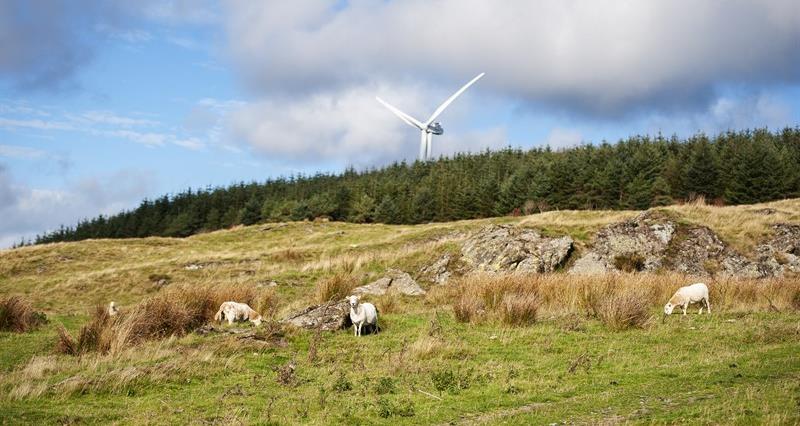
This ambition was predicated on support from government, to create coordinated policy incentives and levers for the farming sector to improve productivity, capture more carbon via changes to land use, and to boost renewable energy and the wider bioeconomy.
This was never going to be an ambition we delivered alone. Support from wider industry and others remains essential.
British farmers remain at the ‘sharp end’ of climate change
The reality is, this policy framework hasn’t materialised and, in some cases – using trade as an example – current policies completely undermine the government’s own net zero strategy.
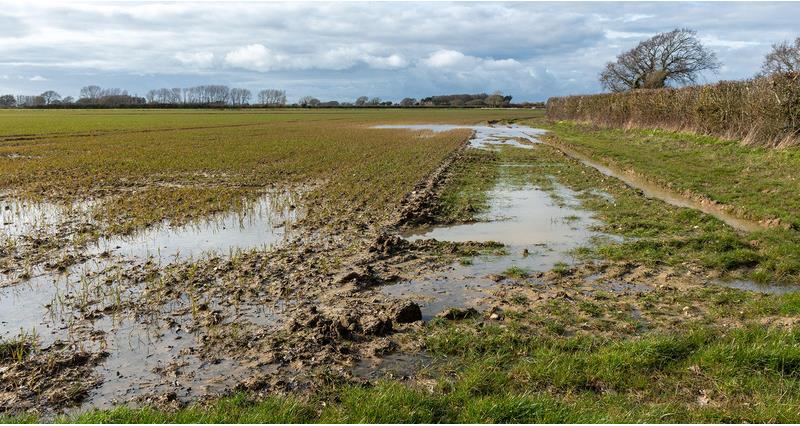
At the same time, British farmers and growers remain at the sharp end of climate change and increasing weather volatility, with a cycle of extreme drought and intense flooding becoming the norm, meaning that on many farms, climate friendly farming is more than a moral imperative; it makes critical business sense.
The NFU will continue to work with its members to build more resilient, profitable, and sustainable farming business, to secure the sector that grows the raw ingredients for UK agrifood, the UK’s largest manufacturing sector, worth more than £150bn and supporting jobs for more than 4 million people.
‘We can’t get there on our own’
NFU President Tom Bradshaw said: “We all know there is an urgent need for the UK to take further steps to decarbonise, and British agriculture remains committed in its drive towards sustainable, climate friendly farming. But we can’t get there on our own.
“Without a clear, coordinated strategy, and well thought out policies and incentives from government and the rest of the supply chain, hitting net zero in farming will remain extremely difficult to deliver.”