The impact of climate change is already influencing livestock health across the UK. One of the most significant and often underestimated impacts is the effect on parasitic diseases in cattle and sheep. Warmer temperatures, milder winters, and changing rainfall patterns are creating more favourable conditions for parasites to survive, reproduce, and spread.
Longer grazing season, higher parasite burden
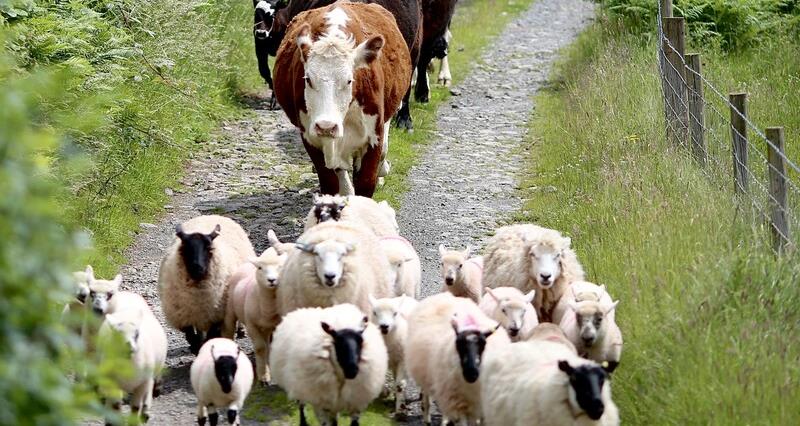
Rising temperatures are extending the grazing season, meaning animals are exposed to infective parasite stages for longer periods.
Traditionally, cold winters helped suppress parasite populations by killing off larvae on pasture. However, milder winters now allow more larvae – particularly Trichostrongle gastrointestinal worms such as Ostertagia in cattle and Teladorsagia in sheep – to survive and infect stock early in the grazing season, or even to remain active throughout the winter, contributing to persistent PGE (parasitic gastroenteritis) .
This leads to earlier and heavier parasite challenges, which can cause reduced weight gain, poor body condition, and lower milk yields.
Changes in rainfall and pasture contamination
Increased rainfall and more frequent extreme weather events also play a major role. Moist conditions are ideal for the development and migration of parasite larvae from dung onto pasture where they are ingested by grazing animals.
For example, liver fluke (Fasciola hepatica) is strongly influenced by wet conditions. The mud snail that acts as its intermediate host thrives in wet, poorly drained ground. Wetter autumns in particular are associated with higher fluke risk, which can lead to significant production losses and even fatalities in both cattle and sheep.
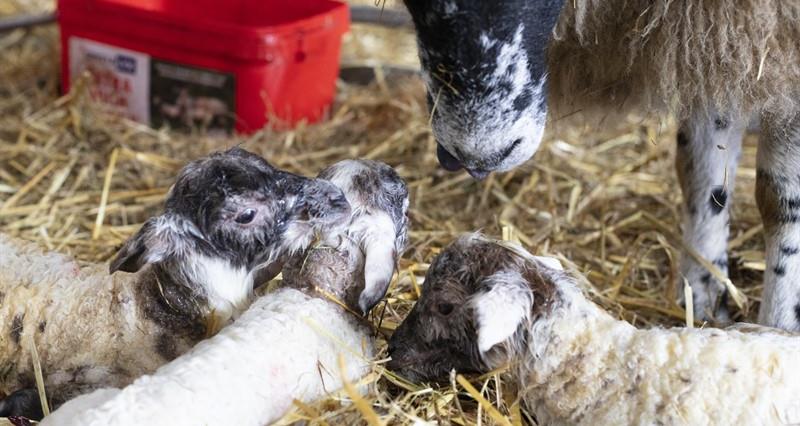
Earlier and milder springs are also contributing to early and rapid emergence of the Nematodirus battus worm, leading explosive outbreaks and potentially fatal disease in young lambs.
Emerging and expanding parasite risks
Climate change is also allowing some parasites to expand their geographic range within the UK. Warmer conditions favour parasites that were previously limited by cooler climates. For instance, Haemonchus contortus (barber’s pole worm), traditionally more common in southern regions, is being reported more frequently further north. This parasite can cause severe anaemia and sudden death in sheep if not managed effectively.
Expanding tick habitats increasing the risk to cattle and sheep, as milder winters and changing land use allow ticks to spread and stay active longer. This raises exposure to diseases like louping ill and babesiosis, impacting animal health and farm productivity. Regular monitoring and effective parasite control are key to reducing these growing risks.
Impact on control strategies
These shifts make parasite control more challenging. Traditional treatment timings may no longer be effective, and there is a risk of over-reliance on anthelmintics, which accelerates drug resistance. With recent studies reporting 1:4 sheep farms having triple wormer resistance, relying on established treatment plans may further exacerbate this emerging health and welfare issue.
Farmers are increasingly encouraged to adopt targeted parasite control approaches, such as:
- Monitoring through faecal egg counts
- TST (argeted selective treatment) rather than whole-flock/herd dosing
- Improved grazing management, including pasture rotation and avoiding high-risk areas
- Drainage of wet fields to reduce fluke habitats
Planning for the future
Climate projections suggest that these trends will continue, with warmer and wetter conditions likely to increase parasite pressure further. Proactive management is essential to protect animal health and farm profitability.
Working closely with vets and advisers to develop farm-specific parasite control plans will be key, in addition to utilising parasite forecasting and alert tools will ensure that control measures are timely and targeted. Integrating climate awareness into decision-making – such as adjusting treatment timing based on weather patterns – can help farmers stay ahead of changing disease risks.