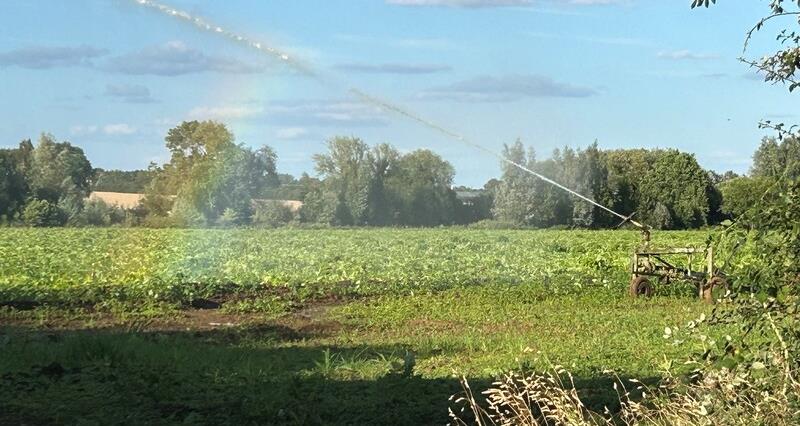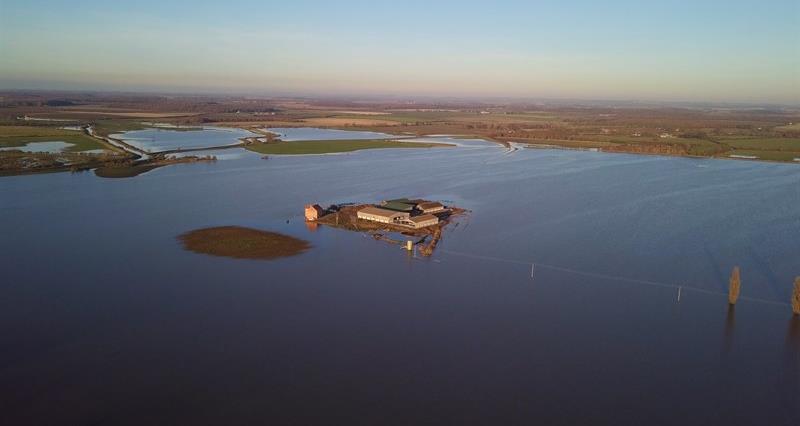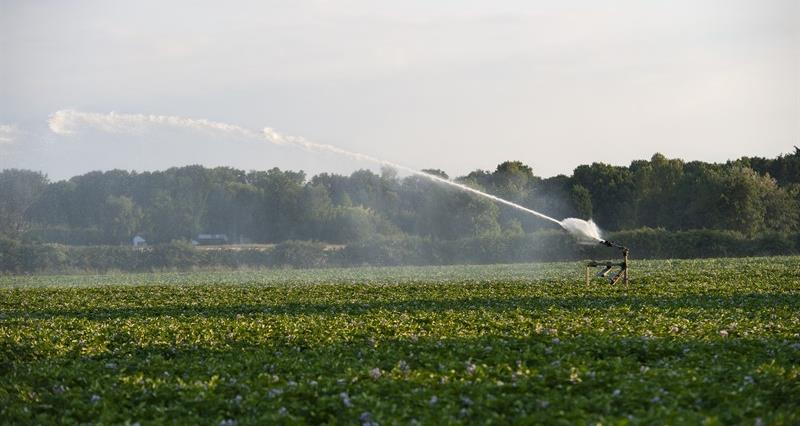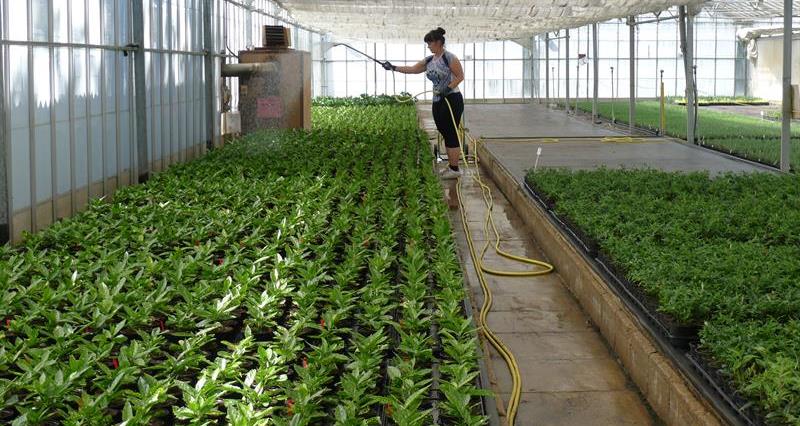
The headline is that current irrigation prospects are good for this spring across most of England with sufficient re-fill of reservoirs and river flows responding well to the above average rainfall over the winter period to date. Groundwater levels have also responded and recovered to normal or above levels for the time of year across all aquifers except for those in north-west Norfolk.
Overall rainfall between November 2025 to January 2026 for England was 137% of the long term average and most areas in England received normal to above average rainfall over the 3-month cumulative period.
“The recent weather extremes of the last few years have shown how quickly conditions can shift from severe drought to significant flooding.”
NFU President Tom Bradshaw
Central England received the highest rainfall during this period with 159% of the LTA which was the wettest for that period since 1929/30. While Lincolnshire and Northamptonshire had the wettest November to January period on record.
For the counties in East Anglia (Essex, Norfolk, Suffolk, Cambridgeshire and Bedfordshire) there’s no strong indication that water conditions will differ from what’s typical for this time of year, so the EA’s general advice is that prospects for irrigation are currently moderate but expected to improve to a status of good for all areas for the 2026 season with continued rainfall through March and April.
The EA is keen to point out that, despite the improved water resources situation, impacts from dry conditions can progress quickly as experienced in the spring of 2025.
Weather extremes
Responding to the news, NFU President Tom Bradshaw said that, while this latest prospects report looks positive “more still needs to be done to build genuine resilience in our water resources for food production”.
He added: “The recent weather extremes of the last few years have shown how quickly conditions can shift from severe drought to significant flooding.
“That’s why it’s essential for government to guarantee farmers and growers’ access to water during times of shortages. A good start would be ensuring policy frameworks support on farm water storage, through enabling planning policies and enhancing the Annual Investment Allowance so investment in water infrastructure is properly incentivised.”
Read the irrigation prospects report in full at: Farmingadviceservice.org.uk.
Support measures
There is a range of support available to help with water resilience:
- Short-term options to improve access to water outside of your licence conditions. Further information can be found in the Environment Agency guidance: Water abstraction during prolonged dry weather and drought. The Environment Agency will talk to you about short-term options for improving your access to water outside the conditions of your licence.
- The EA regulatory position statement (RPS300) that covers when abstractors can take water outside of abstraction licence conditions during a flood warning.
- Abstractors can consider trading water rights with other licence holders or sharing water to improve access to water supplies. See guidance on trading water abstraction rights which includes links to Help for Water Rights Trading Data and a water rights trading map.
- The EA recommends signing up to its online service. This will allow abstractors to submit abstraction returns and view their licence information. Some licence holders will also have access to water abstraction email alerts which will inform them when hands-off flow restrictions are in force or lifted.
To help with longer term resilience, the EA suggests:
- Reviewing plans for longer term investment such as reservoirs for future resilience and securing additional backup storage for livestock where farms are on mains water or boreholes. Farmers should take advantage of future funding rounds from the RPA to help fund this investment.
- Consider applying for future Local Resource Option screening study with growers in your area to increase longer-term water supply resilience.
- Consider joining or establishing WAGs (Water Abstractor Groups) to work together to understand and jointly plan for future water needs. A guidance document is available to farmers to help set up WAGs.
Definitions
Prospects for spray irrigation are defined as ‘good’, ‘moderate’ or ‘poor’.
‘Good’ status means that water levels are average or above average and supplies are expected to be safe. There is always a possibility of minor local controls on abstraction from surface water in late summer if the weather is exceptionally hot and dry.
‘Moderate’ prospects mean that water levels are low and so some controls on surface water abstraction are possible by midsummer if the weather is hot and dry. Controls on abstraction from groundwater are possible in small, sensitive groundwater areas.
‘Poor’ relates to water levels being well below average. Soil moisture deficit is developing early and significant restrictions on abstraction from surface and groundwater are probable.
For the latest information on rainfall see the Environment Agency monthly reports.
The Farming Advisory Service also produces regular reports on irrigation prospects. To read more on drought and water availability from the Environment Agency, visit: GOV.UK | Drought and water availability.
You can also stay up to date by visiting the NFU’s dry weather page.