The government has published its response to the FPR (Farming Profitability Review) 2025, setting out how it intends to support the long-term viability of farm businesses in England. The FPR and the government’s response have strongly influenced the government’s Farming Roadmap 2050.
The review, led by Baroness Batters, outlined 57 recommendations on how the government and industry can work together to boost growth for farming businesses.
The NFU has been clear that the review presented an opportunity for reform in areas that underpin national food security and meet our domestic environmental targets, while providing stability and restoring farmer confidence currently at an all-time low.
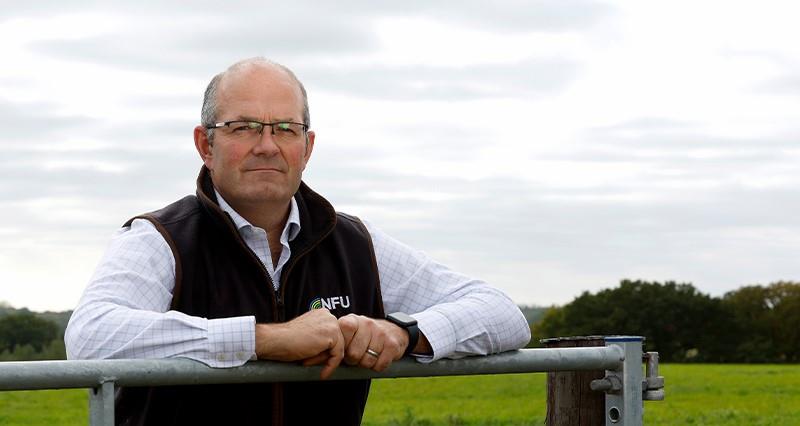
NFU President Tom Bradshaw said it was “good to see that the government has picked up many of the recommendations, which were also reflected in the NFU’s submission,” and said the NFU will continue to work with the government to deliver on them.
Tom also thanked Baroness Batters for her work on the Profitability Review: “She is right to outline the need for closer collaboration between farming and government, and for greater clarity and certainty for farm businesses looking to grow and invest.”
Read the government's response at: GOV.UK | Our response to the Farming Profitability Review
What's in the response?
The government’s approach is structured around seven key themes reflecting a whole-supply-chain view of profitability:
- Growing markets and embedding partnerships
- Establishing fairer supply chains
- Removing barriers and enabling infrastructure
- Tax incentives and grant schemes
- Developing people and skills
- Research, innovation and technical support
- Valuing nature and environmental outcomes
Across these themes, the government has committed to a wide-ranging set of actions. These include:
- Utilising the newly created Farming and Food Partnership Board to develop Sector Growth Plans
- expanding export opportunities
- improving public procurement
- progressing fair dealing regulations and supply chain monitoring
- accelerating planning reform and simplifying regulation
- modernising grant delivery and maintaining investment through ELM schemes
- launching a new collaboration fund and skills strategy
- increasing investment in agri-tech and innovation
- building frameworks to support private finance for environmental outcomes.