NFU calls for urgent action as drought expands across England
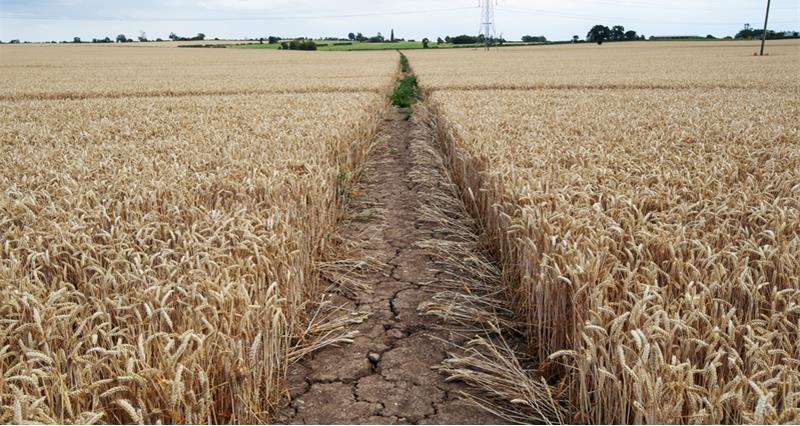
England is facing increasing drought pressure, with drought declared across 71% of the country, following the driest July since records began in 1836.
The NDG (National Drought Group) met on 10 August and heard that the recent extreme weather is having a severe impact on our environment and affecting water supplies and food production.
“To help farmers and growers now, we need to see a risk register for vulnerable businesses and a more responsive abstraction licensing system.”
NFU Deputy President Paul Tompkins
NFU Deputy President Paul Tompkins, who attended the meeting, gave an agriculture update, highlighted our strategic asks on reservoir planning, the ability to abstract water to fill reservoirs and investment incentives such as the Water Management Grant, and made three immediate asks:
- Increased coordination with water companies on resilience measures, particularly for vulnerable agricultural customers, such as livestock businesses.
- Flexibility on abstraction restrictions to support the harvest of crops already in the ground.
- A focus on improving communications between EA and abstractors in key areas to address immediate issues and the recovery from drought going forward.
The NFU has called for urgent action on water resilience in response to the drought and as the threat posed by extreme weather grows.
Drought status detail
On 29 July, seven areas of England entered drought status, including: East Anglia, Hertfordshire and London, Thames Valley, Hampshire and the Isle of Wight, Devon and Cornwall, the West Midlands; and Wessex (covering Dorset, Somerset, Wiltshire and South Gloucestershire).
On 10 August, a further four areas were declared in drought: the East Midlands, Lincolnshire and Northamptonshire, Kent and East Sussex, and Solent and the South Downs.
As a result, no part of England is now deemed in “normal” status. The North East and Yorkshire have joined Cumbria and Lancashire, Greater Manchester, and Merseyside and Cheshire in prolonged dry weather status.
This year there have been 34 days with temperatures exceeding 30°C, including 13 consecutive days in July. England’s three warmest springs on record have now occurred in 2024, 2025 and 2026, with nine of the ten warmest springs since 1884 taking place within the last 20 years.
Dry conditions have continued into summer. In July, England received just 10% of the long-term average rainfall, with parts of the south of the country recording no rain at all, marking the longest dry spell since the mid-1990s.
Reservoir storage for England is currently at 69%, around 11.6% lower than long-term average.
Risk of fire and water scarcity
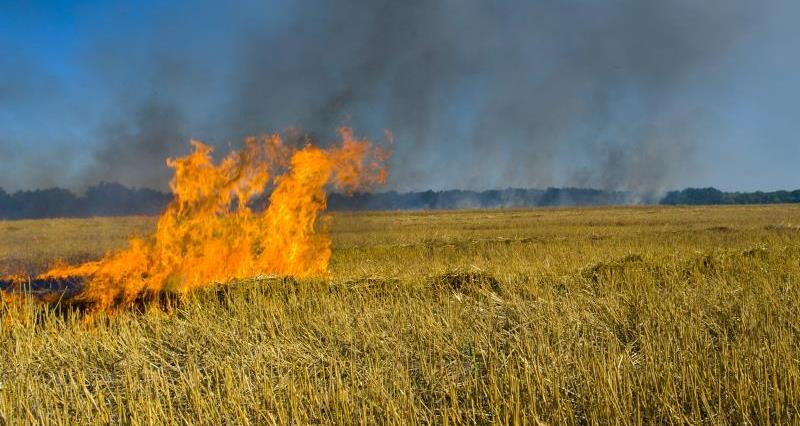
The prolonged hot weather has brought harvest forward – take part in our survey on harvest yields to make a case for a more resilient arable sector – and there is a serious risk of combine and wildfire incidents.
Read: Threat of wildfire on farmland requires urgent policy changes
Most water companies are now moving to drought level 1, meaning increased communications with customers, with those that have introduced temporary use bans having done so because of demand increase by customers. Eight water companies have now implemented temporary use bans for 27 million customers.
In East Anglia, there are now 1,534 irrigation restrictions on farmers, with some 302 abstractors in the process of having to reduce the amount they can take from rivers by 50% to protect the environment due to exceptionally low flows.
On-farm storage reservoirs have also seen a sharp decline, raising concerns about water availability for the remainder of the year.
Extreme weather
NFU Deputy President Paul Tompkins said: “With no meaningful rain forecast in the coming weeks, the situation facing farmers and growers is increasingly concerning.
“Many farmers have completed the earliest harvest on record, with poor yields in key crops reported in some areas of the country.
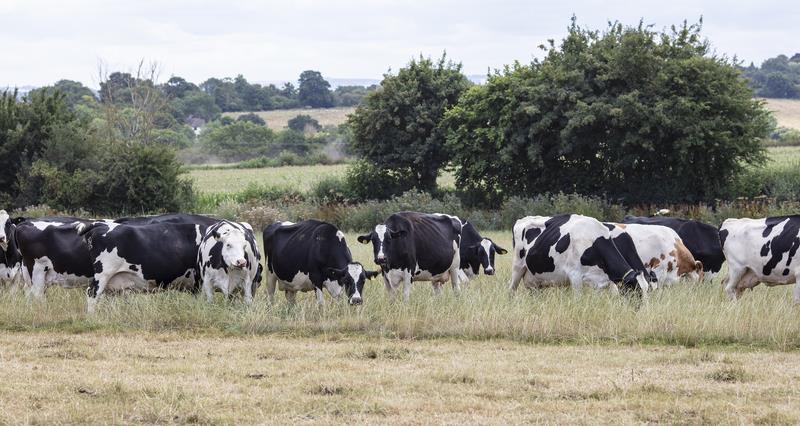
“Livestock and dairy farmers are already using winter feed because grass has stopped growing, while growers are working hard to keep fruit and vegetables watered, but many are struggling to access the water they need.
“To help farmers and growers now, we need to see a risk register for vulnerable businesses and a more responsive abstraction licensing system.
“Longer term, a consistent and positive planning approach to reservoirs, further rounds of the Water Management Grant and targeted investment in climate adaptation will be vital to build farming's resilience to extreme weather.
“Water plays a crucial role in food security and the resilience of our nation.
“By treating water for food as a strategic priority, government can work with farmers to protect crops, livestock businesses, and the UK’s long-term food security.”
‘Drought conditions are worsening’
The Environment Agency continues to warn of the possibility of a ‘flash drought’, which can be brought on by a sudden combination of very low rainfall and hot temperatures.
The Met Office forecast indicates that August is likely to remain dry with rainfall also likely to remain below normal. Dry conditions are probable to persist into September, with a chance of further heatwaves in the coming months. October is more likely to see rainfall, with the possibility of heavier rains than normal due to El Nino.
National Drought Group Chair and Strategic Drought Lead at the Environment Agency Tony Grayling said: “Drought conditions are worsening and will continue to do so until we see significant and sustained rainfall.
“We know the hot and dry weather is taking a real toll on farming and there will be long-lasting impacts on our environment.
“We want everyone to stay safe and hydrated over the summer, but we need everyone’s help in using a little less water to make sure our current water reserves last. Every drop we can save is a drop more for your local farmers, local wildlife and local rivers.”
Advice for farmers
In June, the EA published its latest edition of irrigation prospects for 2026, indicating that the situation is moderate to good, but parts of East Anglia and the West Midlands are projected to be moderate to poor.
Visit our dry weather information page for the latest information and advice.
More information is also available in the Dry weather and drought in England 2026: summary reports | GOV.UK and in the Defra press release: More areas in England declared in drought after record dry July | GOV.UK