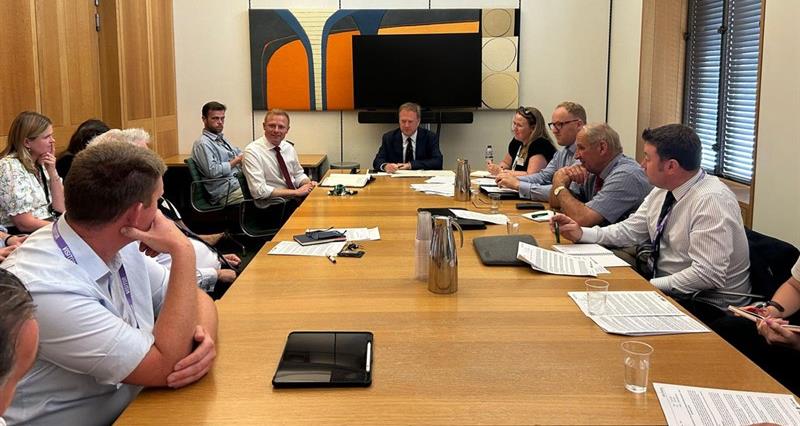
This week, the NFU hosted a roundtable in parliament on support for small and medium-sized abattoirs.
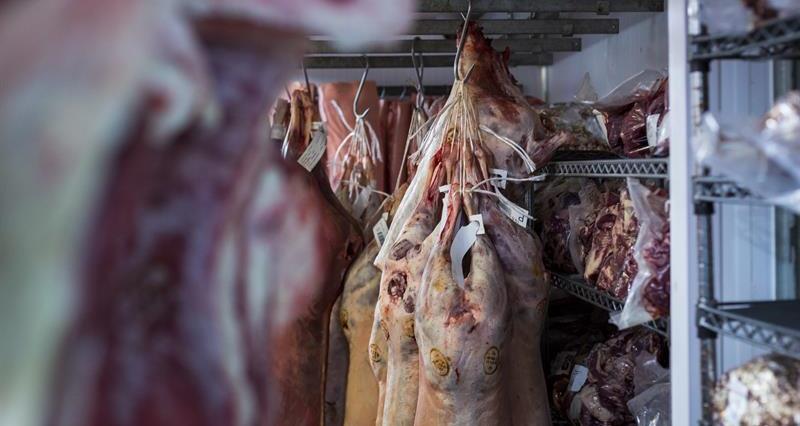
The event brought together cross-party MPs to highlight the challenges facing small and medium-sized abattoirs and the alarming rate of closures we have seen across the country.
MPs heard about the vital contributions that small and medium-sized abattoirs make to the rural economy and independent food supply, including their role in the supply chains of pubs, butchers and local markets, as well as the additional services they provide to farmers such as private kills.
The event, sponsored by Gregory Stafford, Conservative MP for Farnham and Bordon, highlighted the need for abattoirs to be supported as critical food system infrastructure, which are interdependent with the livestock sector.
Small and medium-sized abattoirs in particular add value to livestock production and offer farmers alternative markets to the larger, more consolidated processors.
Abattoirs declining at alarming rates
In spite of their essential contributions, the numbers of small and medium-sized abattoirs have been declining rapidly, with total number of abattoirs in the UK falling below 200 in 2024. These closures are often due to the rising cost of official controls, energy and waste disposal bills and the increasing burden of red tape.
Abattoirs face cumulative inspections from multiple regulators and agencies, including the EA, Trading Standards, planning authorities, the RPA and EHOs. MPs heard about the impacts of this complex regulatory environment, including the challenges of inconsistent or contradictory inspections that have been reported by abattoirs.
NFU representatives, including Vice-president Robyn Munt, national Livestock Board Chair David Barton and Vice-chair Clare Wise, and NFU Cymru Livestock Board Chair Robert Lewis set out the NFU’s asks of government to reduce the pressure on small abattoirs and create a more streamlined regulatory system.
NFU challenges FSA charging structures
Recent increases in the FSA’s charging rates for official controls in abattoirs have added to the pressure these businesses face. A High Court challenge led by AIMs, and supported by the NFU, found these charging rates to be unlawful and the breakdown of charges insufficiently transparent.
The NFU has called for an independent review into the Food Standards Agency’s cost structures, workforce management, and use of third-party contractors, to ensure official controls are being delivered efficiently. While the industry accepts official controls, it expects fairness and value for money.
At the roundtable event, MPs heard examples of products being signed off for export (by FSA official control processes) but later rejected at borders, creating significant financial losses and trade disruption.
NFU representatives explained how the structural reform of the FSA and the adoption of technology in abattoirs should be used to improve efficiency and reduce the cost burden on the red meat sector. Key technologies include leveraging AI-driven post-mortem inspections.
The FSA should also help facilitate the sharing of CCIR (Collection and Communication of Inspection Results) from abattoirs to primary producers to support increased productivity on farm.
Serious implications for livestock farmers
NFU Livestock Board Chair David Barton said: “Small and medium-sized abattoirs play a vital role in the UK’s food supply chain, not only for livestock farmers but also in supporting rural economies and the independent hospitality and retail sectors.
“However, in recent years we have seen a worrying trend as many of these abattoirs have closed, often due to rising charging rates for official controls, increasing energy bills and mounting pressures from regulatory checks. This has serious implications for the local livestock farmers who may now face increased travel times and costs.
“It was important to set out these concerns to MPs at the parliamentary roundtable so they can better understand the pressures facing the industry and what can be done to make improvements. This includes having a more streamlined regulatory system and launching an independent review into the FSA’s cost structures, workforce management and use of third-party contractors, to ensure official controls are being delivered efficiently.
“It was really encouraging to hear the support from the parliamentarians and to see them promoting engagement with local MPs on these issues. We will continue to work closely with government to ensure small abattoirs remain in our food supply chain.”
Next steps
The NFU has called for the FSA to work swiftly to rectify its unlawful charging structures. We will continue to work with MPs and with government to ensure that small abattoirs remain in local food systems and independent supply chains.