Defra says the money will be used to reduce carbon emissions, better protect rural communities from the risks of wildfire and flooding, and support local economies.
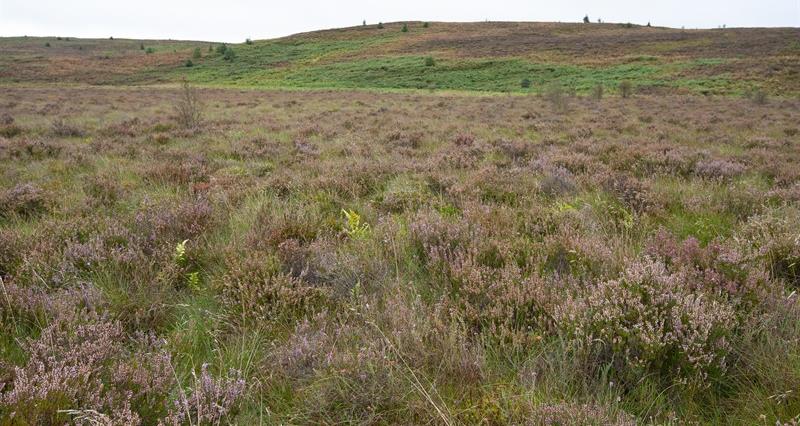
It says that while England’s peat soils store more than half the country’s terrestrial carbon, 80% of them are in a dry and degraded state.
The money will be split between a £36m Lowland Peat Water Implementation Grant, delivered by the Environment Agency to fund projects and infrastructure that raises and manages water tables in lowland peat soils.
A £10m Paludiculture and Wetter Farming Fund, administrated by Natural England, will support research into growing and harvesting new crops on wetter peat soils and developing markets for them, with Defra citing trials that have seen wetland plants and bulrush transformed into building materials and insulation for jackets.
Finally, a £1.15 Peatland Restoration Sector Capacity Grant will pay for training, apprenticeships, equipment, and community engagement on peatland restoration.
Read: GOV.UK | New funding boost to protect England's iconic peatlands
“It is essential that the government recognises that there is no one-size-fits-all approach to peatland management. The best way to improve our natural environment, meet climate targets and maintain food security is through collaboration with those at the heart of delivering these outcomes - farmers.”
NFU Deputy President Paul Tompkins
No one-size-fits-all approach to peatland management
NFU Deputy President Paul Tompkins said the announcement had rightly recognised the importance of productive farming on peatlands.
He welcomed investment in water management, skills and the development of new markets for ‘wetter farming’.
However, he added: “It is crucial that farmers and land managers are at the heart of decisions on lowland peat management, particularly where proposals involve raising water levels.
“Infrastructure that helps manage water levels on lowland peat can deliver multiple benefits, including supporting food production, as sustainable and reliable water supplies are essential for farming businesses.”
Paul Tompkins added: “Farmers are nothing if not resilient. From the post-war policies that encouraged farmers to drain the land and increase agricultural productivity, to the challenges of adapting to climate change today, they have continually adapted to changing circumstances.
“It is therefore essential that the government recognises that there is no one-size-fits-all approach to peatland management. The best way to improve our natural environment, meet climate targets and maintain food security is through collaboration with those at the heart of delivering these outcomes - farmers.”