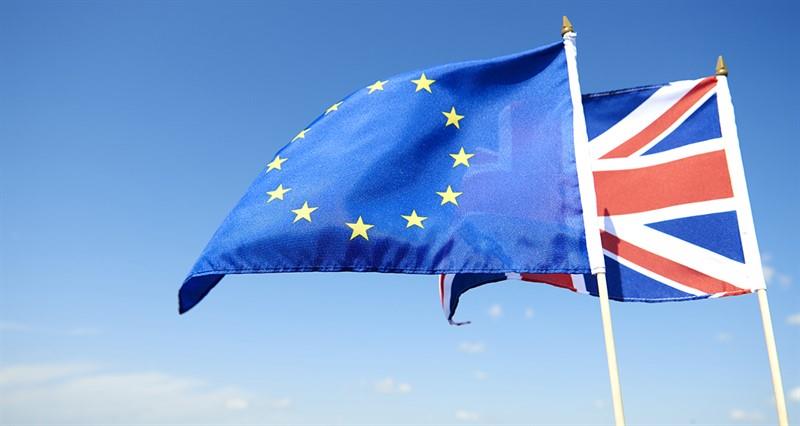
The document outlines a list of regulations that it expects to be in scope of the agreement with the EU. This means that, once an agreement is reached, the UK would align with EU rules on the areas of regulation identified in the document.
These include legislation and regulation affecting plant health, animal health, plant protection products and organic standards. The government has said it is working towards a mid-2027 start date for the new agreement, and is urging agri-food businesses to start preparing now.
The EU rules that Great Britain will be aligning with will apply to all domestic production meaning that, even if exporting is not part of your business, you may also need to adapt your business once the agreement comes into force.
Negotiations continue and the NFU is engaging with government and the European Commission, advocating for a deal that supports a thriving, productive and profitable farming sector in Britain.
Key to achieving this will be ensuring British farmers and growers have enough time to adapt to new rules where there has been divergence since we left the EU.
The government said that it ‘knows some businesses require longer to adjust to the new arrangements and will work with them to ensure a smooth transition’. It has launched a call for information, seeking views on what businesses need in order to prepare. The NFU will be seeking feedback from its members to help inform its response to the government. Keep an eye on NFUonline and on your weekly Bulletin email for information on how to get involved and learn more.
“We want to hear about any concerns members have over the implementation of the SPS Agreement so we can provide a clear picture to government of what is needed to ensure farmers and growers can benefit from this deal,” said NFU President Tom Bradshaw.
How will this affect my business?
Since the UK withdrew from the European Union, routine border checks have been applied to a range of agri-food products moving between the UK and EU, creating friction at the border and increased costs and risks for exporters. Those depending on importing planting material in particular have faced increased bureaucracy, costs and unacceptable delays.
The government has confirmed that it expects costs such as those for Export Health Certificates (£200 per consignment), Phytosanitary Certificates (£25), Organic Certificates of Inspection (£35), as well as sampling costs, and inspection and identity check fees to be removed as a result of the agreement.
“If this agreement is to work for the British farming sector, it cannot be bound by an impractical deadline.”
NFU President Tom Bradshaw
However, there are significant challenges. Dynamic alignment – that is, having a single rule book on agreed areas of law in scope of the agreement – will ultimately mean following the EU’s list of approved active substances. In the absence of an adequate transitional measures, this could lead to the loss of authorisation for three new active substances, approved post-Brexit and not yet available in the EU, in addition to 15 active substances, authorised at the point of Brexit, that have since lost their authorisation in the EU.
The NFU has also raised concerns over technological advances gained through the Precision Breeding Act in England being lost as part of a future agreement, as in the EU these technologies continue to be covered by GMO (genetically modified organism) rules.
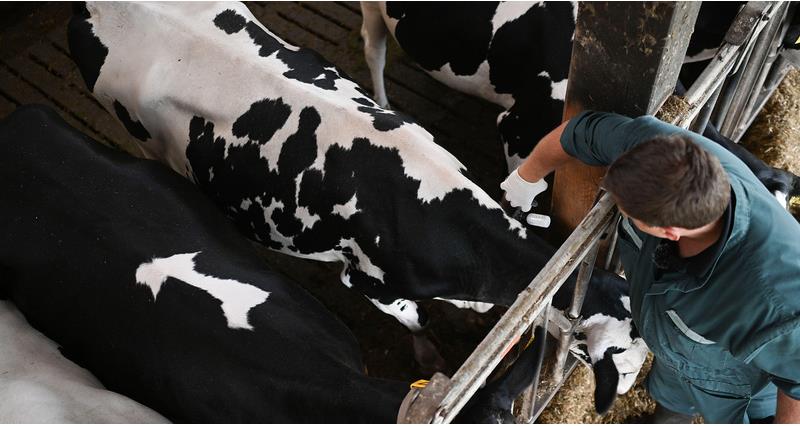
Aligning with the EU animal health framework may also mean we lose the ability to vaccinate cattle against bTB, as well as facing restrictions on the use of antimicrobials in line with the EU’s updated veterinary medicines regulations, which could act as a serious barrier to animal health and welfare.
Read our explainers on the key areas set to be affected:
NFU asks
The NFU is therefore asking for:
- A transitional arrangement for rules on organic practices, plant protection and biocidal products so British farmers don’t face a cliff-edge scenario.
- UK industry progress in combatting anti-microbial resistance and precision breeding technology to be safeguarded, supporting the UK’s drive towards sustainable, resilient and innovative food production.
- The government to preserve GB’s ability to continue to develop and potentially deploy a cattle vaccine for bovine TB.
NFU President Tom Bradshaw emphasised that the need for a sufficient transition period is “the main thing we’re hearing from our members”.
He added: “Farming is a long-term business – many farmers are making production decisions now that will impact food sold beyond mid-2027.
“The government has said it is considering transitional arrangements for some sectors. If this Agreement is to work for the British farming sector, it cannot be bound by an impractical deadline which will only increase the cost of producing food, both for the domestic and EU market. We need government to take a pragmatic approach and give farmers the time needed to adjust.”
Next steps
The government has said it is aiming to finalise negotiations later this year. Businesses should continue to follow current trading requirements until the new agreement takes affect, including those under the Windsor Framework.
NFU President Tom Bradshaw said “it’s important Defra takes time to explain to farmers and growers how alignment with the EU rules could affect their businesses”.
Defra Secretary Emma Reynolds said that the deal would reduce delays and unnecessary paperwork, helping “keep shelves stocked, protect jobs and put downward pressure on food price inflation for families across the country”.
“British businesses deserve better and we will work hand-in-hand with them to ensure this deal is a success,” she said.