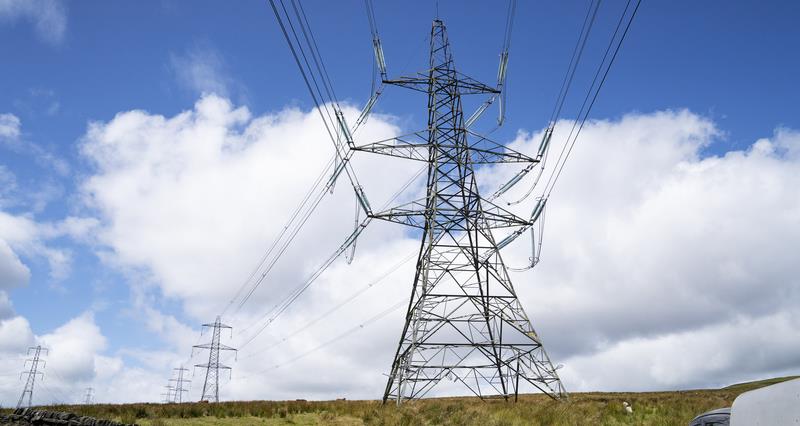
Increases to Transmission Network Use of System rates – essentially the ‘non-commodity’ costs for infrastructure – kick in from April, with some of the rates due to double.
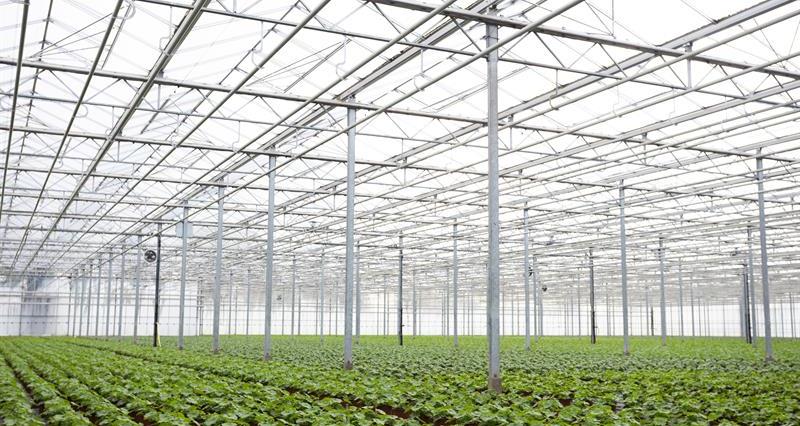
The move could add hundreds of millions of pounds of additional costs to the farming sector overall – and some of the largest glasshouse operators are estimated to be facing additions to their annual bills upwards of £1 million.
The NFU and its members have been very clear that the forthcoming changes to standing charges will have a significant damaging effective on UK production.
These points have been raised in multiple meetings with government ministers, and the NFU along with a number of crop associations have provided a significant amount of evidence to make the case for support, often responding to short notice requests. This also now sits against the backdrop of higher energy and fuel costs as a result of the ongoing conflict in Iran which is adding further pressures.
“We appreciate Defra working with us on mitigations, but time is running out. Government must act now.”
NFU Horticulture and Potatoes Board Chair Martin Emmett
Speaking on the impacts to horticulture members, NFU Horticulture and Potatoes Board Chair Martin Emmett said: “The NFU has been clear that looming standing charge increases will seriously harm UK production, especially with energy and fuel costs already rising due to the conflict in Iran.
“Despite repeated evidence and warnings given, government has not committed to supporting energy intensive horticulture, meaning growers will face the full impact, risking a repeat of the 2022/23 production cuts which in part resulted in empty supermarket shelves.
“Government has reaffirmed its intention to work with industry on a horticulture growth plan at the first Farming and Food Partnership Board meeting, yet this policy will actively undermine growth.
“We appreciate Defra working with us on mitigations, but time is running out. Government must act now.”
NFU campaign continues
The NFU has been strongly arguing the industry’s case to government. Last month, Director General Terry Jones wrote to Minister for Industry Chris McDonald to outline UK farming’s concerns and the potential negative impact on national food production. It was followed by an NFU meeting with the Minister alongside parallel meetings with the Farming Minister.
The NFU highlighted that NFU Energy has a wealth of evidence to back up why some subsectors, especially in horticulture would meet the criteria of an energy-intensive industry and be eligible for schemes such as the Network Charging Compensation Scheme. It reiterated the call for the government to add a fifth digit to SIC (Standard Industrial Classification) codes and therefore the opportunity to break them down into sub-classes of farming sectors.
The NFU has also written to energy regulator Ofgem, outlining its position that the Targeted Charging Review – an initiative aimed at modernising the electricity network and ensuring fair allocation of charges – be updated with a number of key elements.
The NFU wants to see standing charges based on an annualised average, rather than peak demand; reform of the banding to better reflect customer usage patterns; the removal of standing charges from fixed contracts; and enhanced support for renewables, among other things.
The NFU and NFU Energy also ran webinars for members before Christmas and in early February to highlight the issue and discuss its implications.