What are Sanitary and Phytosanitary standards?
SPS (Sanitary and Phytosanitary) standards are the rules that countries maintain to ensure that the food produced in, and imported into, that country is safe for consumers, and to prevent the spread of pests or diseases among animals and plants.
Why is the UK negotiating an SPS agreement with the EU?
Since its withdrawal from the European Union, the UK Government, in conjunction with the devolved administrations, has operated an independent SPS regime in Great Britain, with Northern Ireland governed by the terms of the Windsor Framework. This has resulted in routine border checks being applied to a range of agri-food products moving between the UK and the EU. These checks create friction in the trade of these products and have increased costs and risks for exporters.
The government wishes to remove these routine border checks on food and agricultural products, and the associated costs for businesses, through a Sanitary and Phytosanitary Agreement, which dynamically aligns Great Britain with EU regulations for the legislative areas in scope of the agreement.
What is dynamic alignment?
On 19 May 2025, a Common Understanding document was agreed by the EU and UK in London. It set out the parties’ intentions to agree a Common Sanitary and Phytosanitary Area to reduce agri-food trade barriers through the principle of dynamic alignment with EU rules.
Dynamic alignment means having a single rule book, in this agreement, the EU rulebook, for the agreed areas of law in scope of the agreement.
In practice, this means the UK has agreed, in principle, to dynamically align with the EU (ie, apply EU rules domestically in Great Britain) on sanitary, phytosanitary, food safety, and general consumer protection rules applicable to the production, distribution and consumption of agri-food products, the regulation of live animals and pesticides, the rules on organics as well as marketing standards relevant to specific sectors or products.
In return for dynamic alignment to EU rules, both parties will remove the need for export health certificates, phytosanitary certificates, certificates of inspection for organics, specific marketing standards certification requirements, border checks and the resumption of trade in banned British products (eg, seed potatoes, sausages, burgers) and live animal trade (for breeding).
Prior to the Common Understanding, the NFU lobbied the UK Government to pursue an SPS agreement with the EU, premised upon mutual equivalence of regulations. This would have recognised the UK’s unique starting point of largely continued alignment with EU regulations and minimised trade frictions whilst retaining domestic legislative autonomy.
The Common Understanding also states that the SPS agreement should include a short list of limited exceptions to dynamic alignment. Whilst the list of exceptions is subject to negotiation between the UK and the EU, the Common Understanding sets out a series of requirements that any exception must meet to be agreed. The NFU is urging the government to pursue a number of exceptions, such as for precision breeding, relevant to agricultural production in Great Britain, and to work with industry stakeholders to demonstrate that the required assurances can be met.
How will this affect me and what is the NFU doing?
The SPS Agreement will have wide-ranging and potentially significant impacts upon British farmers and growers.
The NFU and BAB continue to engage with the government, the Commission and relevant UK and EU stakeholders to advocate for a deal that works for farmers and growers and supports UK food production.
Read more on our sector-specific work
When will this take effect?
Until negotiations with the EU have concluded and the necessary legislative changes are introduced into UK law, the current arrangements remain in place. Government ministers are targeting 2027 for the implementation of the agreement.
One way to manage dynamic alignment with EU rules would be to agree on transitional arrangements that give businesses and regulators sufficient time to translate what’s been agreed in the negotiations into domestic legislation. These could vary depending on the policy area and its degree of divergence.
For example, when the UK left the EU, a transition period began on the date the UK formally left (31 January 2020) and lasted until 31 December 2020.
The agricultural sectors have been impacted by Brexit differently and since leaving the EU, they have registered various degrees of regulatory divergence from EU rules. This context influences the sectors’ views on the length of any such transition period.
What is the NFU asking for?
The NFU is seeking a phased and sufficient transitional arrangement to minimise potential disruption to the British agricultural sector whilst also not unduly delaying unlocking the potential benefits that certain aspects of the agreement could bring.
Read more about transitional arrangements and implementation of the agreement.
Select the relevant section below to find out how the negotiations will affect your business and the lobbying work that the NFU is doing in this area:
More on the UK-EU SPS negotiations
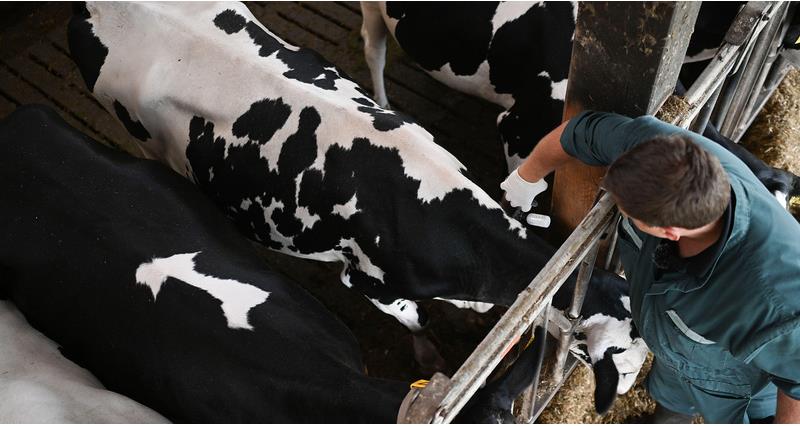
UK-EU SPS negotiations: Animal health
The NFU is aware of two issues which could impact upon wider animal health in Great Britain under dynamic alignment that we are lobbying the government on.
UK-EU SPS negotiations: Influence and transition
The NFU is working to ensure that the voice of its members continues to be heard and reflected in all future legislation impacting agricultural production.
UK-EU SPS negotiations: Organics
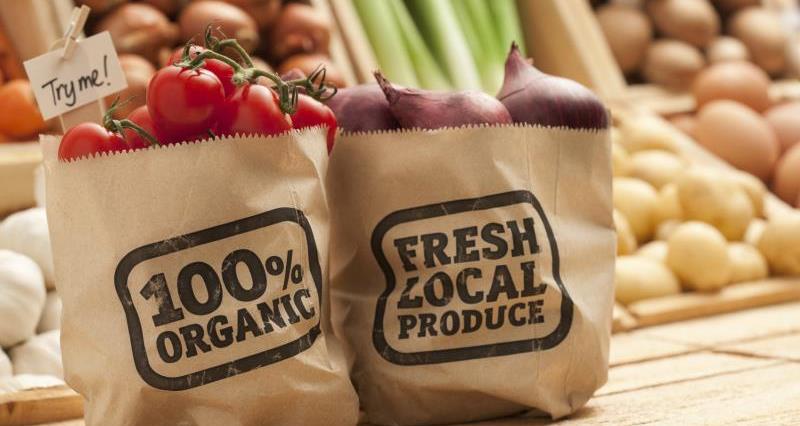
GB will likely be expected to fully harmonise its regulations with the EU’s organic standards, including the adoption of any future amendments or updates.
UK-EU SPS negotiations: Plant health
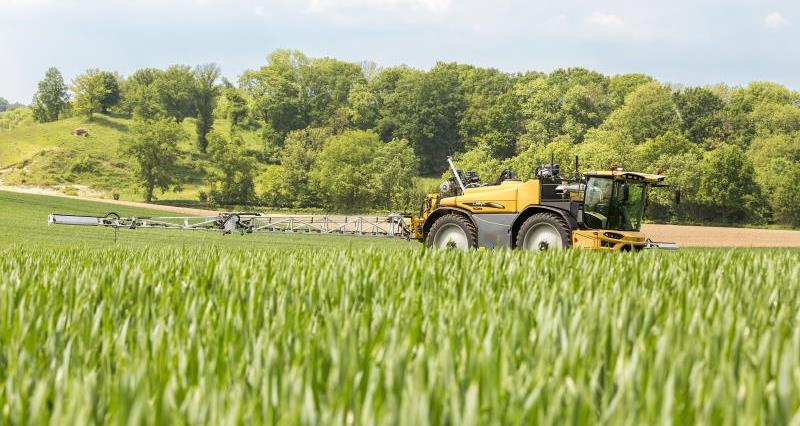
Some GB MRL trading standards have diverged from the EU MRLs. Aligning with the EU would likely have impacts on MRLs, glyphosate use and PPP authorisations.
UK-EU SPS negotiations: Precision breeding
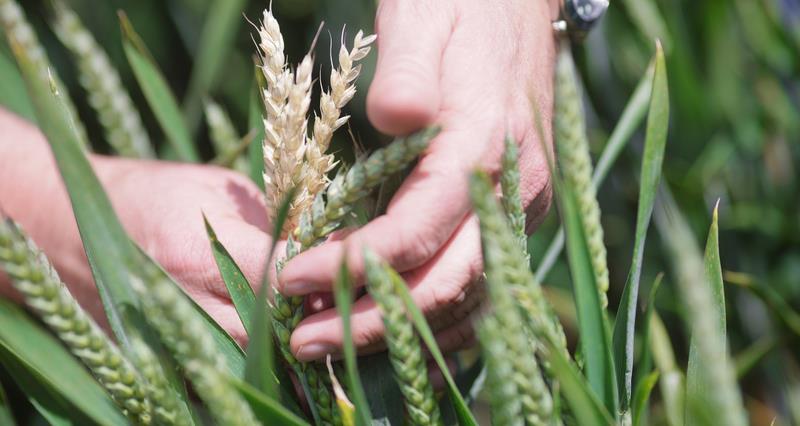
The UK now regulates crops produced using precision breeding differently from the EU, where such plants are still covered by GM rules.
UK-EU SPS negotiations: Timeline of the NFU's work
Keep track of our lobbying work as negotiations between the UK and EU on an SPS (Sanitary and Phytosanitary) agreement progress.