On Monday 22 June, Sir Keir Starmer MP (Lab, Holborn and St Pancras) announced that he intended to resign as prime minister and leader of the Labour Party and set out a timetable for his departure. This has prompted a leadership contest within the Labour Party.
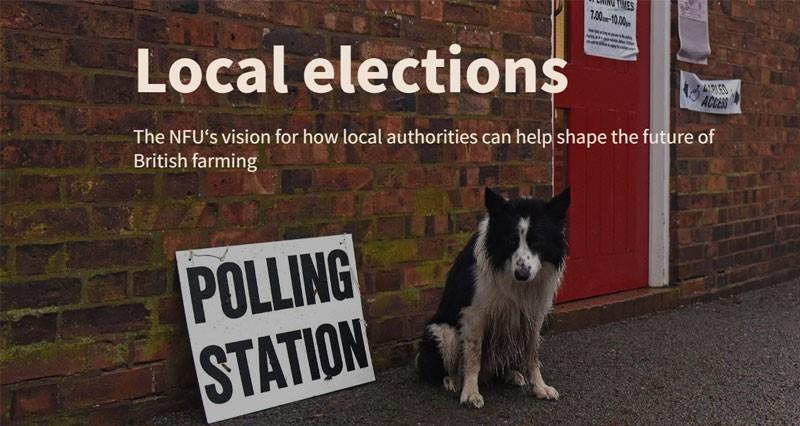
This follows the recent political uncertainty that has troubled the government following a poor set of local election results, which resulted in ministers resigning from their roles and Labour MPs calling for the Prime Minister to set out a timetable to leave office.
To be clear, Sir Keir remains prime minister and will remain so until a new leader of the Labour Party, and therefore prime minister, is chosen. Emma Reynolds remains as Defra secretary.
During his speech, the Prime Minister announced the following timetable, which has now been confirmed by the Labour Party’s ruling body, the National Executive Committee, this afternoon.
Timetable
- On 9 July, nominations will open for leader of the Labour Party from Labour MPs.
- On 13 July, a leadership hustings will take place for Labour MPs.
- On 15 July, Labour MP nominations will close and nominations from affiliate organisations (eg, trade unions) will open.
- On 16 July, nominations will close from affiliate organisations.
- If only one candidate runs for the leadership, the winner will be announced at a special NEC conference on 17 July.
If more than one candidate runs for the leadership:
- On 20 July, CLP (Constituency Labour Party) nominations will open.
- On 31 July, CLP nominations will close.
- On 6 August, Labour member and affiliate supporter ballot opens.
- On 27 August, the member and supporter ballot will close.
- On 29 August, the winner of the contest will be announced at a special NEC conference.
Leadership contest rules
To be nominated as the leader of the Labour Party, a candidate must have the backing of 20% of the PLP (Parliamentary Labour Party). Currently, this would mean 81 MPs backing a candidate.
As well as this, a candidate needs the backing of 5% of the CLPs (Constituency Labour Parties) – which are found in constituencies across the country, or nominations from at least three affiliate organisations (two of which must be trade unions) that represent a minimum of 5% of the affiliated membership. Some of these affiliate organisations will ballot members whilst others will empower their executive councils to make the decision.
What is likely to happen?
After Starmer announced he would resign as prime minister and leader of the Labour Party, Andy Burnham MP (Lab, Makerfield) confirmed he would run for the Labour leadership.
His likely rival in a leadership contest, former Secretary of State for Health and Social Care Wes Streeting MP (Lab, Ilford North), announced in a letter that he would support Burnham’s bid for the leadership.